Thriller Album: Michael Jackson Facts and Legacy
A sourced evergreen guide to Thriller, with facts, context and reference links.
Thriller is an evergreen pop-culture reference topic connected to Michael Jackson's landmark pop album and its cultural footprint. This guide keeps to durable, sourced facts and avoids breaking-news framing.
Quick profile
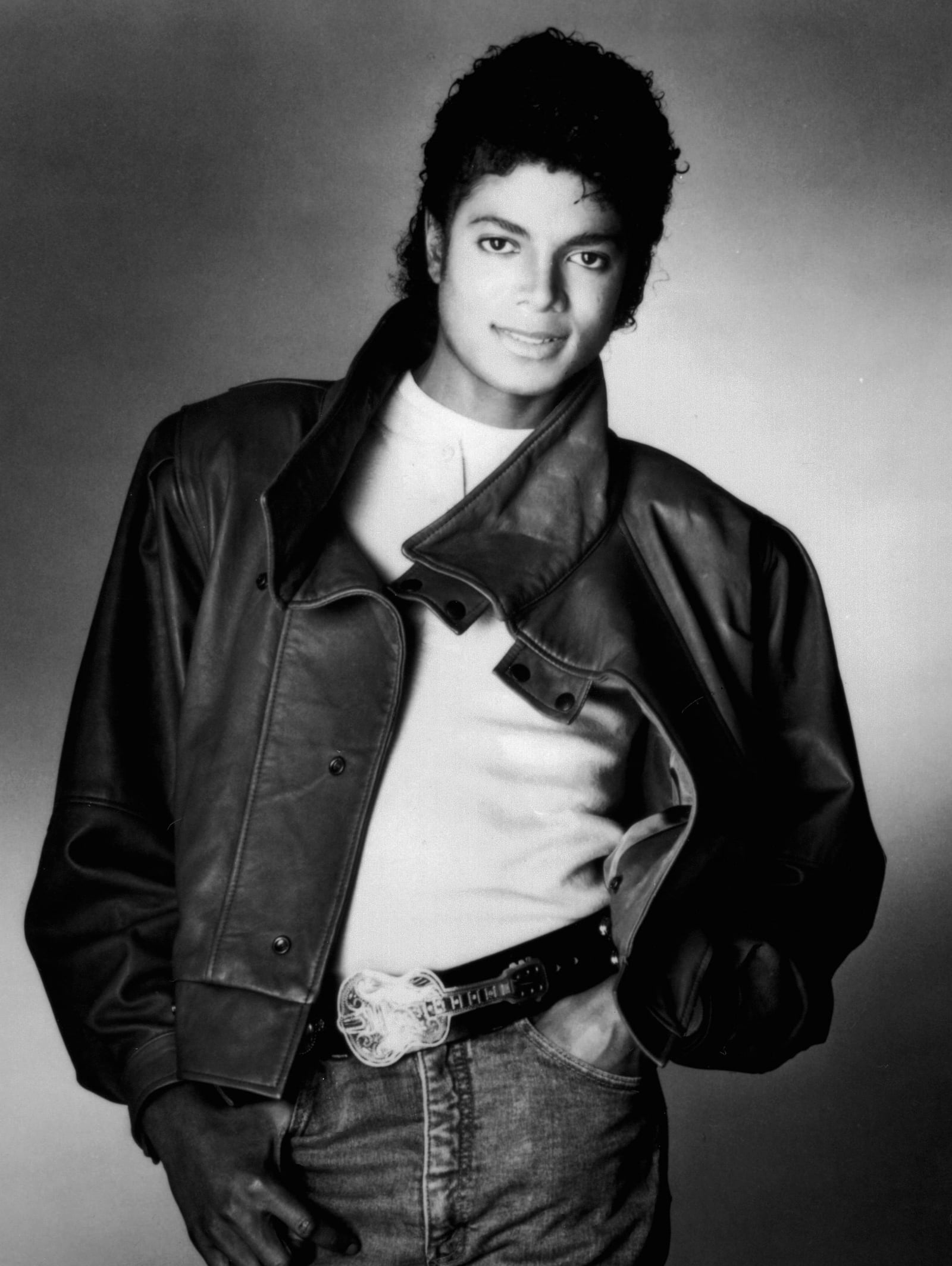
Michael Joseph Jackson (August 29, 1958 – June 25, 2009) was an American singer, songwriter, dancer, and philanthropist. Dubbed the "King of Pop", he is widely regarded as one of the most culturally significant figures of the 20th century. His musical achievements broke American racial barriers and made him a dominant figure worldwide. Through his songs, concerts, and fashion, he proliferated visual performance for artists in popular music, popularizing street dance moves such as the moonwalk, the robot, and the anti-gravity lean. Jackson is often…
Why it matters
Thriller remains useful as a reference topic because it connects a recognizable name, title or event to a wider pop-culture category: albums. The key value for readers is a concise, source-backed orientation rather than a rumor-driven update.
Key facts
- Artist: Michael Jackson
- Released: 1982
- Genre: Pop, funk and R&B
Reference note
This article is written as an evergreen guide. For living people, it avoids private claims and sticks to public, documented biographical or career facts. Net-worth and availability references should be treated as estimates or platform data, not official disclosures.
Frequently asked questions
What is Thriller known for?
Thriller is covered here for Michael Jackson's landmark pop album and its cultural footprint.
Is this Thriller article evergreen?
Yes. It is built around durable reference facts rather than breaking news or rumor.
Where are the facts about Thriller sourced from?
The article uses free reference sources such as Wikipedia, Wikidata-linked pages, TMDB or MusicBrainz where applicable.
Sources
More in Music
Keep reading