Barbarian (1–100 CE): Art, History and Details
Barbarian at the Cleveland Museum of Art: 1–100 CE, bronze. Explore the work's context, creator attribution and collection history.
Celebrity homes, cars, travel and food.
Selections rotate about every minute. Loading more keeps this order.
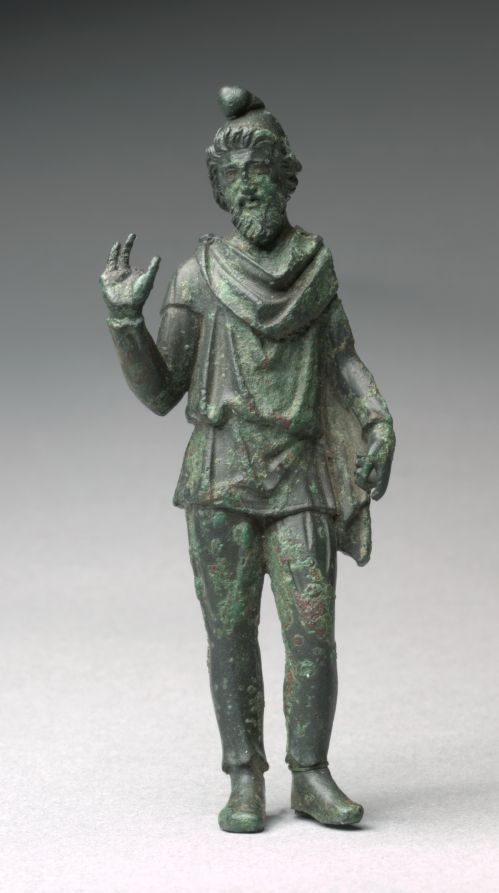
Barbarian at the Cleveland Museum of Art: 1–100 CE, bronze. Explore the work's context, creator attribution and collection history.
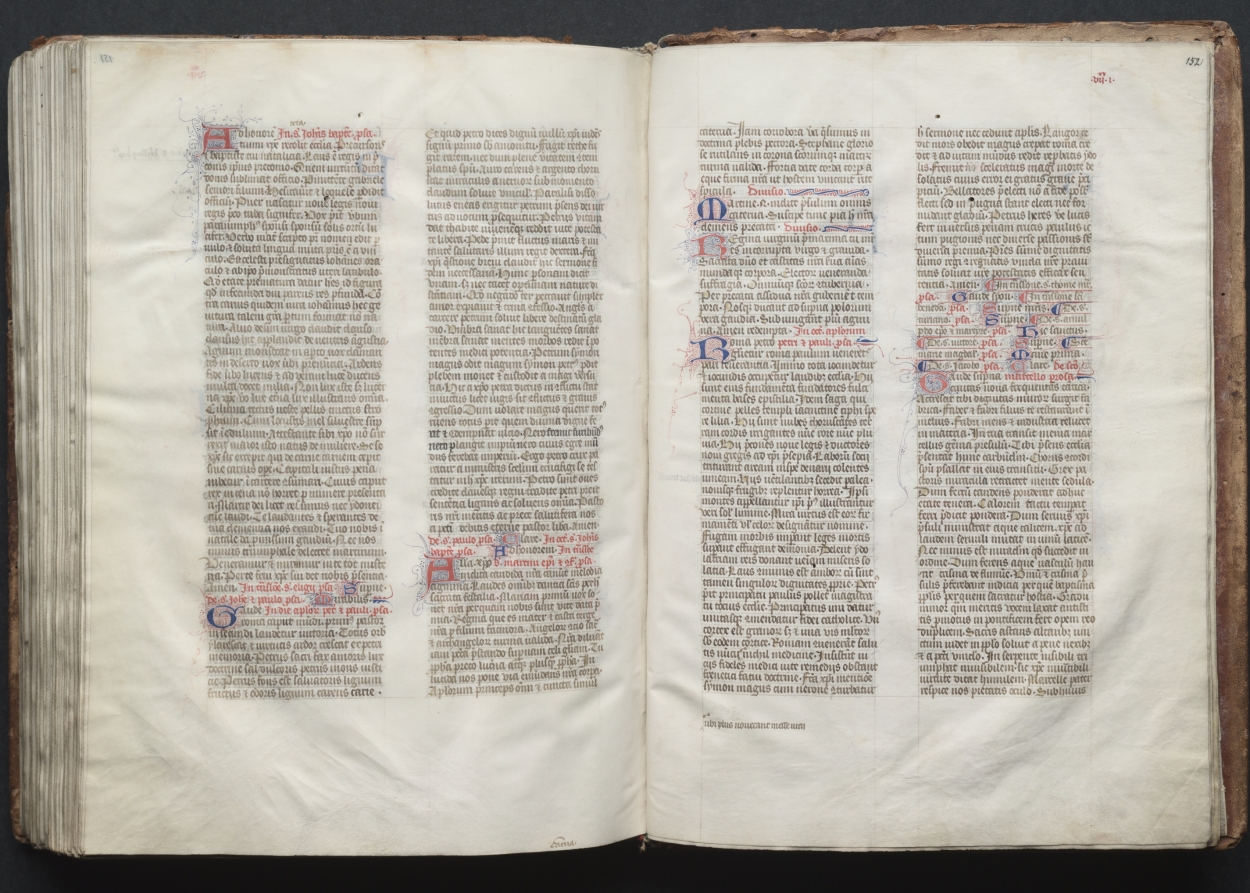
The Gotha Missal: Fol. 152r, Text at the Cleveland Museum of Art: c. 1375, ink, tempera, and gold on vellum; blind-tooled leather binding. Explore the work's context, creator attribution and collection history.

Antoninianus (Coin) Portraying Empress Marcia Otacilia Severa at the Art Institute of Chicago: date, artist attribution, materials and the museum's explanation of the work.

Imperial Framed Miniature of Grand Duchess Olga Nicolaievna at the Cleveland Museum of Art: 1896, jade, gold, rubies, gouache, ivory, glass. Explore the work's context, creator attribution and collection history.

Statuette of Osiris at the Art Institute of Chicago: date, artist attribution, materials and the museum's explanation of the work.
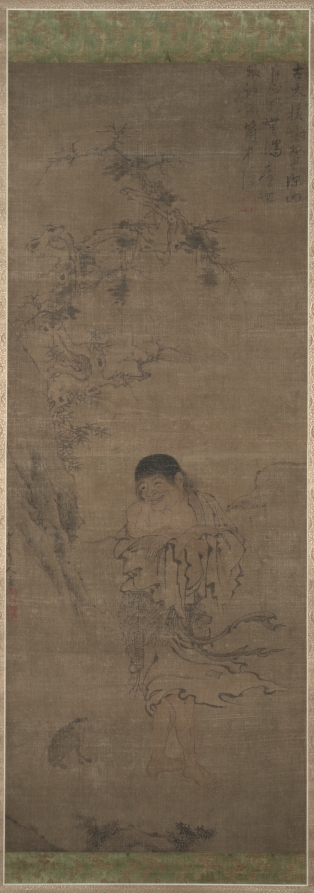
Liu Haichan at the Cleveland Museum of Art: 1300s, Hanging scroll; ink and color on silk. Explore the work's context, creator attribution and collection history.

Hours of Queen Isabella the Catholic, Queen of Spain: Fol. 42v at the Cleveland Museum of Art: c. 1500, ink, tempera, and gold on vellum. Explore the work's context, creator attribution and collection history.
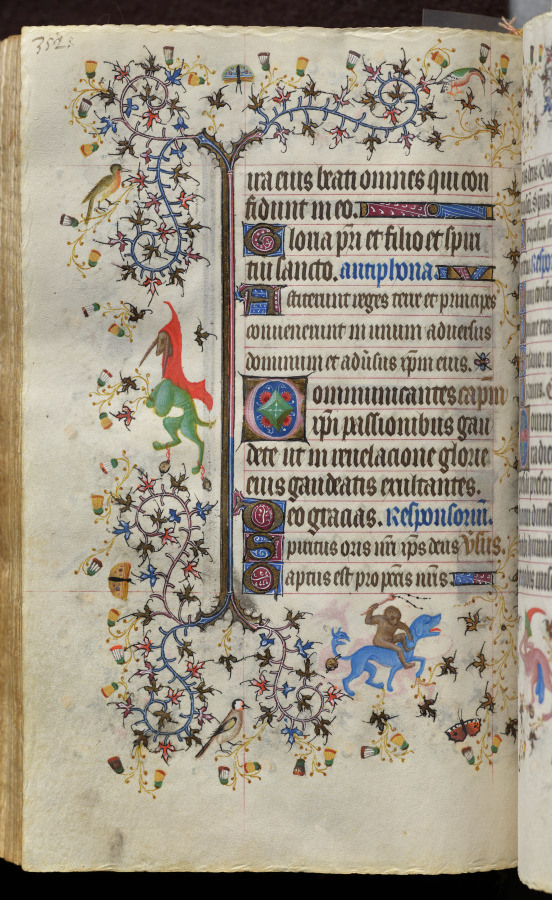
Hours of Charles the Noble, King of Navarre (1361-1425): fol. 171v, Text at the Cleveland Museum of Art: c. 1405, ink, tempera, and gold on vellum. Explore the work's context, creator attribution and collection history.

Aldo Zilli (born 22 Jаnuary 1956) is an Italian celebrity chef specialising in Italian cuisine, based since 1976 in the United Kingdom.
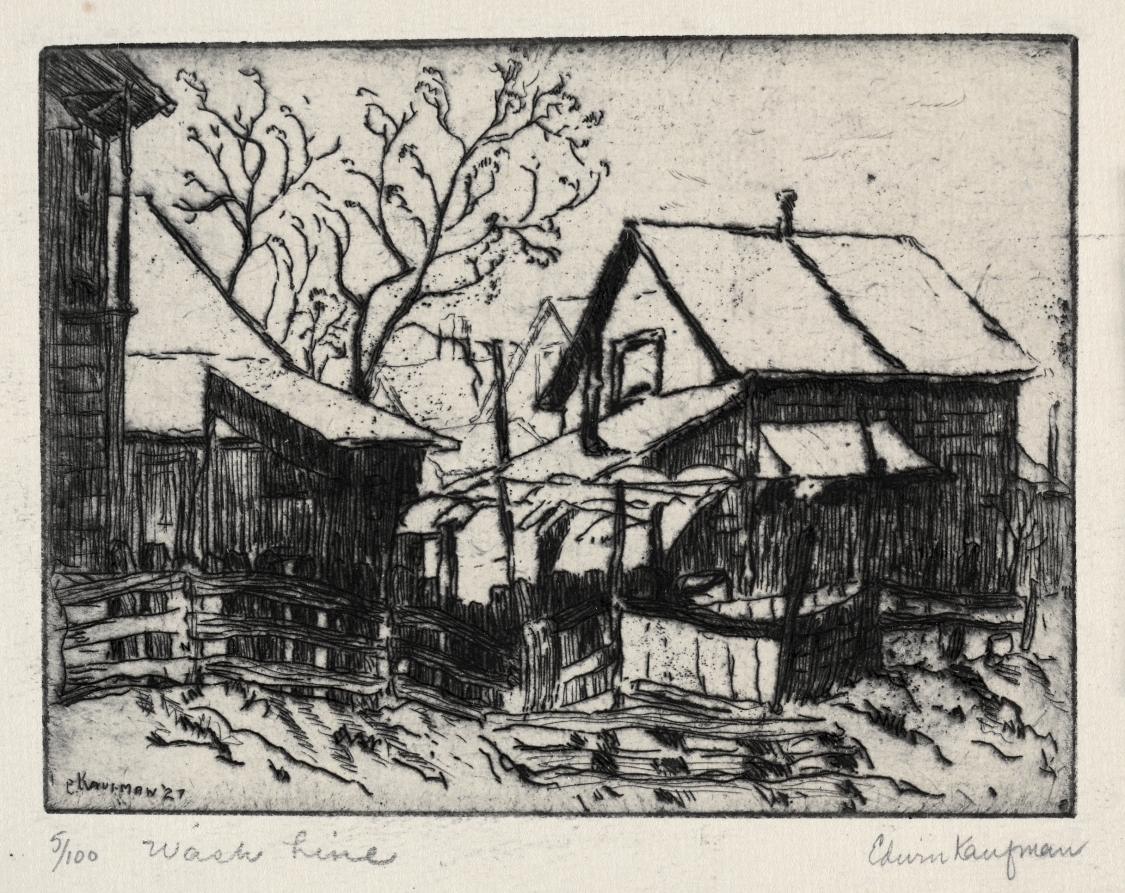
Wash Line at the Cleveland Museum of Art: 1927, etching. Explore the work's context, creator attribution and collection history.

The Gotha Missal: Fol. 128r, Text at the Cleveland Museum of Art: c. 1375, ink, tempera, and gold on vellum; blind-tooled leather binding. Explore the work's context, creator attribution and collection history.
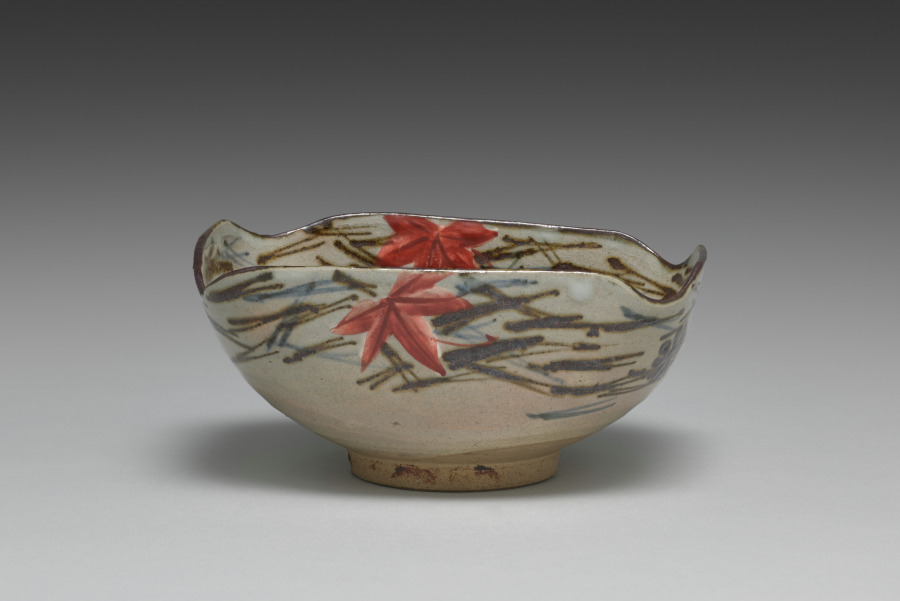
Nesting Dish with Scattered Pine Needles and Maple Leaves at the Cleveland Museum of Art: 1861–78, One of a pair of side dishes; stoneware with underglaze blue and iron oxide, white slip, and overglaze color enamel (Kyoto ware). Explore the
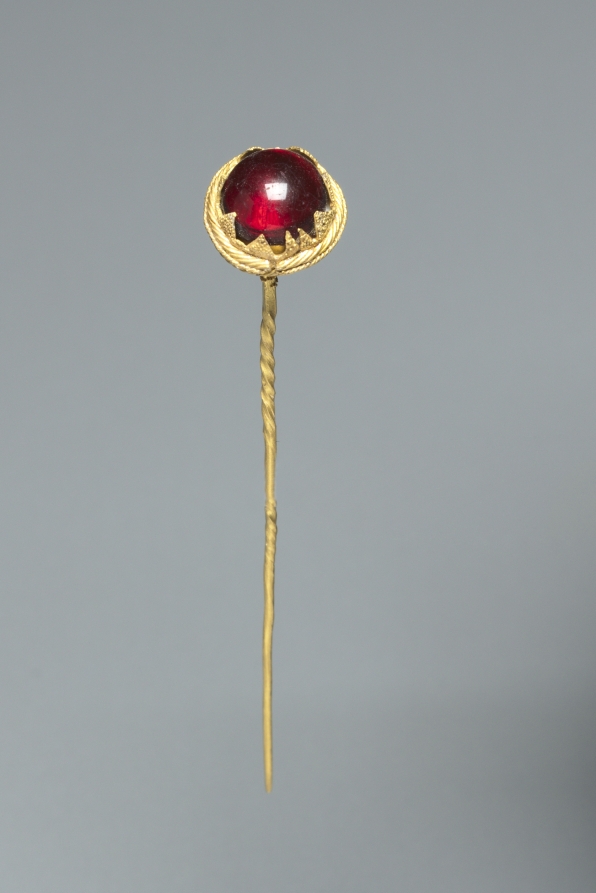
Straight Pin at the Cleveland Museum of Art: c. 500 BCE, gold and glass. Explore the work's context, creator attribution and collection history.
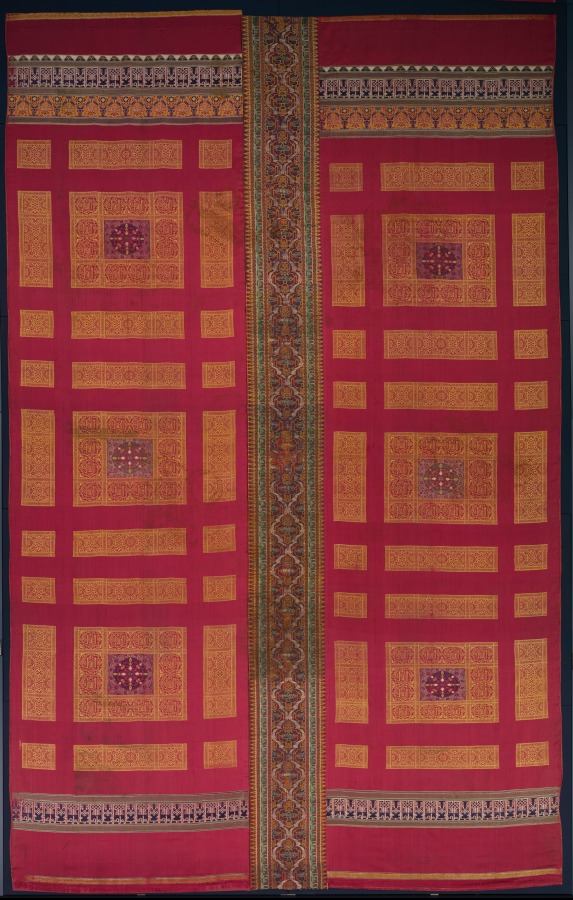
Silk curtain from the Alhambra palace at the Cleveland Museum of Art: 1300s, lampas and taqueté: silk. Explore the work's context, creator attribution and collection history.
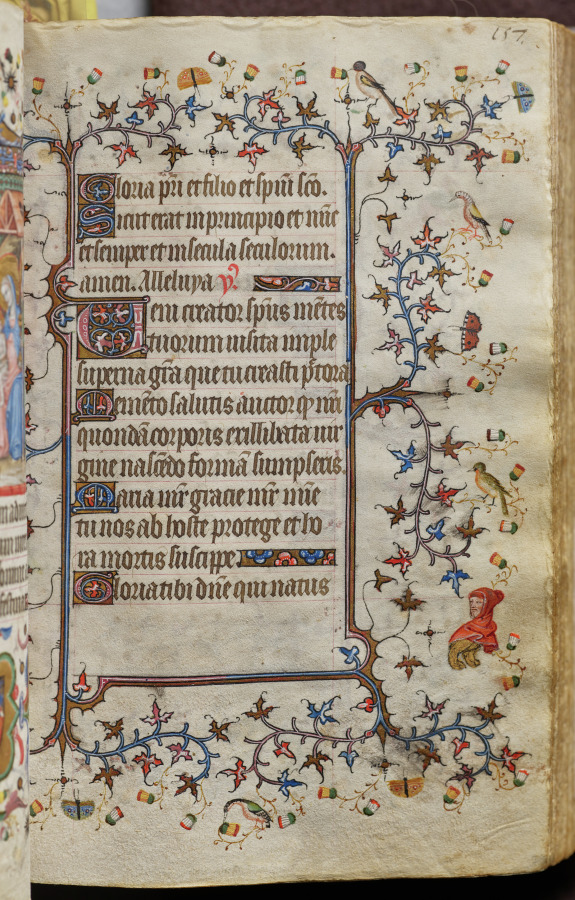
Hours of Charles the Noble, King of Navarre (1361-1425): fol. 79r, Text at the Cleveland Museum of Art: c. 1405, ink, tempera, and gold on vellum. Explore the work's context, creator attribution and collection history.
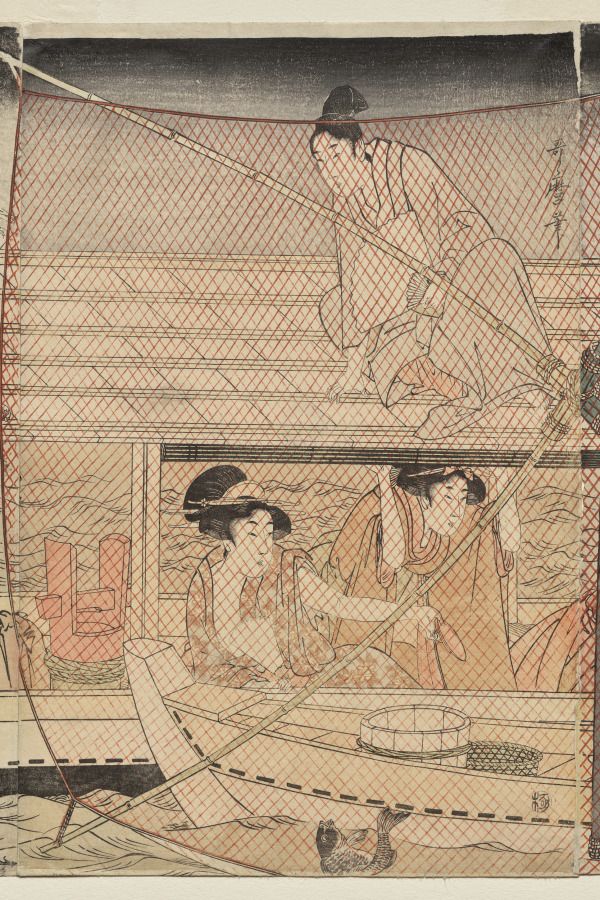
Net Fishing at Night on the Sumida River at the Cleveland Museum of Art: c. 1800, One of a triptych of color woodblock prints. Explore the work's context, creator attribution and collection history.

Altar Cross at the Art Institute of Chicago: date, artist attribution, materials and the museum's explanation of the work.
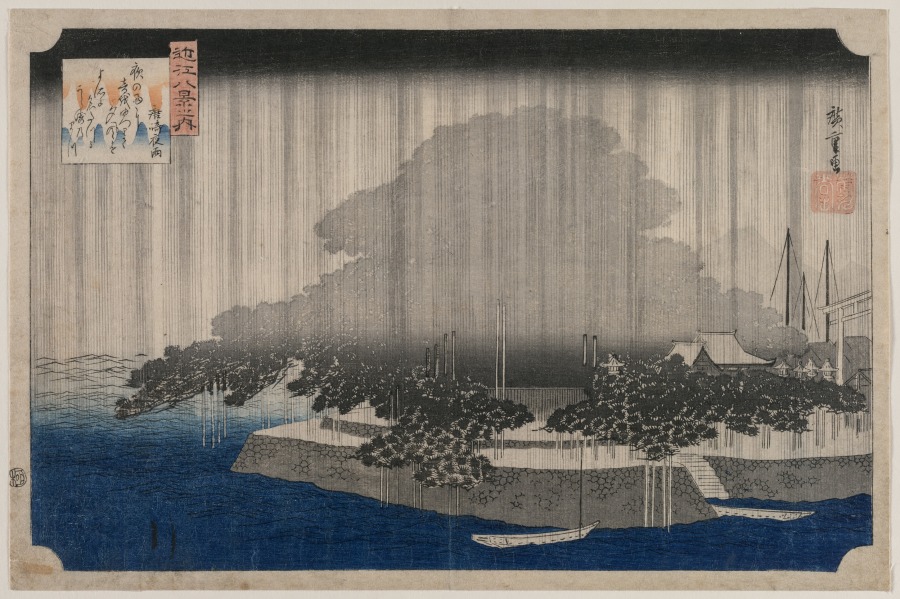
Night Rain at Karasaki, from Eight Views of Ōmi at the Cleveland Museum of Art: c. 1835, color woodblock print. Explore the work's context, creator attribution and collection history.
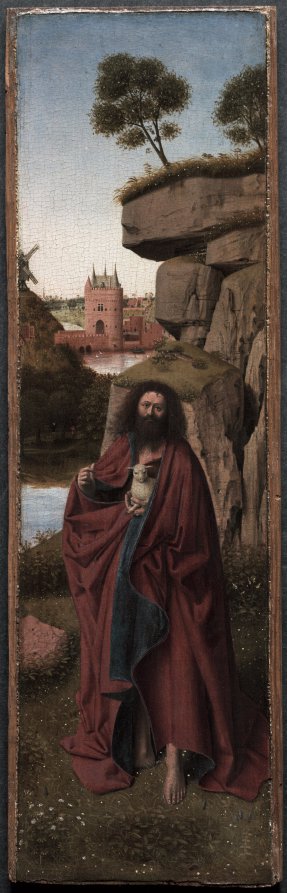
Saint John the Baptist in a Landscape at the Cleveland Museum of Art: c. 1445, oil on panel. Explore the work's context, creator attribution and collection history.
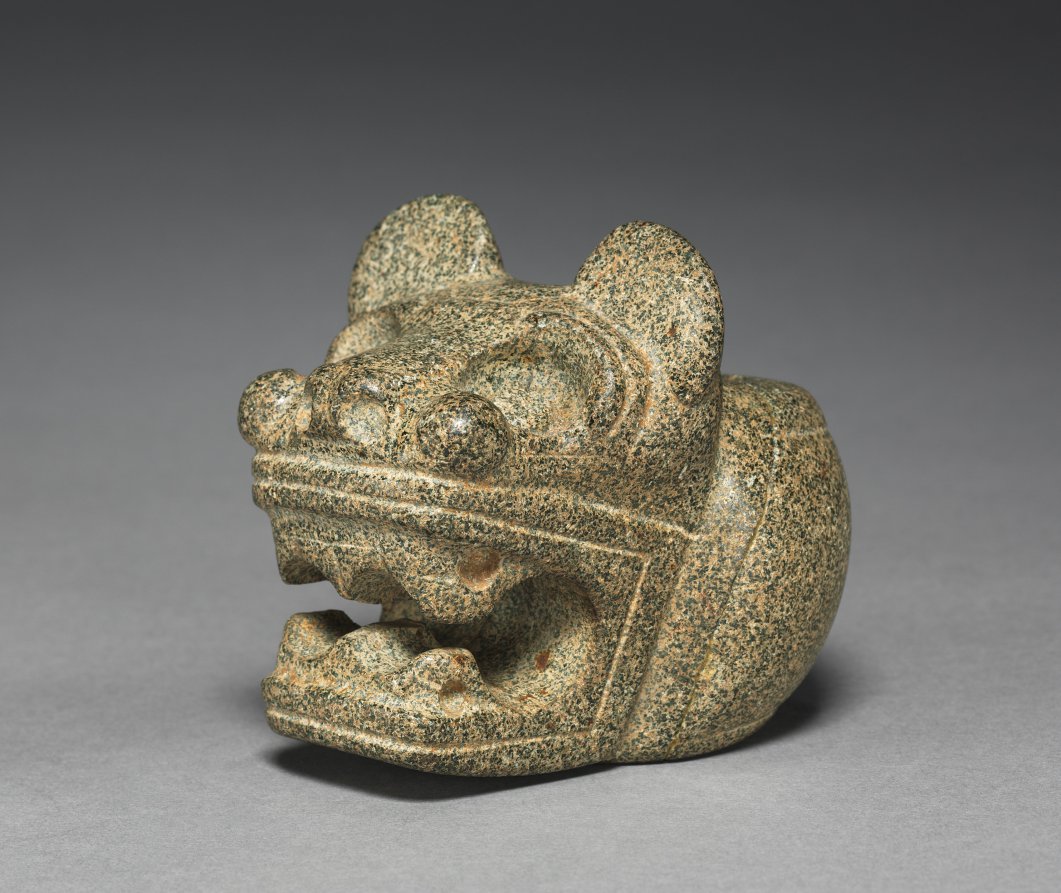
Ceremonial Mace (Club) Head: Feline (Jaguar?) at the Cleveland Museum of Art: c. 300 BCE–600 CE, stone. Explore the work's context, creator attribution and collection history.

Hours of Queen Isabella the Catholic, Queen of Spain: Fol. 27v at the Cleveland Museum of Art: c. 1500, ink, tempera, and gold on vellum. Explore the work's context, creator attribution and collection history.
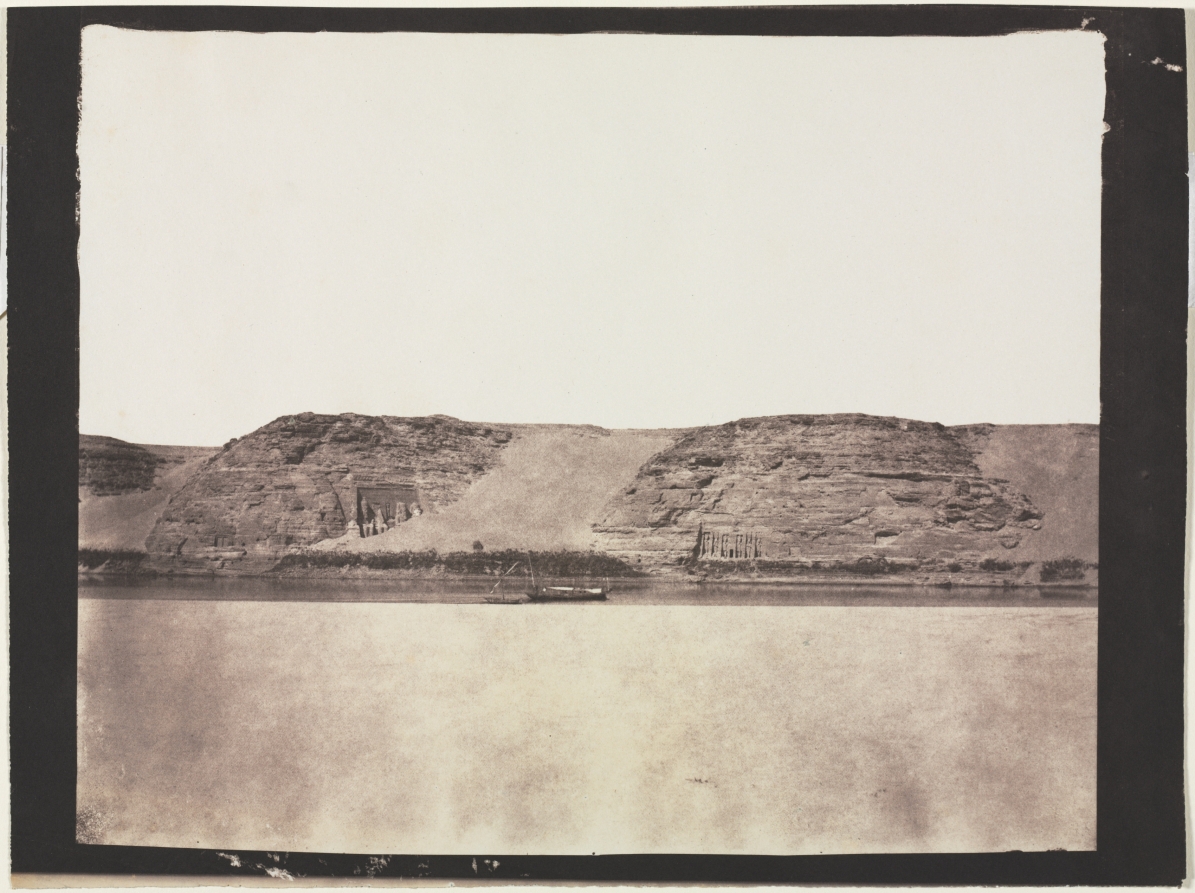
General View of Monuments Carved into Bedrock with Photographer's Dahabieh. Abu Simbel at the Cleveland Museum of Art: 1851–1852, salted paper print from a paper negative. Explore the work's context, creator attribution and collection histo
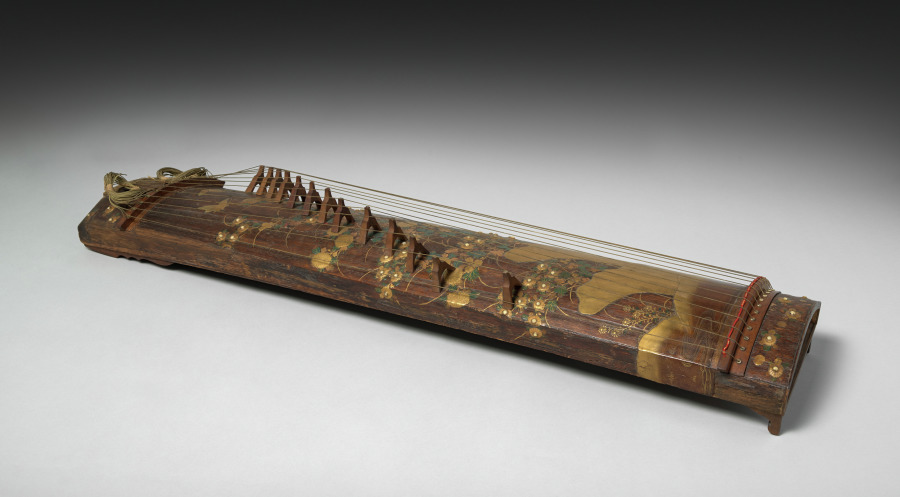
Koto (Zither) at the Cleveland Museum of Art: early to mid-1800s, Wood with colored lacquer, sprinkled gold powder (maki-e), textile, and silk strings. Explore the work's context, creator attribution and collection history.
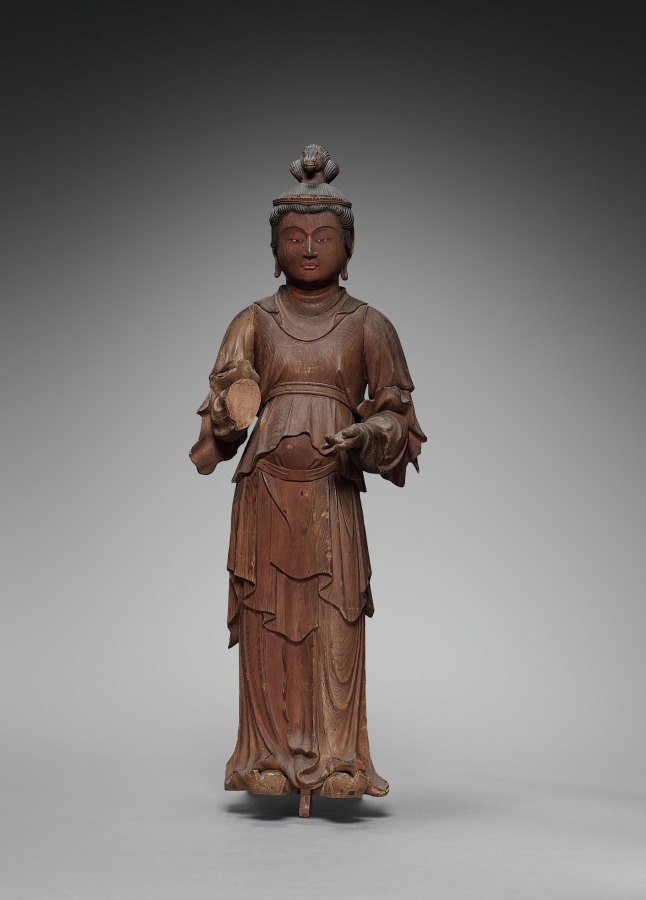
Batō (Horse-Headed) Kannon at the Cleveland Museum of Art: early 1300s, Wood with traces of color and gold. Explore the work's context, creator attribution and collection history.
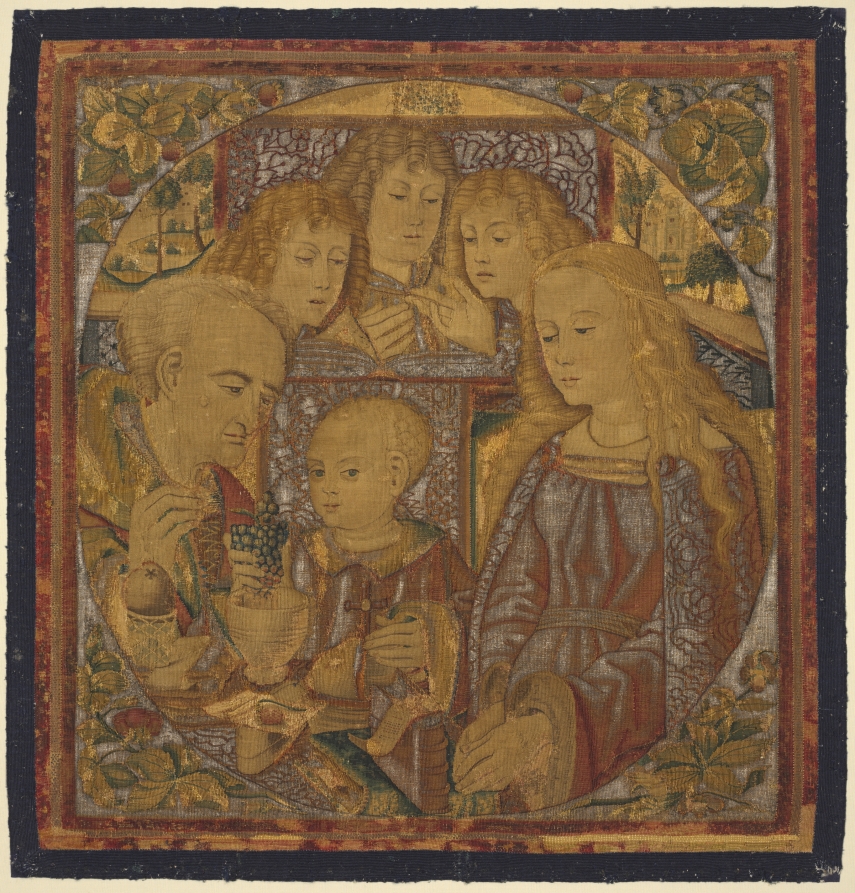
The Mystical Grapes at the Cleveland Museum of Art: c. 1500, Wool, silk, silver thread; tapestry weave. Explore the work's context, creator attribution and collection history.

Indian Basket Lamp at the Cleveland Museum of Art: c. 1902–10, Leaded glass, gilt bronze. Explore the work's context, creator attribution and collection history.

Krishna Vanquishing the Crane-Demon Bakasura at the Cleveland Museum of Art: late 1700s, gum tempera and gold on paper. Explore the work's context, creator attribution and collection history.
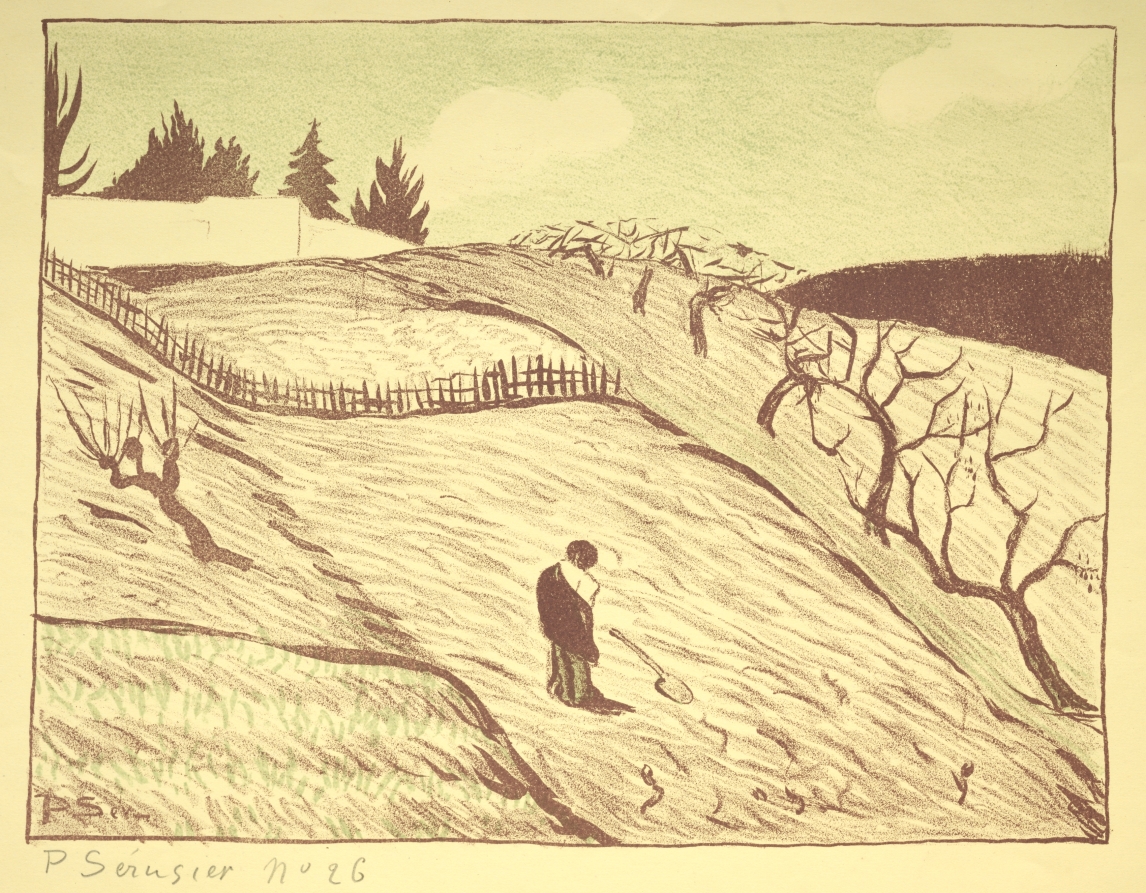
Landscape at the Cleveland Museum of Art: 1893, lithograph printed in green and brown on yellow paper. Explore the work's context, creator attribution and collection history.
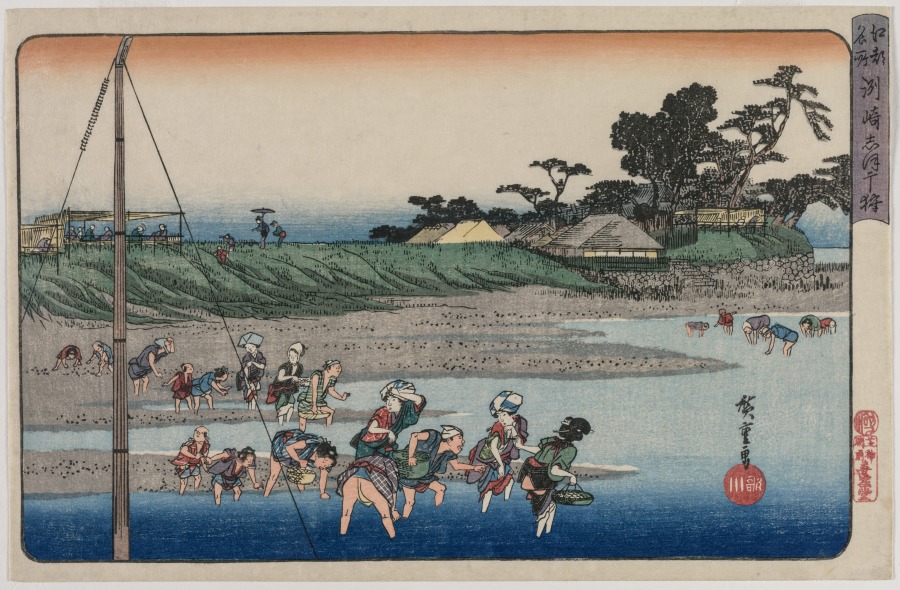
Gathering Shellfish at Low Tide at Susaki, from Famous Places in Edo at the Cleveland Museum of Art: mid-1830s, color woodblock print. Explore the work's context, creator attribution and collection history.
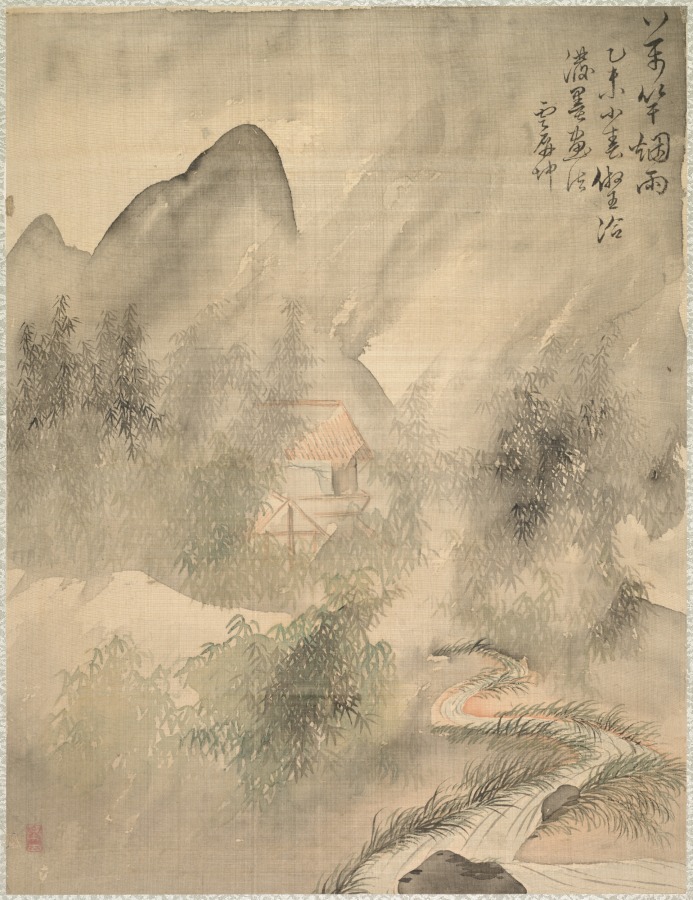
Ten Thousand Bamboos in the Mist and Rain at the Cleveland Museum of Art: 1847, album leaf; ink and color on silk. Explore the work's context, creator attribution and collection history.
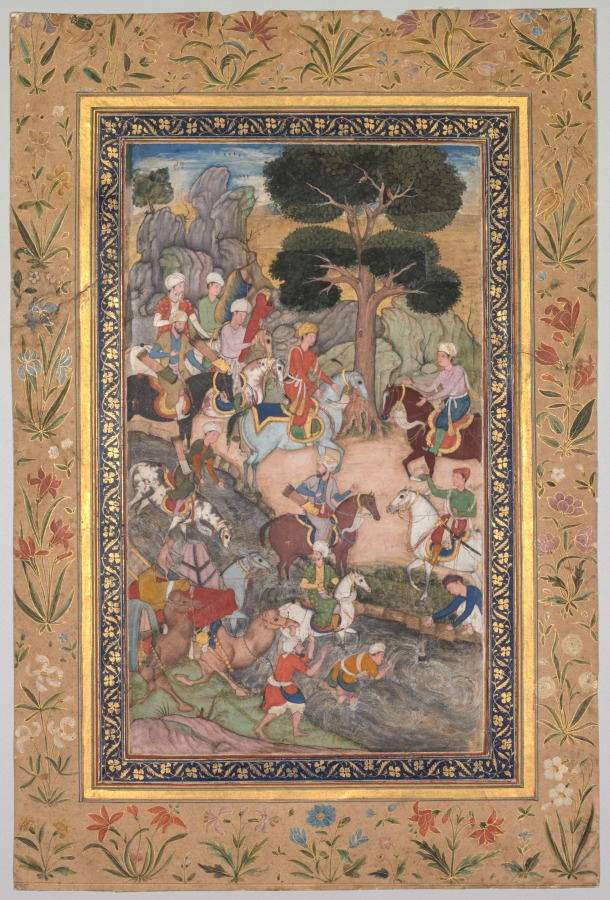
Babur meeting with Sultan Ali Mirza at the Kohik River, from a Babur-nama (Memoirs of Babur) at the Cleveland Museum of Art: c. 1590, Gum tempera and gold on paper. Explore the work's context, creator attribution and collection history.

Shawabty of Ditamenpaankh at the Cleveland Museum of Art: 715–656 BCE, terracotta. Explore the work's context, creator attribution and collection history.

Shell of the Locust from Album of Illustrations for the Tale of Genji at the Cleveland Museum of Art: 1600s, painting in an accordion-style album; ink, light color, and gold on paper. Explore the work's context, creator attribution and coll
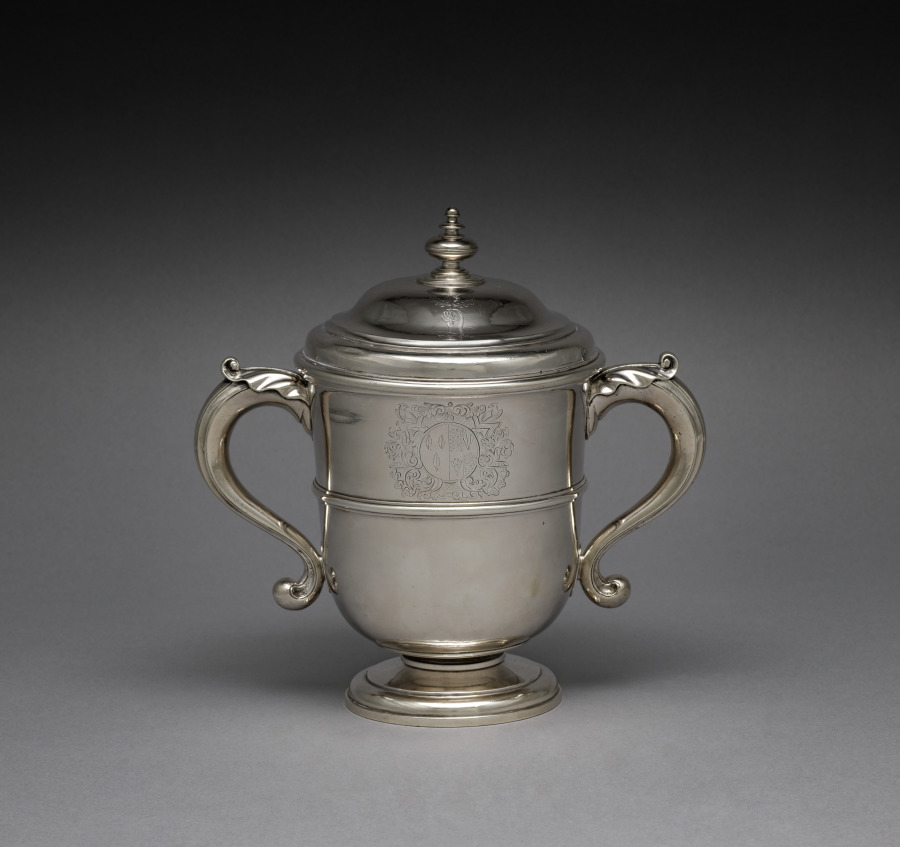
Two-Handled Cup at the Cleveland Museum of Art: 1712, silver. Explore the work's context, creator attribution and collection history.

Seated Figure Wearing a Skin at the Cleveland Museum of Art: 600–1000, earthenware, slip. Explore the work's context, creator attribution and collection history.

Oculate Being Mask at the Cleveland Museum of Art: 300 BCE–1 CE (thermoluminescence date, 835 BC–185 CE), ceramic, resin-based paint. Explore the work's context, creator attribution and collection history.

Hours of Charles the Noble, King of Navarre (1361-1425): fol. 180r, Text at the Cleveland Museum of Art: c. 1405, ink, tempera, and gold on vellum. Explore the work's context, creator attribution and collection history.
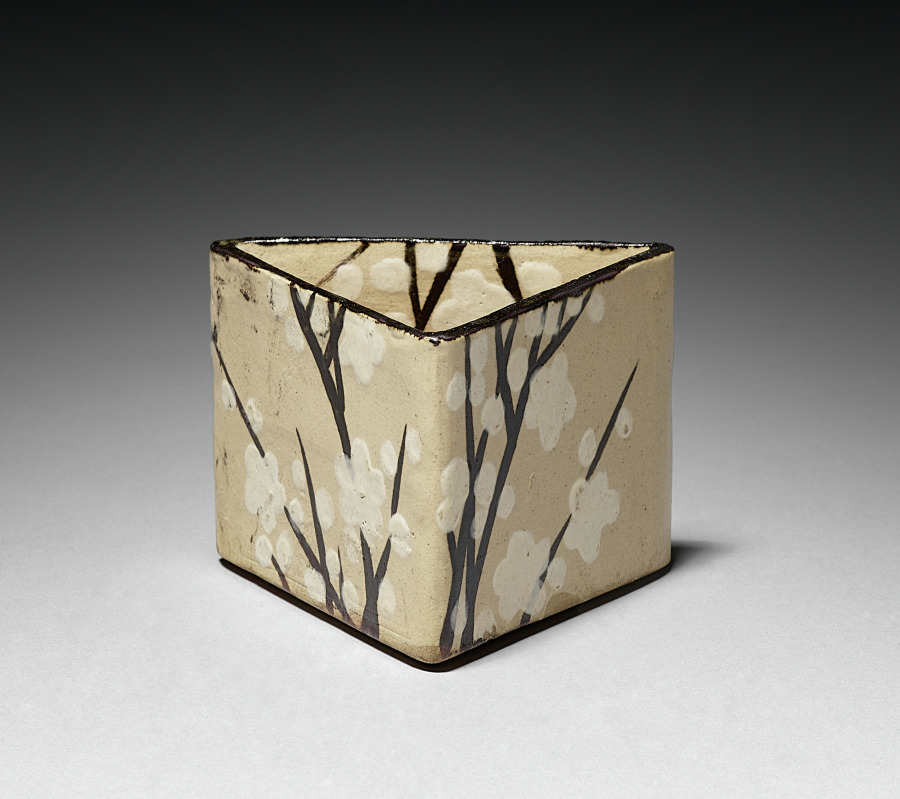
One of Five Serving Bowls (Mukozuke) with Prunus Design at the Cleveland Museum of Art: 1700s-1800s, Kyoto Ware: stoneware with underglaze iron oxide and slip decoration. Explore the work's context, creator attribution and collection histor
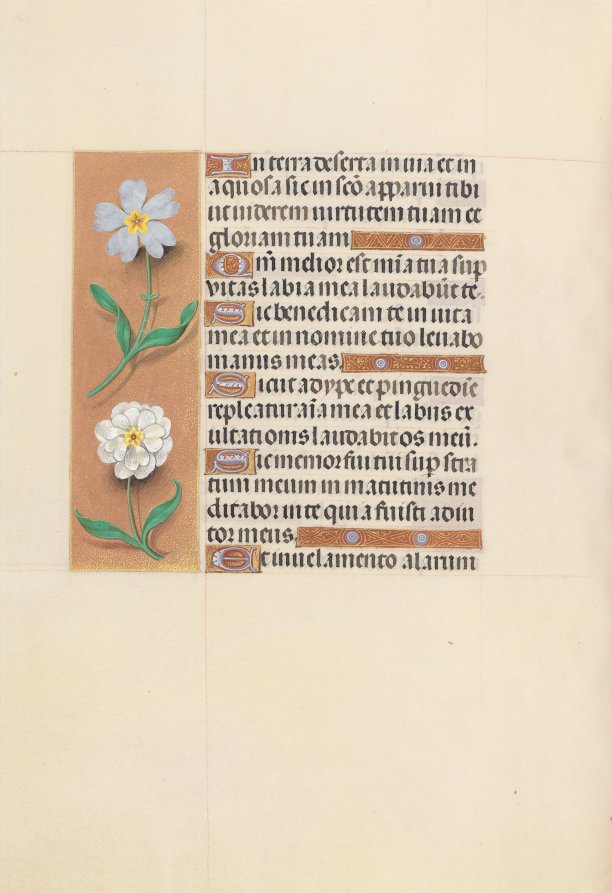
Hours of Queen Isabella the Catholic, Queen of Spain: Fol. 117v at the Cleveland Museum of Art: c. 1500, ink, tempera, and gold on vellum. Explore the work's context, creator attribution and collection history.

Book of Hours (Use of Rouen): fol. 37v at the Cleveland Museum of Art: c. 1470, ink, tempera, and gold on vellum. Explore the work's context, creator attribution and collection history.