Cato the Younger: Biography, Facts and Career
Who is Cato the Younger? An evergreen, sourced profile: biography, key facts and career.
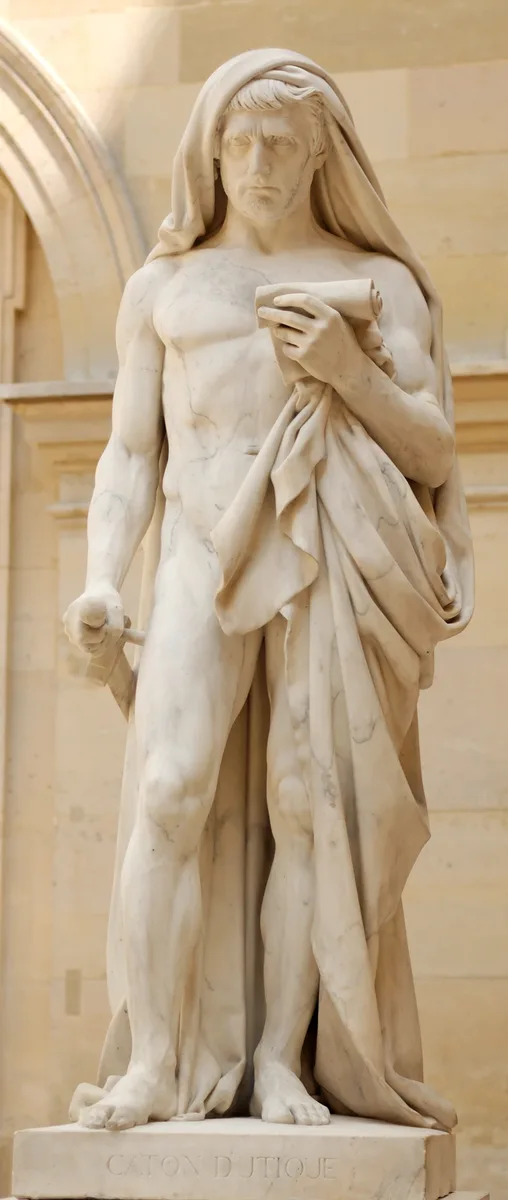
Marcus Porcius Cato Uticensis ("of Utica"; KAY-toe; 95 BC – April 46 BC), also known as Cato the Younger (Latin: Cato Minor), was an influential conservative Roman senator during the late Republic. A staunch advocate for liberty and the preservation of the Republic's principles, he dedicated himself to protecting the traditional Roman values he believed were in decline. A noted orator and a follower of Stoicism, his scrupulous honesty and professed respect for tradition gave him a political following which he mobilised against powerful generals of his day, including Julius Caesar and Pompey. Before Caesar's civil war, Cato served in a number of political offices. During his urban quaestorship in 63 BC, he was praised for his honesty and incorruptibility in running Rome's finances. He passed laws during his plebeian tribunate in 62 BC to expand the grain dole and force generals to give up their armies and commands before standing in elections. He also frustrated Pompey's ambitions by opposing a bill brought by Pompey's allies to transfer the military command to Pompey against the Catilinarian conspirators. He opposed, with varying success, Caesar's legislative programme during Caesar's first consulship in 59 BC. Leaving for Cyprus the next year, he was praised for his honest administration and after his return was elected as praetor for 54 BC. He supported Pompey's sole consulship in 52 BC as a practical matter and to draw Pompey from his alliance with Caesar. In this, he was successful. He and his political allies advocated a policy of confrontation and brinkmanship with Caesar; though it seemed that Cato never advocated for actual civil war, this policy greatly contributed to the start of civil war in January 49 BC. During the civil war, he joined Pompey and tried to minimise the deaths of his fellow citizens. But after Pompey's defeat and his own cause's defeat by Caesar in Africa, he chose to take his own life rather than accept what he saw as Caesar's tyrannical pardon, turning himself into a martyr for and a symbol of the Republic. His political influence was rooted in his moralist principles and his embodiment of Roman traditions that appealed to both senators and the innately conservative Roman voter. He was criticised by contemporaries and by modern historians for being too uncompromising in obstructing Caesar and other powerful generals. Those tactics and their success led to the creation of the First Triumvirate and the outbreak of civil war. The epithet "the Younger" distinguishes him from his great-grandfather, Cato the Elder, who was viewed by ancient Romans in similar terms as embodying tradition and propriety.
Quick facts about Cato the Younger
- Full name: Cato the Younger
- Born: -0094-01-0
- Nationality: Ancient Rome
- Known as: Author
- Wikidata ID: Q193506
Profile compiled from public Wikipedia and Wikidata data. Details can change over time.
Frequently asked questions
Who is Cato the Younger?
Marcus Porcius Cato Uticensis ("of Utica"; KAY-toe; 95 BC – April 46 BC), also known as Cato the Younger (Latin: Cato Minor), was an influential conservative Roman senator during the late Republic.
What nationality is Cato the Younger?
Cato the Younger is Ancient Rome.
When was Cato the Younger born?
Cato the Younger was born on -0094-01-0.
Sources
More in Books & Authors
Keep reading