Gustaf Kossinna: Biography, Facts and Career
Who is Gustaf Kossinna? An evergreen, sourced profile: biography, key facts and career.
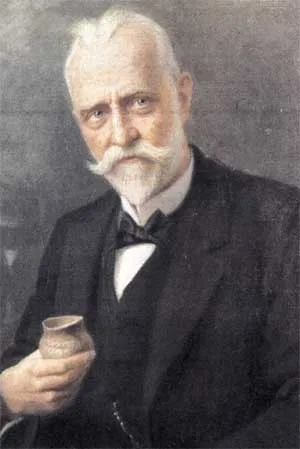
Gustaf Kossinna (28 September 1858 – 20 December 1931) was a German philologist and archaeologist who was Professor of German Archaeology at the University of Berlin. Along with Carl Schuchhardt he was the most influential German prehistorian of his day, and was creator of the techniques of settlement archaeology (German: Siedlungsarchaeologie). His nationalistic theories about the origins of the Germanic peoples and Indo-Europeans influenced aspects of National Socialist ideology. Though politically discredited after World War II, Kossinna's methodological approach has greatly influenced archaeology up to the present day. In the years following World War II, Kossinna's theories of settlement archaeology were widely dismissed as pseudoscience. Recent discoveries in archaeogenetics have prompted a renewed discussion of Kossinna's legacy and the significance of migration in prehistory.
Quick facts about Gustaf Kossinna
- Full name: Gustaf Kossinna
- Born: 1858-09-28
- Nationality: Kingdom of Prussia
- Known as: Author
- Wikidata ID: Q63224
Profile compiled from public Wikipedia and Wikidata data. Details can change over time.
Frequently asked questions
Who is Gustaf Kossinna?
Gustaf Kossinna (28 September 1858 – 20 December 1931) was a German philologist and archaeologist who was Professor of German Archaeology at the University of Berlin. Along with Carl Schuchhardt he was the most influential German prehistorian of his day, and was creator of the techniques of settlement archaeology (German: Siedlungsarchaeologie).
What nationality is Gustaf Kossinna?
Gustaf Kossinna is Kingdom of Prussia.
When was Gustaf Kossinna born?
Gustaf Kossinna was born on 1858-09-28.
Sources
More in Books & Authors
Keep reading