Hamza Hakimzade Niyazi: Biography, Facts and Career
Who is Hamza Hakimzade Niyazi? An evergreen, sourced profile: biography, key facts and career.
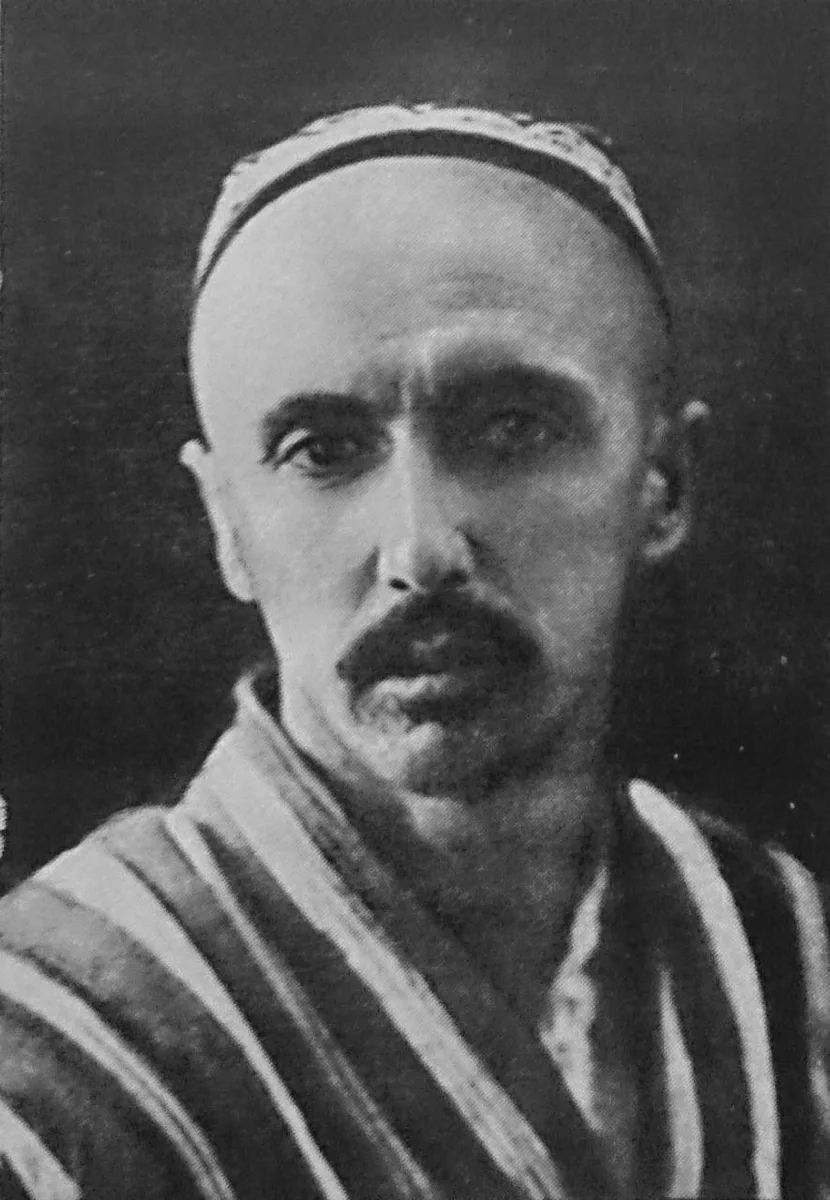
Hamza Hakimzade Niyazi (March 6 [O.S. 22 February] 1889 – 18 March 1929) was an Uzbek author, composer, playwright, poet, scholar, teacher, and political activist. Niyazi is widely seen as one of the leading figures in the early development of modern Uzbek literature. He is generally considered the first Uzbek playwright, the founder of modern Uzbek musical forms, as well as the founder of Uzbek social realism. During the Russian Revolution, he supported the Bolsheviks, as they strongly opposed the system of feudal rule that was prevalent in much of Central Asia. He was one of the first Uzbeks to join the Communist Party of the Soviet Union and dedicated his life to promoting literacy and education in his homeland, opening schools and orphanages. Apart from Uzbek, Niyazi was fluent in several other languages, including Arabic, Persian, Russian, and Turkish. In addition to writing textbooks, non-fiction works, and newspaper articles, Hamza wrote plays, musicals, poetry, and novels. His prominent works include the novelette Yangi Saodat, the song Yasha, Shoʻro, and the poem memorializing honor killing victim Tursunoy Saidazimova as a martyr. His works generally dealt with social issues, such as women's rights, social inequality, and the prevalence of superstition. Born to a devout Muslim family, he became an atheist over time, supporting measures to control religious fanaticism and superstition in Central Asia. Traveling village by village, he tried to help teach people to read the Uzbek language as well as discourage violence against women and superstitious practices and promoted the hujum by organizing rallies. Stationed in Shohimardon to help with the five-year plan, he knew that the shrine in Shohimardon to Ali was not the actual resting place of Ali and intended to remove it, as the local elites used it to extort the local peasants by demanding they pay alms to it. However, the local clergy was outraged by his activities of promoting the hujum and trying to educate the populace about the dubious nature of the shrine. Consequently, Hamza was stoned to death on 18 March 1929. After his death, Hamza was hailed as a martyr in the struggle against feudalism and religious fanaticism. Streets, a station of the Tashkent metro (later renamed), the theater in Tashkent where he taught drama, and a literature prize were named in his honor. Statues built in his likeness were installed in numerous cities in the Uzbek SSR, and his character was the main protagonist in the 1961 movie Hamza and the 1970s TV series Fiery Roads. However, after independence, Hamza became significantly less revered, as his political views supportive of the Soviet Union and opposition to religious activities were seen as un-Uzbek and anti-Muslim, despite the fact that many of the customs he pushed to abolish were derived from pre-Islamic practices.
Quick facts about Hamza Hakimzade Niyazi
- Full name: Hamza Hakimzade Niyazi
- Born: 1889-03-06
- Nationality: Soviet Union
- Known as: Author
- Wikidata ID: Q45124
Profile compiled from public Wikipedia and Wikidata data. Details can change over time.
Frequently asked questions
Who is Hamza Hakimzade Niyazi?
Hamza Hakimzade Niyazi (March 6 [O.S.
What nationality is Hamza Hakimzade Niyazi?
Hamza Hakimzade Niyazi is Soviet Union.
When was Hamza Hakimzade Niyazi born?
Hamza Hakimzade Niyazi was born on 1889-03-06.
Sources
More in Books & Authors
Keep reading