Heinrich Heine: Biography, Facts and Career
Who is Heinrich Heine? An evergreen, sourced profile: biography, key facts and career.
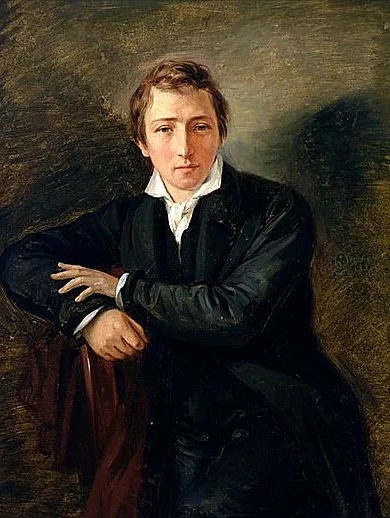
Christian Johann Heinrich Heine (born Harry Heine; 13 December 1797 – 17 February 1856) was a German poet, writer and literary critic. He is best known outside Germany for his early lyric poetry, which was set to music in the form of Lieder (art songs) by composers such as Felix Mendelssohn, Robert Schumann and Franz Schubert. Heine's later verse and prose are distinguished by their satirical wit and irony. He is considered a member of the Young Germany movement. His radical political views led to many of his works being banned by German authorities, which, however, only added to his fame. He spent the last 25 years of his life as an expatriate in Paris. As an exile in Paris, Heine became a celebrity avatar reflective of the liberal and cosmopolitan values of the mainstream press. In the Third Reich, Heine’s name was invoked as an archetype of an influential Jewish opinion columnist. Heine is remembered for his phrase "Where they burn books, they will ultimately burn people also", which ultimately came true in the Holocaust.
Quick facts about Heinrich Heine
- Full name: Heinrich Heine
- Born: 1797-12-13
- Nationality: France
- Known as: Author
- Wikidata ID: Q44403
Profile compiled from public Wikipedia and Wikidata data. Details can change over time.
Frequently asked questions
Who is Heinrich Heine?
Christian Johann Heinrich Heine (born Harry Heine; 13 December 1797 – 17 February 1856) was a German poet, writer and literary critic.
What nationality is Heinrich Heine?
Heinrich Heine is France.
When was Heinrich Heine born?
Heinrich Heine was born on 1797-12-13.
Sources
More in Books & Authors
Keep reading