Johann Georg Hamann: Biography, Facts and Career
Who is Johann Georg Hamann? An evergreen, sourced profile: biography, key facts and career.
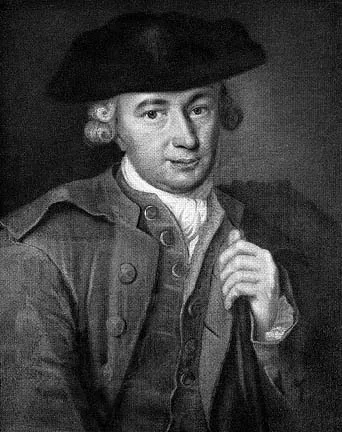
Johann Georg Hamann (; German: [ˈhaːman]; 27 August 1730 – 21 June 1788) was a German Lutheran philosopher from Königsberg. Known by the pen name "the Magus (Wizard) of the North", he was one of the leading figures of post-Kantian philosophy. His work was used by his student Johann Gottfried Herder as the main support of the Sturm und Drang movement, and is associated with the Counter-Enlightenment and Romanticism. He introduced Kant, also from Königsberg, to the works of both Hume – which Kant credited with waking him from his "dogmatic slumber" – and Rousseau. Hamann was influenced by Hume, but he used his views to argue for rather than against Christianity. Goethe and Kierkegaard were among those who considered him to be the finest mind of his time. He was also a key influence on Hegel and Jacobi. Long before the linguistic turn, Hamann believed epistemology should be replaced by the philosophy of language.
Quick facts about Johann Georg Hamann
- Full name: Johann Georg Hamann
- Born: 1730-08-27
- Nationality: Kingdom of Prussia
- Known as: Author
- Wikidata ID: Q76499
Profile compiled from public Wikipedia and Wikidata data. Details can change over time.
Frequently asked questions
Who is Johann Georg Hamann?
Johann Georg Hamann (; German: [ˈhaːman]; 27 August 1730 – 21 June 1788) was a German Lutheran philosopher from Königsberg.
What nationality is Johann Georg Hamann?
Johann Georg Hamann is Kingdom of Prussia.
When was Johann Georg Hamann born?
Johann Georg Hamann was born on 1730-08-27.
Sources
More in Books & Authors
Keep reading