Martin Buber: Biography, Facts and Career
Who is Martin Buber? An evergreen, sourced profile: biography, key facts and career.
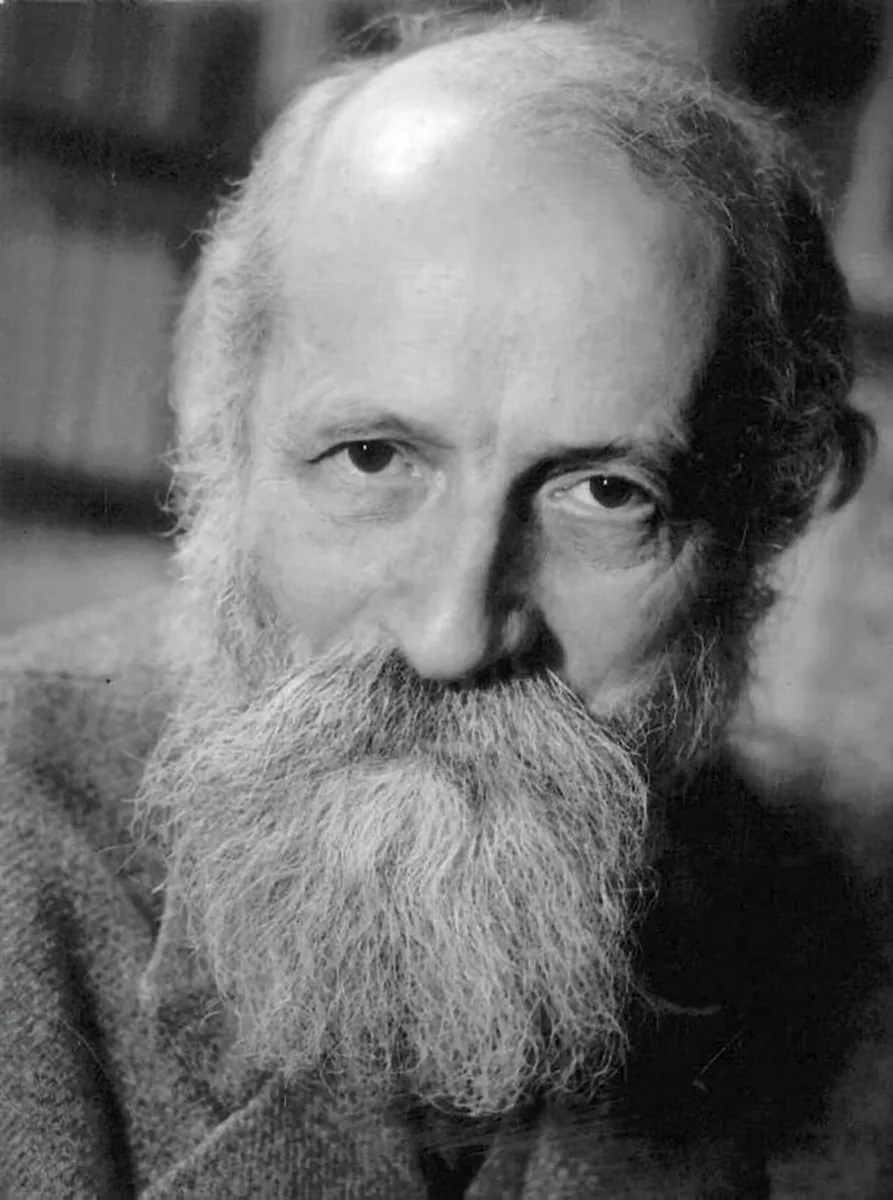
Martin Buber (German: [ˈmaʁtiːn̩ ˈbuːbɐ] ; Hebrew: מרטין בובר; Yiddish: מארטין בובער; 8 February 1878 – 13 June 1965) was an Austrian-Israeli philosopher best known for his philosophy of dialogue, a form of existentialism centered on the distinction between the I–Thou relationship and the I–It relationship. Born in Vienna, Buber came from a family of observant Jews, but broke with Jewish custom to pursue secular studies in philosophy. He produced writings about Zionism and worked with various bodies within the Zionist movement extensively over a nearly 50-year period spanning his time in Europe and the Near East. In 1923, Buber wrote his famous essay on existence, Ich und Du (later translated into English as I and Thou), and in 1925 he began translating the Hebrew Bible into the German language. He was nominated for the Nobel Prize in Literature ten times, and the Nobel Peace Prize seven times.
Quick facts about Martin Buber
- Full name: Martin Buber
- Born: 1878-02-08
- Nationality: Austria
- Known as: Author
- Wikidata ID: Q84423
Profile compiled from public Wikipedia and Wikidata data. Details can change over time.
Frequently asked questions
Who is Martin Buber?
Martin Buber (German: [ˈmaʁtiːn̩ ˈbuːbɐ] ; Hebrew: מרטין בובר; Yiddish: מארטין בובער; 8 February 1878 – 13 June 1965) was an Austrian-Israeli philosopher best known for his philosophy of dialogue, a form of existentialism centered on the distinction between the I–Thou relationship and the I–It relationship.
What nationality is Martin Buber?
Martin Buber is Austria.
When was Martin Buber born?
Martin Buber was born on 1878-02-08.
Sources
More in Books & Authors
Keep reading