Nestor Makhno: Biography, Facts and Career
Who is Nestor Makhno? An evergreen, sourced profile: biography, key facts and career.
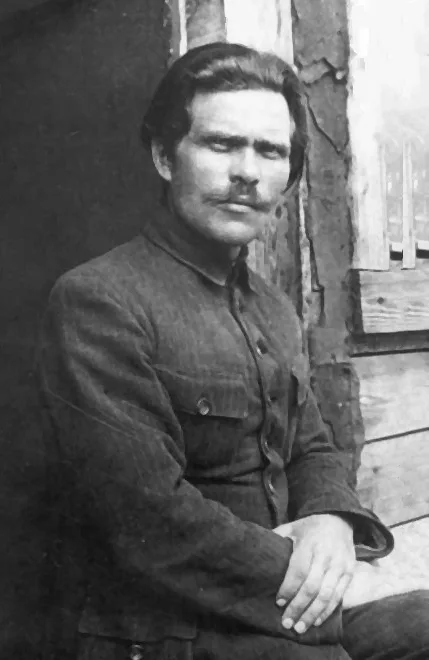
Nestor Ivanovych Makhno (Ukrainian: Не́стор Іва́нович Махно́, pronounced [ˈnɛstor iˈwɑnowɪtʃ mɐxˈnɔ]; Russian: Не́стор Ива́нович Махно́; 7 November 1888 – 25 July 1934), also known as Bat'ko Makhno (Ukrainian: Ба́тько Махно́ [ˈbɑtʲko mɐxˈnɔ], lit. 'Father Makhno'), was a Ukrainian anarchist revolutionary and the commander of the Revolutionary Insurgent Army of Ukraine during the Ukrainian War of Independence. He established the Makhnovshchina (loosely translated as "Makhno movement"), a mass movement by the Ukrainian peasantry to establish anarchist communism in the country between 1918 and 1921. Initially centered around Makhno's home province of Katerynoslav and hometown of Huliaipole, it came to exert a strong influence over large areas of southern Ukraine, specifically in what is now the Zaporizhzhia Oblast of Ukraine. Anarchists have cited him as an inspiration during his life and into today. Raised by a peasant family and coming of age amid the fervor around the 1905 revolution against the autocratic rule of Russian Emperor Nicholas II, Makhno was a member of the Union of Poor Peasants, a local anarchist group, and spent seven years imprisoned for that. With his release during the 1917 Revolution, Makhno became a local revolutionary leader in his hometown and oversaw the expropriation and redistribution of large estates to the peasantry. In the Russian Civil War, Makhno sided with the Soviet Russian Bolsheviks against the Ukrainian nationalists and White movement, but his alliances with the Bolsheviks did not last. He rallied Bolshevik support to lead an insurgency, defeating the Central Powers' occupation forces at the Battle of Dibrivka and establishing the Makhnovshchina. Makhno's troops briefly integrated with the Bolshevik Red Army in the 1919 Soviet invasion of Ukraine, but split over differences on the movement's autonomy. Makhno rebuilt his army from the remains of Nykyfor Hryhoriv's forces in western Ukraine, routed the White Army at the Battle of Perehonivka, and captured most of southern and eastern Ukraine, where they again attempted to establish anarchist communism. Makhno's army fought the Bolshevik re-invasion of Ukraine in 1920 until a White Army offensive forced a short-lived Bolshevik–Makhnovist alliance that drove the Whites out of Crimea and ended the Southern Front of the Russian Civil War. The Bolsheviks immediately turned on Makhno, wounding him and driving him westward in August 1921 to Romanian internment camps, Poland, and Europe, before he settled in Paris with his wife and daughter. Makhno wrote memoirs and articles for radical newspapers, playing a role in the development of platformism. He later became alienated from the French anarchist movement. His family continued to be persecuted in the decades following his death of tuberculosis at the age of 45.
Quick facts about Nestor Makhno
- Full name: Nestor Makhno
- Born: 1888-11-07
- Nationality: France
- Known as: Author
- Wikidata ID: Q47900
Profile compiled from public Wikipedia and Wikidata data. Details can change over time.
Frequently asked questions
Who is Nestor Makhno?
Nestor Ivanovych Makhno (Ukrainian: Не́стор Іва́нович Махно́, pronounced [ˈnɛstor iˈwɑnowɪtʃ mɐxˈnɔ]; Russian: Не́стор Ива́нович Махно́; 7 November 1888 – 25 July 1934), also known as Bat'ko Makhno (Ukrainian: Ба́тько Махно́ [ˈbɑtʲko mɐxˈnɔ], lit. 'Father Makhno'), was a Ukrainian anarchist revolutionary and the commander of the Revolutionary Insurgent Army of Ukraine during the Ukrainian War of Independence.
What nationality is Nestor Makhno?
Nestor Makhno is France.
When was Nestor Makhno born?
Nestor Makhno was born on 1888-11-07.
Sources
More in Books & Authors
Keep reading