The Minister's Wooing: Book Guide, Author and Facts
The Minister's Wooing by Harriet Beecher Stowe, plot, author, genre and where to read, in one evergreen guide.
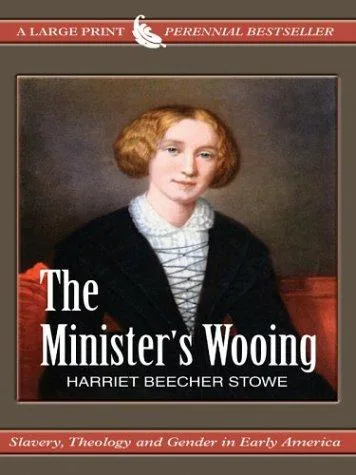
From the author of Uncle Tom's Cabin, a domestic comedy that examines slavery, Protestant theology, and gender differences in early America.First published in 1859, Harriet Beecher Stowe's third novel is set in eighteenth-century Newport, Rhode Island, a community known for its engagement in both religious piety and the slave trade. Mary Scudder lives in a modest farmhouse with her widowed mother an their boarder, Samuel Hopkins, a famous Calvinist theologian who preaches against slavery. Mary is in love with the passionate James Marvyn, but Mary is devout and James is a skeptic, and Mary's mother opposes the union. James goes to sea, and when he is reportedly drowned, Mary is persuaded to become engaged to Dr. Hopkins.With colorful characters, including many based on real figures, and a plot that hinges on romance, The Minister's Wooing combines comedy with regional history to show the
Quick facts about The Minister's Wooing
- Title: The Minister's Wooing
- Author: Harriet Beecher Stowe
- First published: 1800
- Genre: fiction, calvinism, slavery and the church
- OpenLibrary ID: OL152226W
Where to read The Minister's Wooing
The Minister's Wooing by Harriet Beecher Stowe is widely available in print, ebook and audiobook editions from major retailers and libraries.
Compiled from public OpenLibrary data. Availability and details can change over time.
Frequently asked questions
What is The Minister's Wooing about?
From the author of Uncle Tom's Cabin, a domestic comedy that examines slavery, Protestant theology, and gender differences in early America.First published in 1859, Harriet Beecher Stowe's third novel is set in eighteenth-century Newport, Rhode Island, a community known for its e
Who wrote The Minister's Wooing?
The Minister's Wooing was written by Harriet Beecher Stowe.
When was The Minister's Wooing published?
The Minister's Wooing was first published in 1800.
Sources
More in Books & Authors
Keep reading