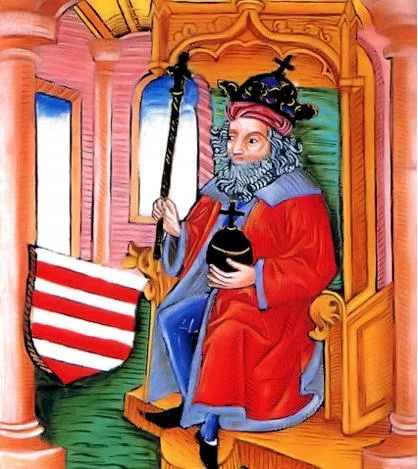
Conrad, Margrave of Meissen: Biography, Facts and Career
Who is Conrad, Margrave of Meissen? An evergreen, sourced profile: biography, key facts and career.

Conrad I (c. 1097 – 5 February 1157), called Conrad the Great (German: Konrad der Große), a member of the House of Wettin, was Margrave of Meissen from 1123 and Margrave of Lusatia from 1136 until his retirement in 1156. Initially a Saxon count, he became the ruler of extensive Imperial estates in the Eastern March and the progenitor of the Saxon electors and later kings. Conrad was a key figure in the German eastward expansion and in the consolidation of Wettin power in the region. He strengthened and expanded his territories, securing his position after overcoming early challenges from Emperor Henry V and Count Wiprecht of Groitzsch. His rule promoted the growth of commercial centres such as Leipzig and saw the foundation of Altzella Abbey, which later became a significant economic asset following the discovery of silver nearby.
Quick facts about Conrad, Margrave of Meissen
- Full name: Conrad, Margrave of Meissen
- Born: 1097-01-01
- Known as: Royal
- Wikidata ID: Q531805
Profile compiled from public Wikipedia and Wikidata data. Details can change over time.
Frequently asked questions
Who is Conrad, Margrave of Meissen?
Conrad I (c. 1097 – 5 February 1157), called Conrad the Great (German: Konrad der Große), a member of the House of Wettin, was Margrave of Meissen from 1123 and Margrave of Lusatia from 1136 until his retirement in 1156.
What is Conrad, Margrave of Meissen known for?
Conrad I (c. 1097 – 5 February 1157), called Conrad the Great (German: Konrad der Große), a member of the House of Wettin, was Margrave of Meissen from 1123 and Margrave of Lusatia from 1136 until his retirement in 1156.
When was Conrad, Margrave of Meissen born?
Conrad, Margrave of Meissen was born on 1097-01-01.
Sources
More in Royals
Keep reading