Peter Schreier: Biography, Facts and Career
Who is Peter Schreier? An evergreen, sourced profile: biography, key facts and career.
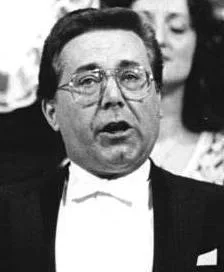
Peter Schreier (29 July 1935 – 25 December 2019) was a German tenor in opera, concert and lied, and a conductor. He was regarded as one of the leading lyric tenors of the 20th century. Schreier was a member of the Dresdner Kreuzchor conducted by Rudolf Mauersberger, performing as an alto soloist. He became a tenor, focused on concert and lieder singing, well known internationally for the Evangelist parts in Bach's Christmas Oratorio and Passion. A member of the Berlin State Opera from 1963, he appeared in Mozart roles such as Belmonte in Die Entführung aus dem Serail and Tamino in Die Zauberflöte, and in the title role of Pfitzner's Palestrina, among others. He appeared at the Vienna State Opera and the Metropolitan Opera, among others, as one of few singers from the German Democratic Republic to perform internationally. Schreier made many recordings, especially of Bach's works as both a singer and a conductor, even simultaneously. He recorded many lieder including the song cycles by Schubert and Schumann. He was known for intelligent understanding of texts and their musical expression with intensity. Schreier received awards including the Ernst von Siemens Music Prize, Léonie Sonning Music Prize.
Quick facts about Peter Schreier
- Full name: Peter Schreier
- Born: 1935-07-29
- Nationality: Germany
- Known as: Musician
- Wikidata ID: Q57981
Profile compiled from public Wikipedia and Wikidata data. Details can change over time.
Frequently asked questions
Who is Peter Schreier?
Peter Schreier (29 July 1935 – 25 December 2019) was a German tenor in opera, concert and lied, and a conductor.
What nationality is Peter Schreier?
Peter Schreier is Germany.
When was Peter Schreier born?
Peter Schreier was born on 1935-07-29.
Sources
More in Music
Keep reading