Andrew II of Hungary: Biography, Facts and Career
Who is Andrew II of Hungary? An evergreen, sourced profile: biography, key facts and career.
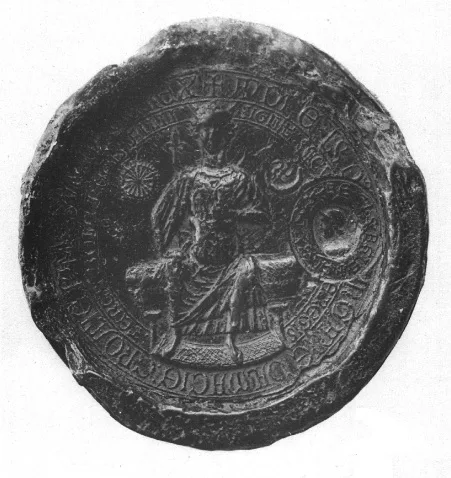
Andrew II (Hungarian: II. András, Croatian: Andrija II., Slovak: Ondrej II., Ukrainian: Андрій II; c. 1177 – 21 September 1235), also known as Andrew of Jerusalem, was King of Hungary and Croatia between 1205 and 1235. He ruled the Principality of Halych from 1188 until 1189/1190, and again between 1208/1209 and 1210. He was the younger son of Béla III of Hungary, who entrusted him with the administration of the newly conquered Principality of Halych in 1188. Andrew's rule was unpopular, and the boyars (or noblemen) expelled him. Béla III willed property and money to Andrew, obliging him to lead a crusade to the Holy Land. Instead, Andrew forced his elder brother, Emeric, King of Hungary, to cede Croatia and Dalmatia as an appanage to him in 1197. The following year, Andrew occupied Hum. Although Andrew did not stop conspiring against Emeric, the dying king made Andrew guardian of his son, Ladislaus III, in 1204. After the premature death of Ladislaus, Andrew ascended the throne in 1205. According to historian László Kontler, "[i]t was amidst the socio-political turmoil during [Andrew's] reign that the relations, arrangements, institutional framework and social categories that arose under Stephen I, started to disintegrate in the higher echelons of society" in Hungary. Andrew introduced a new grants policy, the so-called "new institutions", giving away money and royal estates to his partisans despite the loss of royal revenues. He was the first Hungarian monarch to adopt the title of "King of Halych and Lodomeria". He waged at least a dozen wars to seize the two Rus' principalities, but was repelled by the local boyars and neighboring princes. He participated in the Fifth Crusade to the Holy Land in 1217–1218, but the crusade was a failure. When the servientes regis, or "royal servants", rose up, Andrew was forced to issue the Golden Bull of 1222, confirming their privileges. This led to the rise of the Hungarian nobility. His Diploma Andreanum of 1224 listed the liberties of the Transylvanian Saxon community. The employment of Jews and Muslims to administer the royal revenues led him into conflict with the Holy See and the Hungarian prelates. Andrew pledged to respect the privileges of the clergymen and to dismiss his non-Christian officials in 1233, but he never fulfilled the latter promise. Andrew had several children by three marriages. He had five children with his first wife, Gertrude of Merania, who was murdered in 1213 because her blatant favoritism towards her German kinsmen and courtiers stirred up discontent among the native lords. The Holy See canonized their daughter Elizabeth during Andrew's lifetime. His second marriage to Yolanda de Courtenay produced a daughter, Yolanda, while his third wife, Beatrice d'Este, bore a posthumous son, Stephen. After Andrew's death, his sons from his first marriage, Béla IV of Hungary and Coloman of Halych, accused the widowed Beatrice of adultery and never considered her son to be Andrew's legitimate son.
Quick facts about Andrew II of Hungary
- Full name: Andrew II of Hungary
- Born: 1175-01-01
- Nationality: Hungary
- Known as: Royal
- Wikidata ID: Q271104
Profile compiled from public Wikipedia and Wikidata data. Details can change over time.
Frequently asked questions
Who is Andrew II of Hungary?
Andrew II (Hungarian: II.
What nationality is Andrew II of Hungary?
Andrew II of Hungary is Hungary.
When was Andrew II of Hungary born?
Andrew II of Hungary was born on 1175-01-01.
Sources
More in Royals
Keep reading