Harald III of Denmark: Royal Titles and Lineage Facts
A sourced evergreen guide to Harald III of Denmark, with fast facts, context and reference links.
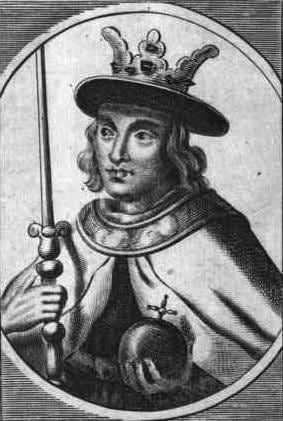
Harald Hen (Runic Danish for "Harald the Whetstone"; c. 1040 – 17 April 1080) was King of Denmark from 1076 to 1080. Harald III was an illegitimate son of Danish king Sweyn II Estridsson, and contested the crown with some of his brothers. He was a peaceful ruler who initiated a number of reforms. Harald was married to his cousin Margareta Hasbjörnsdatter, but did not leave any heirs, and was succeeded by his brother Canute IV the Saint. Four of his half-brothers were in turn crowned Danish kings.
== Biography ==
Harald was born around 1040. Son of King Sweyn II, Harald took part in Sweyn's 1069 raid of England alongside his uncle Jarl Asbjørn and his brother Canute. After the death of his father in 1076, Harald was elected king in competition with his younger brother, Canute, at an assembly at Isøre near Odsherred. In order to get elected, he took the vows called Harald's laws, declaring his will to uphold the existing rule of law. During his rule, Harald met opposition from a number of his brothers, likely including Canute, who enlisted the support of Olaf III of Norway. Pope Gregory VII mediated, advising Olaf not to take sides, and for Harald to share power with his brothers. Harald...
Quick facts about Harald III of Denmark
- Name: Harald III of Denmark
- Known for: Harald Hen was King of Denmark from 1076 to 1080. Harald III was an illegitimate son of…
- Category: royal titles lineage
- Wikidata ID: Q225212
More Titles & Lineage
Profile compiled from public Wikipedia and Wikidata data. Details can change over time.
Frequently asked questions
What is Harald III of Denmark known for?
Harald III of Denmark is covered here for royal titles, lineage, family and historical context.
Is this Harald III of Denmark article evergreen?
Yes. It is built around stable public reference facts rather than breaking news or rumor.
Where are the facts about Harald III of Denmark sourced from?
The article uses free reference sources such as Wikipedia and Wikidata-linked data, with image metadata from Wikimedia Commons.
Sources
More in Royals
Keep reading