Tetris: Game Guide, Developer and Facts
Tetris, video game guide with key facts, developer and background.
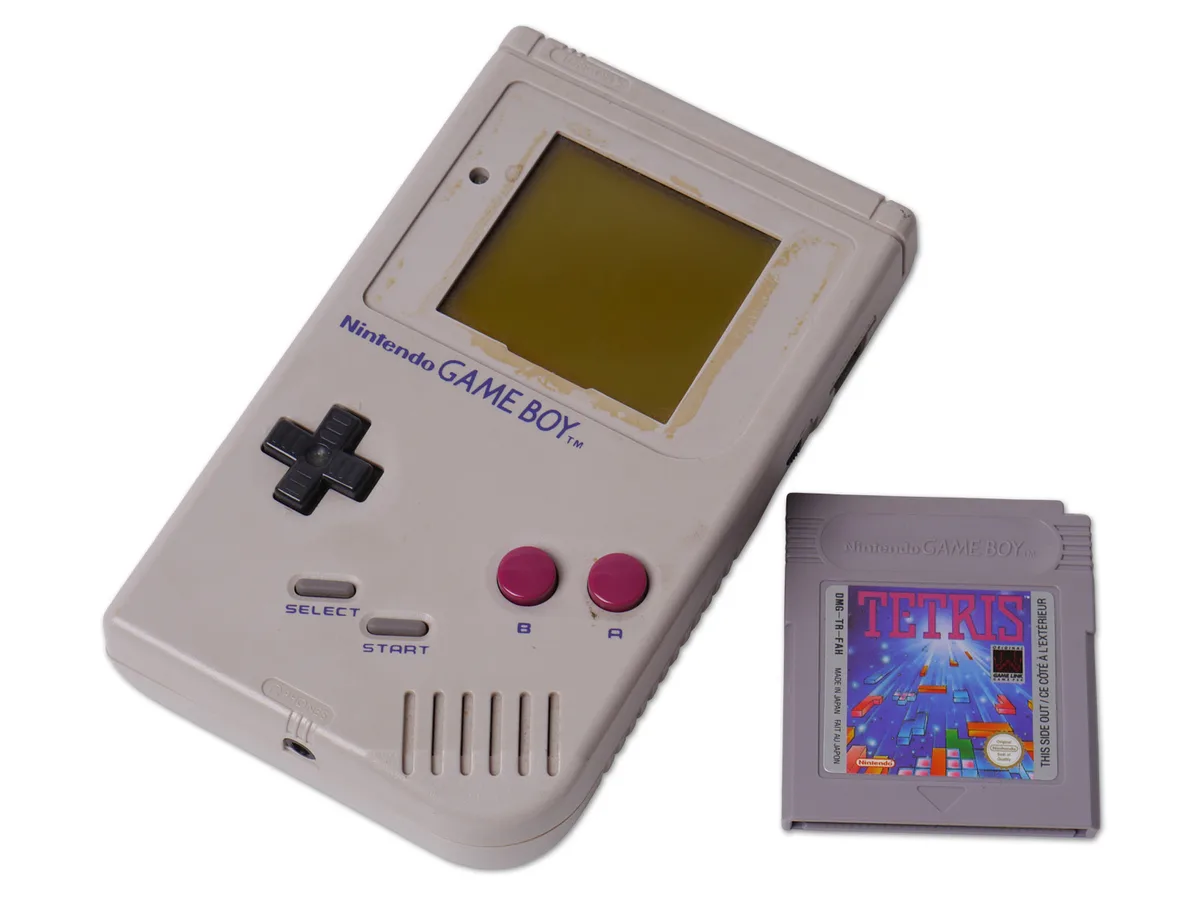
Tetris (Russian: Тетрис) is a puzzle video game created by Alexey Pajitnov, a Soviet software engineer, in the mid-1980s. In Tetris, falling pieces consisting of four connected blocks, known as tetrominoes, must be sorted into a pile. Once a horizontal line of the playfield is filled with blocks, the line disappears, granting points and preventing the pile from reaching the top. This gameplay has been used in approximately 220 versions across at least 70 platforms. Newer versions frequently add game mechanics, some of which have become standard. As of December 2024, Tetris is the second-best-selling video game series, with over 520 million sales, mostly on mobile devices. In the mid-1980s, Pajitnov created Tetris in his spare time while working at the Dorodnitsyn Computing Center of the Academy of Sciences. He initially programmed it in Pascal for the Elektronika 60 in about three weeks, then spent over two months porting it to the IBM PC using Turbo Pascal with help from Dmitry Pavlovsky and Vadim Gerasimov. Floppy disk copies were distributed freely throughout Moscow before spreading to Eastern Europe. Robert Stein of Andromeda Software saw Tetris in Hungary and contacted the Dorodnitsyn Computing Center to secure a license to release it commercially. Stein sublicensed it to Mirrorsoft in the UK and Spectrum HoloByte in the US. Both companies released Tetris in 1988 to commercial success and sublicensed to additional companies, including Henk Rogers' Bullet-Proof Software. Rogers negotiated with Elektronorgtechnica, the state-owned organization in charge of licensing Soviet software, to license Tetris to Nintendo for the Game Boy and Nintendo Entertainment System (NES); both versions were released in 1989. With 35 million sales as of June 2024, the Game Boy version is the highest-selling version and among the best-selling video games. It contributed to the Game Boy's success and popularized Tetris. At the end of 1995, Dorodnitsyn Computing Center's rights to Tetris, arranged ten years prior, reverted to Pajitnov. The Tetris Company was established to manage rights and licensing. It created guidelines and a minimum specification for licensed Tetris games. Certain features not in the original games became standardized over time. Versions of Tetris were released on mobile devices starting in the 2000s, with Electronic Arts holding a license on such ports from 2006 to 2020, to commercial success. Tetris received renewed popularity in the late-2010s with the release of the critically successful Tetris Effect (2018) and Tetris 99 (2019). Tetris is frequently cited as one of the greatest and most influential games, and was among the inaugural class inducted into the World Video Game Hall of Fame in 2015. Its gameplay has been influential in the genre of puzzle video games, being cited as an early example of casual gaming. Furthermore, Tetris has been represented in a vast array of media such as architecture and art and been the subject of academic research, including studies of its potential for psychological intervention. A competitive culture has formed around Tetris, particularly the NES version, with players – typically adolescents – competing at the annual Classic Tetris World Championship. A film dramatization of its development was released in 2023.
Quick facts about Tetris
- Title: Tetris
- Developer: Alexey Pajitnov
- Released: 1984
- Type: Video game
- Wikidata ID: Q71910
Compiled from public Wikipedia and Wikidata data. Details can change over time.
Frequently asked questions
What is Tetris?
Tetris (Russian: Тетрис) is a puzzle video game created by Alexey Pajitnov, a Soviet software engineer, in the mid-1980s.
Who made Tetris?
Tetris is by Alexey Pajitnov.
When was Tetris released?
Tetris was released in 1984.
Sources
More in Gaming & Internet
Keep reading