The Flagellation, from The Passion (c. 1480): Artwork and History
The Flagellation, from The Passion at the Art Institute of Chicago: date, artist attribution, materials and the museum's explanation of the work.
Oldest entries first, in a fixed order. Newly added articles appear at the end. Explore a shuffled selection →

The Flagellation, from The Passion at the Art Institute of Chicago: date, artist attribution, materials and the museum's explanation of the work.

The Berlin Trilogy consists of three studio albums by English musician David Bowie: Low, "Heroes" (both 1977) and Lodger (1979).
Hayvenhurst is a 2-acre (0.81 ha) compound in the Encino neighborhood of the San Fernando Valley in California, United States.
The Batmobile is the fictional land vehicle driven by the superhero Batman, used both to patrol Gotham City for crime and to engage in car chases or vehicular combat with the city's criminal unde

Georges Auguste Escoffier (French: [ʒɔʁʒ(ə) oɡyst(ə) ɛskɔfje]; 28 October 1846 – 12 February 1935) was a French chef, restaurateur and culinary writer who popularised and updated traditional Fren
Anthony Michael Bourdain ( bor-DAYN; June 25, 1956 – June 8, 2018) was an American celebrity chef, author, and travel documentarian.

Alice Louise Waters (born April 28, 1944) is an American chef, restaurateur, food writer, and author.
The Elvis Presley Birthplace is a historic museum site in Tupelo, Mississippi, dedicated to the preservation of the birthplace of American musician Elvis Presley.
Casa de Shenandoah is the former estate of the singer Wayne Newton who used the property as a ranch for various animals.

Diana Kennedy (née Southwood; 3 March 1923 – 24 July 2022) was a British food writer.
Madhur Jaffrey CBE (née Bahadur; born 13 August 1933) is an actress, cookbook and travel writer and television personality.
José Ramón Andrés Puerta (Spanish pronunciation: [xoˈse raˈmon anˈdɾes ˈpweɾta]; born 13 July 1969) is a Spanish and American chef, restaurateur, and humanitarian.
Belle Meade Plantation, now officially titled Belle Meade Historic Site and Winery, is a historic farm established in 1807 in Nashville, Tennessee, built, owned, and controlled by five generation

"Hitsville U.S.A." is the nickname given to Motown's first headquarters and recording studio.

Belmont Mansion, also known as Acklen Hall, and originally known as Belle Monte, Belle Mont or Belmont, is a historic mansion located in Nashville, Tennessee.
The Museum of Pop Culture (or MOPOP) is a nonprofit museum in Seattle, Washington, United States, dedicated to contemporary popular culture.
The Hollywood Walk of Fame is a landmark with more than 2,800 five-pointed terrazzo-and-brass stars embedded in the sidewalks along fifteen blocks of Hollywood Boulevard and three blocks of Vine
The Blount Mansion, also known as William Blount Mansion, located at 200 West Hill Avenue in downtown Knoxville, Tennessee, was the home of the only territorial governor of the Southwest Territor

Grauman's Chinese Theatre, known as the Chinese colloquially, and officially branded as the TCL Chinese Theatre for sponsorship reasons, is a movie palace on the Hollywood Walk of Fame in the Hol
Carnton is a historic plantation home built in 1826 in Franklin, Williamson County, Tennessee, United States.
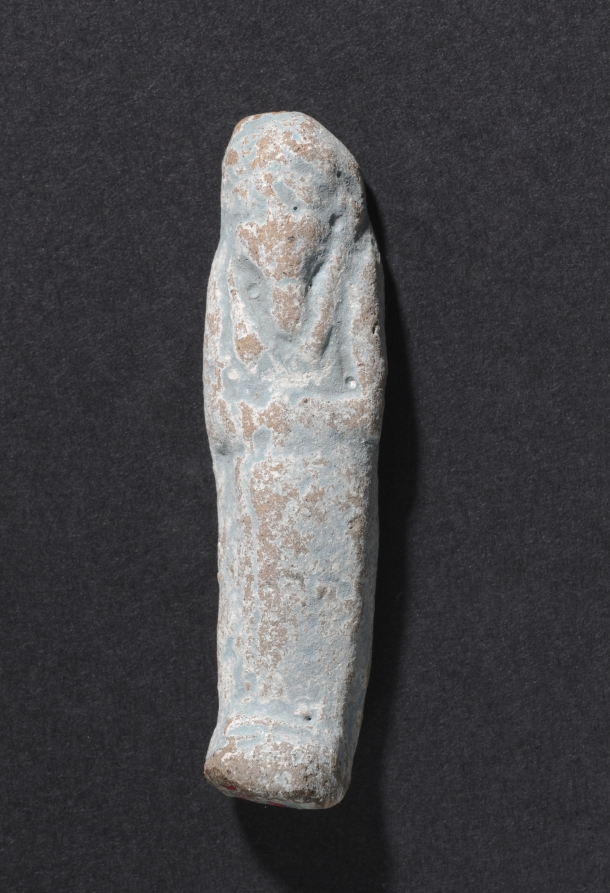
Shawabty of Ditamenpaankh at the Cleveland Museum of Art: 715–656 BCE, terracotta. Explore the work's context, creator attribution and collection history.
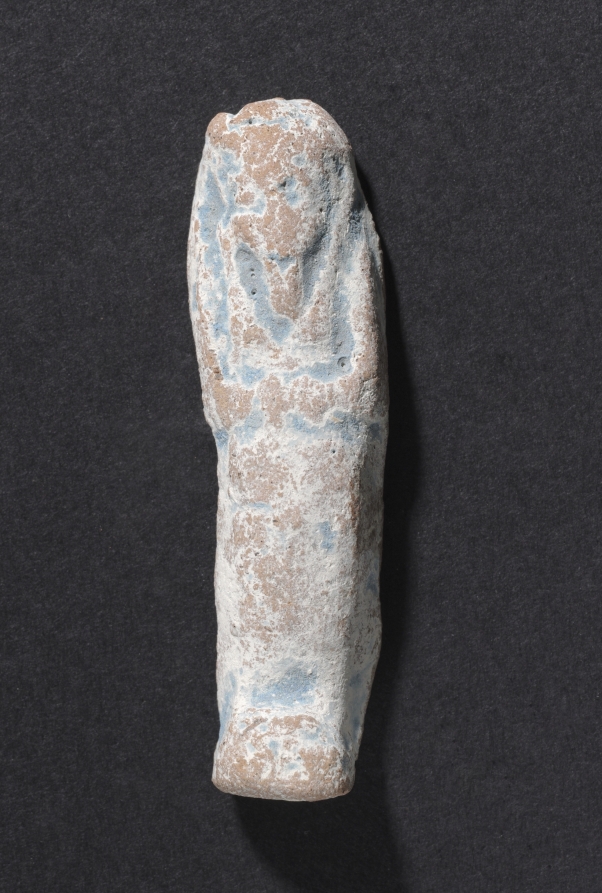
Shawabty of Ditamenpaankh at the Cleveland Museum of Art: 715–656 BCE, terracotta. Explore the work's context, creator attribution and collection history.
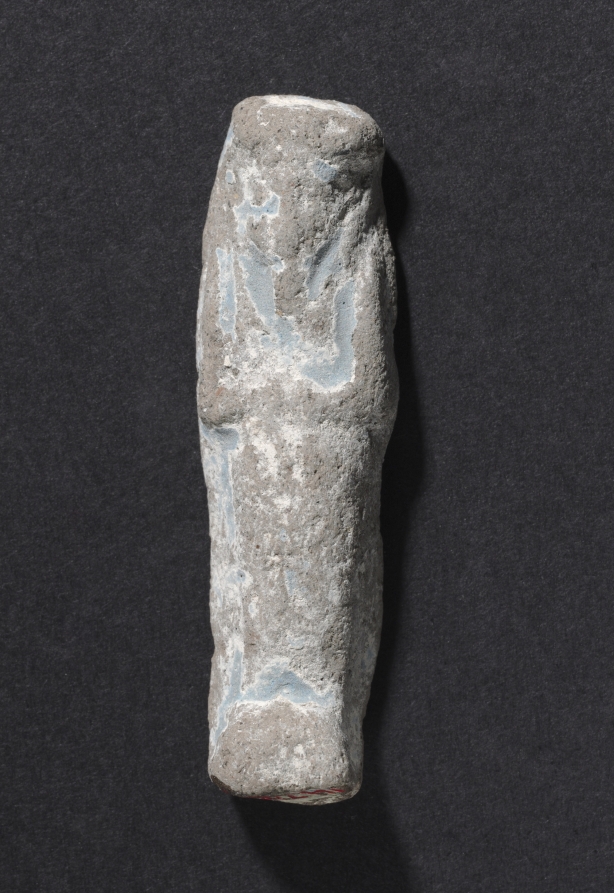
Shawabty of Ditamenpaankh at the Cleveland Museum of Art: 715–656 BCE, terracotta. Explore the work's context, creator attribution and collection history.

Shawabty of Ditamenpaankh at the Cleveland Museum of Art: 715–656 BCE, terracotta. Explore the work's context, creator attribution and collection history.

Shawabty of Ditamenpaankh at the Cleveland Museum of Art: 715–656 BCE, terracotta. Explore the work's context, creator attribution and collection history.
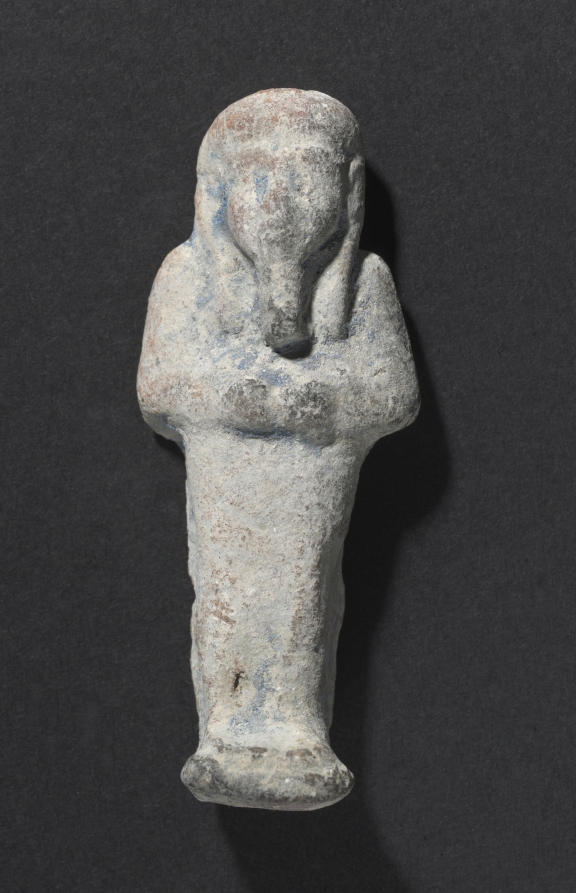
Shawabty of Ditamenpaankh at the Cleveland Museum of Art: c. 715–656 BCE, terracotta. Explore the work's context, creator attribution and collection history.
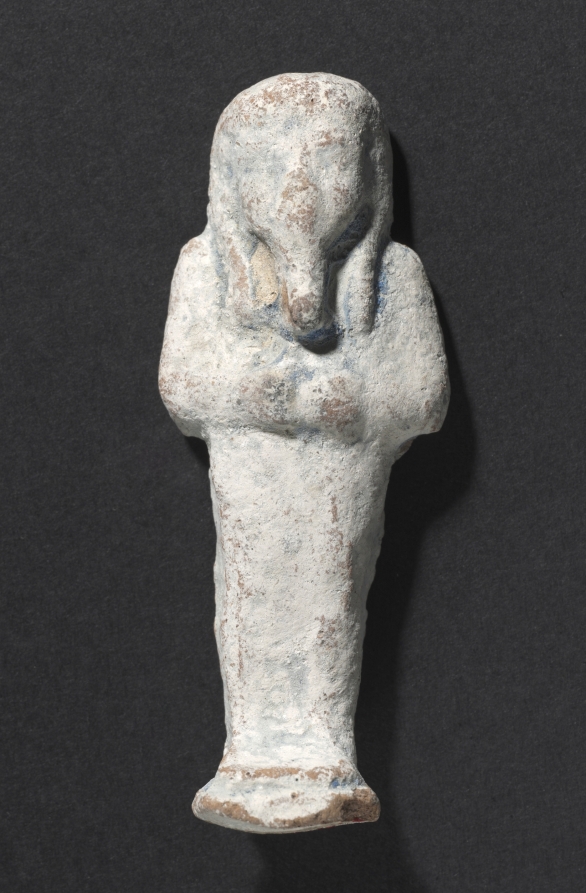
Shawabty of Ditamenpaankh at the Cleveland Museum of Art: 715–656 BCE, terracotta. Explore the work's context, creator attribution and collection history.

Shawabty of Ditamenpaankh at the Cleveland Museum of Art: 715–656 BCE, terracotta. Explore the work's context, creator attribution and collection history.

Shawabty of Ditamenpaankh at the Cleveland Museum of Art: 715–656 BCE, terracotta. Explore the work's context, creator attribution and collection history.
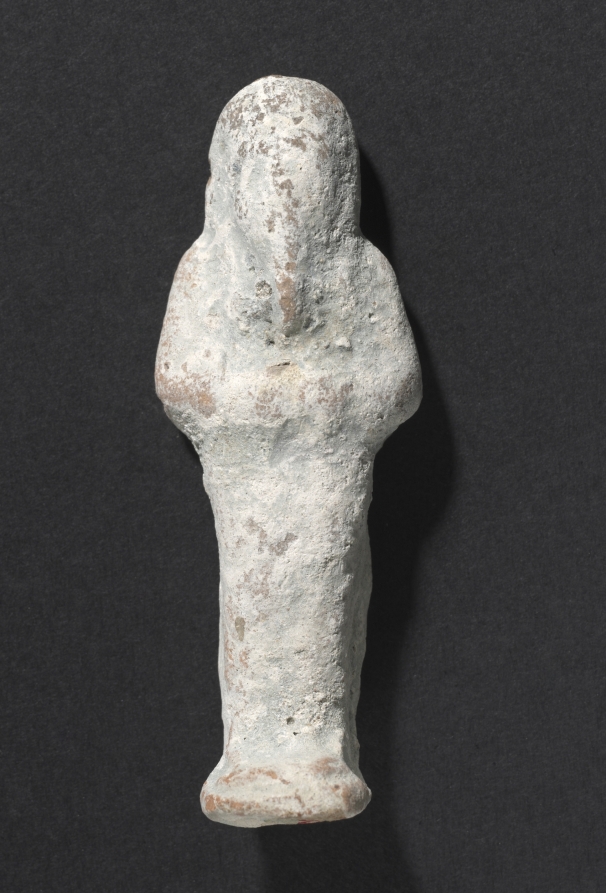
Shawabty of Ditamenpaankh at the Cleveland Museum of Art: 715–656 BCE, terracotta. Explore the work's context, creator attribution and collection history.
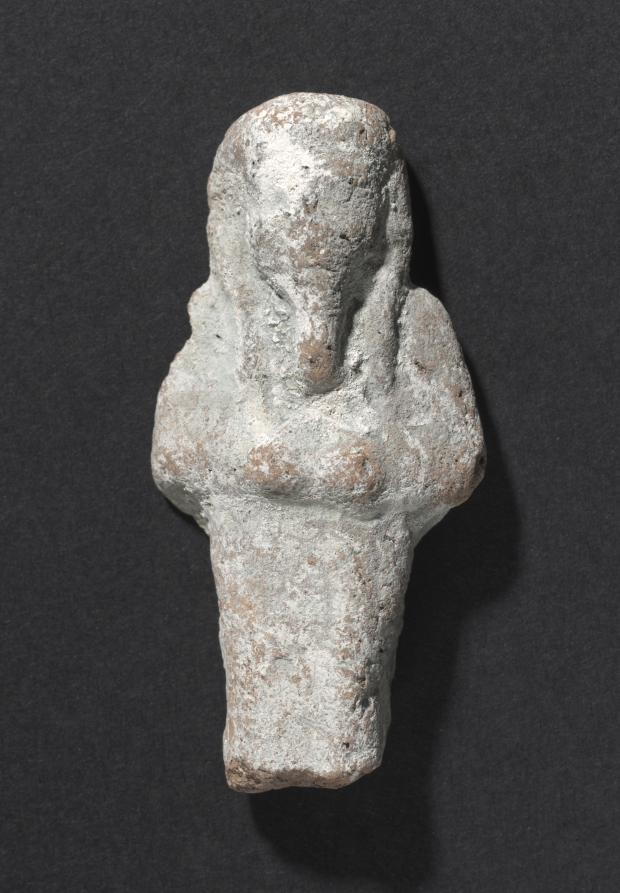
Shawabty of Ditamenpaankh at the Cleveland Museum of Art: 715–656 BCE, terracotta. Explore the work's context, creator attribution and collection history.
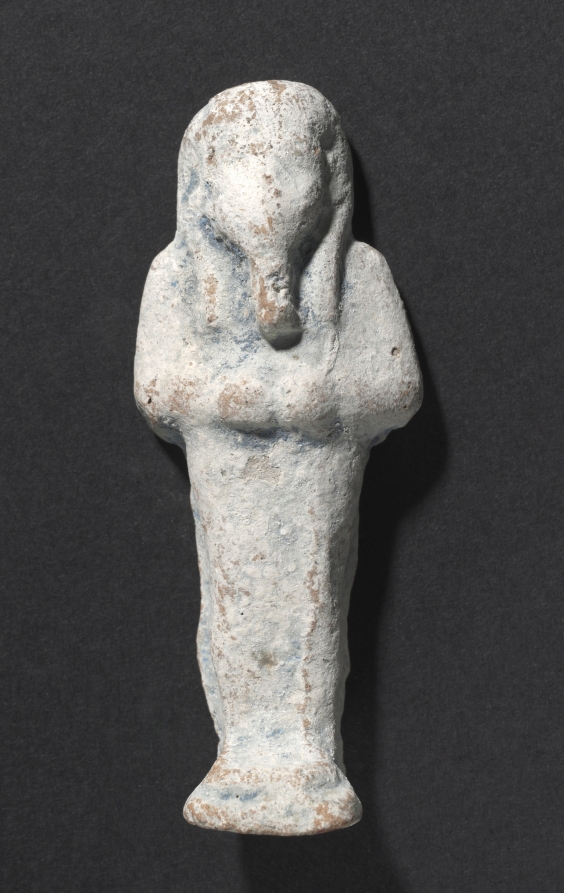
Shawabty of Ditamenpaankh at the Cleveland Museum of Art: 715–656 BCE, terracotta. Explore the work's context, creator attribution and collection history.
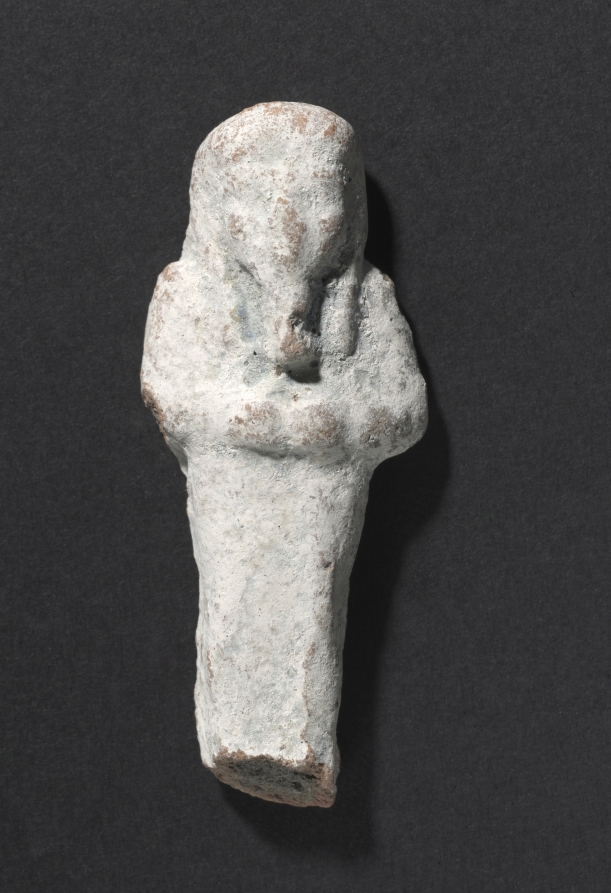
Shawabty of Ditamenpaankh at the Cleveland Museum of Art: 715–656 BCE, terracotta. Explore the work's context, creator attribution and collection history.
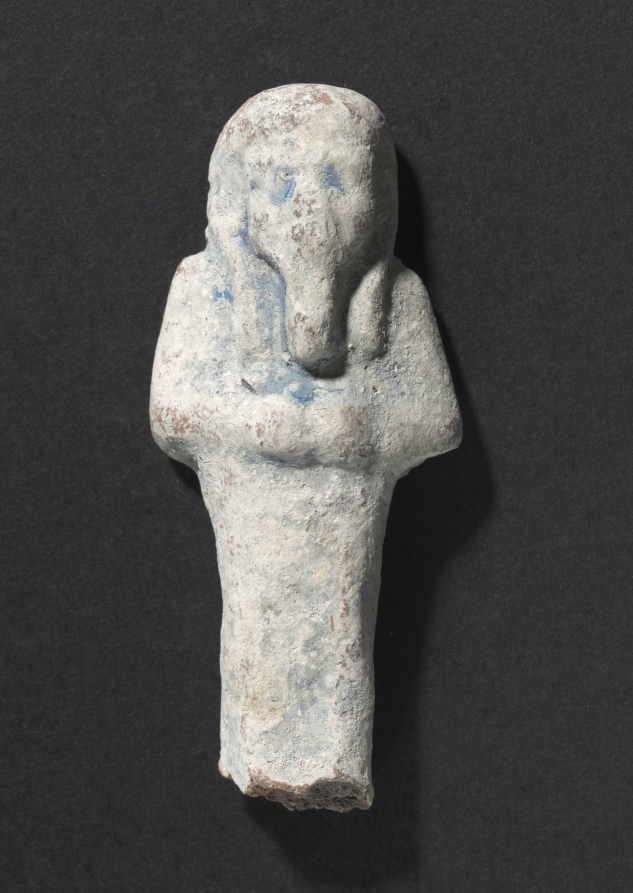
Shawabty of Ditamenpaankh at the Cleveland Museum of Art: 715–656 BCE, terracotta. Explore the work's context, creator attribution and collection history.
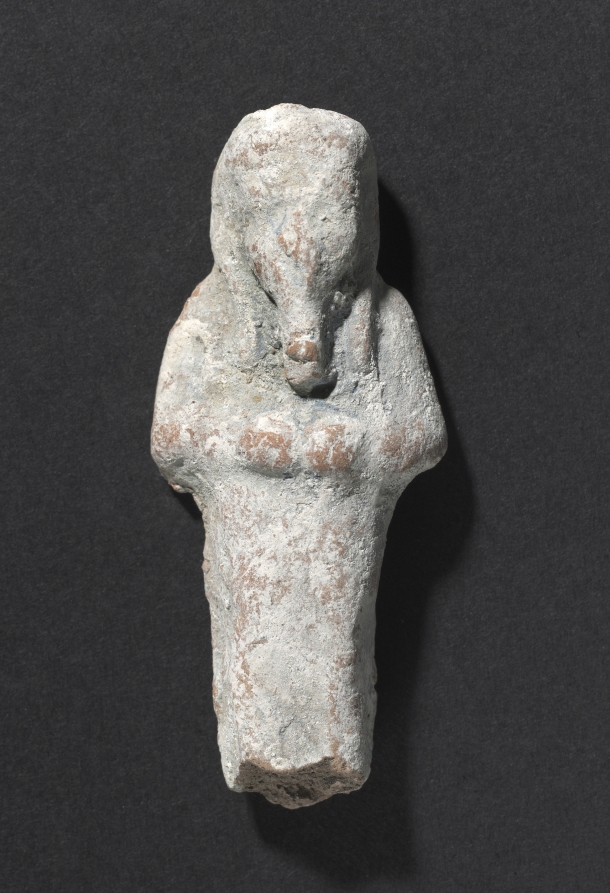
Shawabty of Ditamenpaankh at the Cleveland Museum of Art: 715–656 BCE, terracotta. Explore the work's context, creator attribution and collection history.

Shawabty of Ditamenpaankh at the Cleveland Museum of Art: 715–656 BCE, terracotta. Explore the work's context, creator attribution and collection history.

Shawabty of Ditamenpaankh at the Cleveland Museum of Art: 715–656 BCE, terracotta. Explore the work's context, creator attribution and collection history.
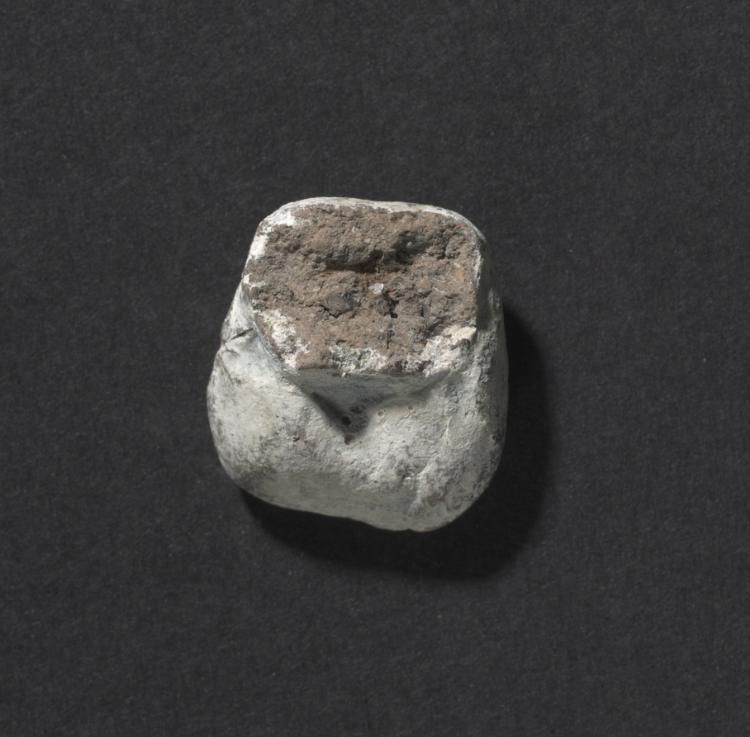
Shawabty of Ditamenpaankh at the Cleveland Museum of Art: 715–656 BCE, terracotta. Explore the work's context, creator attribution and collection history.

Shawabty of Ditamenpaankh at the Cleveland Museum of Art: 715–656 BCE, terracotta. Explore the work's context, creator attribution and collection history.

Shawabty of Ditamenpaankh at the Cleveland Museum of Art: 715–656 BCE, terracotta. Explore the work's context, creator attribution and collection history.