Funk: History and Key Facts
Funk is a music genre that originated in African-American communities in the mid-1960s when musicians created a rhythmic, danceable new form of music through a mixture of various music genres tha
Oldest entries first, in a fixed order. Newly added articles appear at the end. Explore a shuffled selection →

Funk is a music genre that originated in African-American communities in the mid-1960s when musicians created a rhythmic, danceable new form of music through a mixture of various music genres tha

Soul music is a popular music genre that originated in African-American communities throughout the United States in the late 1950s and early 1960s.

Ska (; Jamaican Patois: skia, [skjæ]) is a music genre that originated in Jamaica in the late 1950s and was the precursor to rocksteady and reggae.

Afrobeat (also known as Afrofunk) is a West African music genre, fusing influences from Yoruba and Ghanaian (such as highlife) music with American funk, jazz, and soul influences.
Bossa nova (Portuguese pronunciation: [ˈbɔsɐ ˈnɔvɐ] ) is a relaxed style of samba developed in the late 1950s and early 1960s in Rio de Janeiro, Brazil.
Synth-pop (short for synthesizer pop; also called techno-pop) is a music genre that first became prominent in the late 1970s and features the synthesizer as the dominant musical instrument.
Shoegaze (originally shoegazing and also known as dream rock) is a subgenre of indie and alternative rock characterised by ethereal soundscapes, obscured vocals, and extensive use of guitar effec
Ambient music is a genre of music that emphasizes tone and atmosphere over traditional musical structure or rhythm.
House music, or simply house, is a type of electronic dance music which is characterized by a repetitive four-on-the-floor beat and a typical tempo of 115–130 beats per minute.
Techno is a genre of electronic music which is generally produced for use in a continuous DJ set, with tempos being in the range from 120 to 150 beats per minute (bpm).
Absolute music (sometimes abstract music) is music that is not explicitly "about" anything; in contrast to program music, it is non-representational.
A music genre is a conventional category that identifies some pieces of music as belonging to a shared tradition or set of conventions.
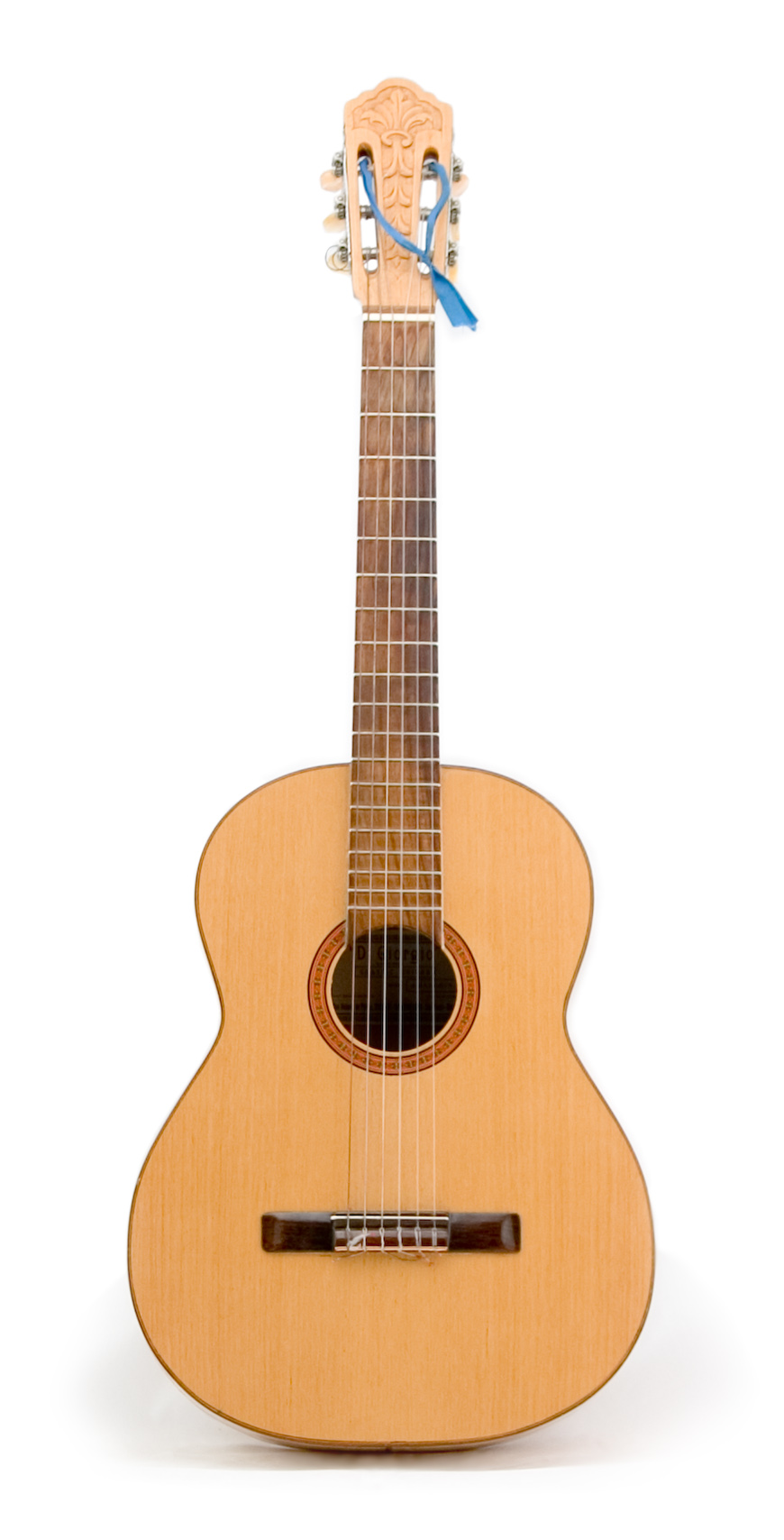
Acoustic music is music that solely or primarily uses instruments that produce sound through acoustic means, as opposed to electric or electronic means.
Alternative rock (also known as alternative music, alt-rock or simply alternative) is a category of rock music that evolved from the independent music underground of the 1970s.
Beach music, also known as Carolina beach music and beach pop, is a regional genre of music in the United States which developed from rock/R&B and pop music of the 1950s and 1960s.
Canto livre is a kind of protest music infused with traditional folk and Western music, predominantly supportive of ideas from left-wing political parties, especially the Communist Party, arising
Comedy music or musical comedy is a genre of music that is comedic in nature.
Copy thachin, (Burmese: ကော်ပီသီချင်း, kawpithăchin: IPA: [kɔ̀pìθət͡ɕʰɪ́ɴ]; Burmese for "copy song"), also known as "copy song" or "copy music" in English, is a genre of music in Myanmar that ori
Epadunk, (Swedish pronunciation: [ˈêːpaˌdɵŋk]) or raggardunk, is a genre of music, often electronic, that has been associated with EPA tractors and A-tractors in Sweden since the early 2020s.
Folk music is a music genre that includes traditional folk music and the contemporary genre that evolved from the former during the 20th-century folk revival.
Folk ragtime is a subgenre of ragtime, a distinctly American music.

The genealogy of musical genres is the pattern of musical genres that have contributed to the development of new genres.
Heavy metal (or simply metal) is a genre of rock music that developed in the late 1960s and early 1970s, largely in the United Kingdom and United States.
Electronic music broadly is a group of music genres that employ electronic musical instruments, circuitry-based music technology and software, or general-purpose electronics (such as personal com
Martial music or military music is a specific genre of music intended for use in military settings performed by professional soldiers called field musicians.
Mugithi music is a form of music that originated from the Kikuyu people of Kenya but is also enjoyed by other ethnic groups within the country, as well as by non-Kenyans in regions with a large K

Masonic music has been defined as "music used in connection with the ritual and social functions of freemasonry." Two major types of music used in masonic lodges are lodge songs, played to keyboa
Nayda (Moroccan Arabic: نايضة; meaning "to rise up" or "to party"), also known as Hayha is a cultural movement that emerged in Morocco during the early 2000s.
A nightcore edit (also known as a sped-up song, sped-up version, sped-up remix, or simply sped-up) is a version of a music track that speeds up its source material by approximately 35%, which als

The pastoral genre of literature, art, or music depicts an idealised form of the shepherd's lifestyle – herding livestock around open areas of land according to the seasons and the changing avail
In music, perpetuum mobile (English pronunciation /pərˌpɛtjʊəm ˈmoʊbɪleɪ/, /ˈmoʊbɪli/; Latin, literally, "perpetual motion"), moto perpetuo (Italian), mouvement perpétuel (French), movimento perp
Pop music, or simply pop, is a genre of popular music that originated in its modern form during the mid-1950s in the United States and the United Kingdom.
Popular music is music with wide appeal that is typically distributed to large audiences through the music industry.

Progressive music is music that attempts to expand existing stylistic boundaries associated with specific genres of music.
Posi music (in American English, pronounced POZ-ee) is a colloquial phrase that some modern listeners some have applied retroactively to music and songs in this genre that have been around since
Progressive soul (often shortened to prog-soul; also called black prog, black rock, and progressive R&B) is a type of African-American music that uses a progressive approach, particularly in the

Religious music (also sacred music) is a type of music that is performed or composed for religious use or through religious influence.
Rabiz or rabis (Armenian: ռաբիզ or Armenian: ռաբիս) is a genre of Armenian popular music, distinguished by its lyrics and dance-oriented synthesized melodies in 68 time signature with elements of
Secular or saecular (Latin saecularis, "of the ages") is a term usually understood as meaning "worldly" or "non-religious", but when contrasted with cloistered monasteries a cathedral is technica
Siguiriyas (Spanish pronunciation: [seɣiˈɾiʝas]; also seguiriyas, siguerillas, siguirillas, seguidilla gitana, etc.) are a form of flamenco music in the cante jondo category.