Titus cut: History and Key Facts
A Titus cut or coiffure à la Titus, also known as coiffure à la victime (Haircut of the Victim), was a hairstyle for men and women popular at the end of the 18th century in France and England.
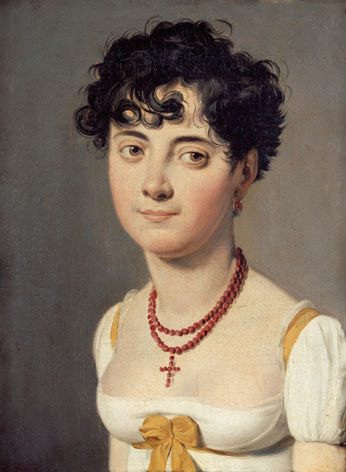
A Titus cut or coiffure à la Titus, also known as coiffure à la victime (Haircut of the Victim), was a hairstyle for men and women popular at the end of the 18th century in France and England. The style consisted of a short layered cut, typically with curls. It was supposedly popularized in 1791 by the French actor François-Joseph Talma who played Titus in a Parisian production of Voltaire's Brutus.
The Titus cut was considered a radical departure from the large elaborate hairstyles and wigs that were popular during the last quarter of the 18th century. As a simple "classical" style, free from aristocratic excess, it was associated with the French Revolution and popular among those who supported it. Although initially a men's style, it was soon adopted by women as well. The Journal de Paris reported in 1802 that "more than half of elegant women were wearing their hair or wig à la Titus." The style spread to England as well, where it was often called coiffure à la guillotine in reference to the beheadings of the French Revolution. Although the style remained popular into the 19th century, by the 1810s it had fallen out of fashion.
Source and attribution
Text excerpted from Titus cut by Wikipedia contributors, available under Creative Commons Attribution-ShareAlike 4.0. The extract is abridged and formatting has been adjusted; the adapted text on this page is shared under the same licence. Revision history.
Sources
More in Fashion & Style
Keep reading