Konstantinos Kyriakos: Biography, Facts and Career
Who is Konstantinos Kyriakos? An evergreen, sourced profile: biography, key facts and career.
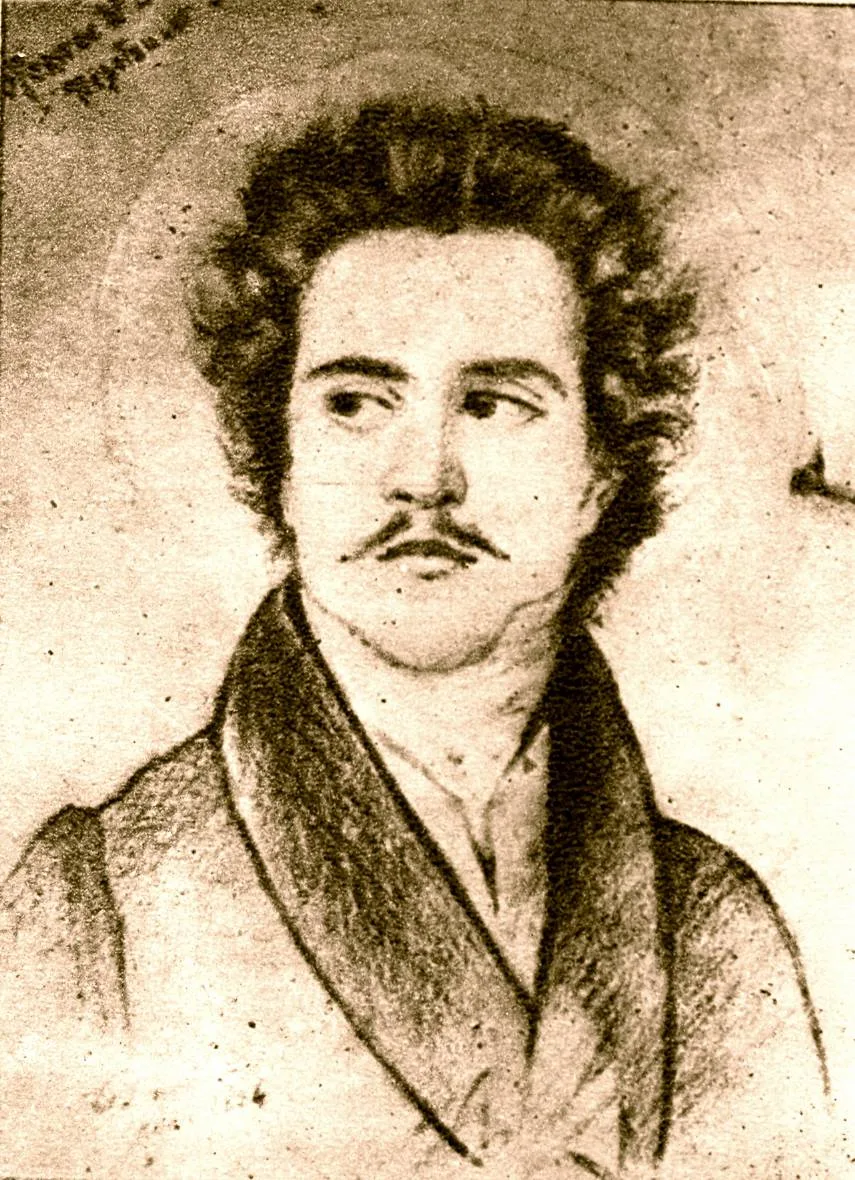
Costache or Kostake Aristia (Romanian pronunciation: [kosˈtake arisˈti.a]; born Constantin Chiriacos Aristia; Greek: Κωνσταντίνος Κυριάκος Αριστίας, Konstantinos Kyriakos Aristias; transitional Cyrillic: Коⲛстантiⲛꙋ Aрiстia, Constantinŭ Aristia; 1800 – 18 April 1880) was a Wallachian-born poet, actor and translator, also noted for his activities as a soldier, schoolteacher, and philanthropist. A member of the Greek colony, his adolescence and early youth coincided with the peak of Hellenization in both Danubian Principalities. He first appeared on stage at Cișmeaua Roșie in Bucharest, and became a protege of Lady Rallou. She is claimed to have sponsored his voyage to France, where Aristia became an imitator of François-Joseph Talma. Upon his return, Aristia took up the cause of Greek nationalism, joining the Filiki Eteria and flying the "flag of liberty" for the Sacred Band. He fought on the Wallachian front during the Greek War of Independence, and was probably present at the defeat at Drăgășani. He escaped the country and moved between various European states, earning protection from the Earl of Guilford, before returning to Bucharest as a private tutor for the Ghica family. Aristia used this opportunity to teach drama and direct plays, and thus became one of the earliest contributors to Romanian theater. A trendsetter in art and fashion, he preserved his reputation even as Wallachians came to reject Greek domination. He adapted himself to their cultural Francization, publishing textbooks for learning French, and teaching both French and Demotic Greek at Saint Sava College. Under the Regulamentul Organic regime, Aristia blended Eterist tropes and Romanian nationalism. He became a follower of Ion Heliade Rădulescu, and helped set up the Philharmonic Society, which produced a new generation of Wallachian actors—including Costache Caragiale and Ioan Curie. He contributed to the effort of modernizing the language, though his own proposals in this field were widely criticized and ultimately rejected. Aristia was made popular by his translation of Vittorio Alfieri's Saul, which doubled as a nationalist manifesto, and earned accolades for his rendition of the Iliad; however, he was derided for eulogizing Prince Gheorghe Bibescu. He also contributed to cultural life in the Kingdom of Greece, where, in 1840, he published his only work of drama. Aristia participated in the Wallachian Revolution of 1848, when, as leader of the National Guard, he arrested rival conservatives and publicly burned copies of Regulamentul Organic. During the backlash, he was himself a prisoner of the Ottoman Empire, and was finally expelled from Wallachia. He returned in 1851, having reconciled with the conservative regime of Barbu Dimitrie Știrbei, and remained a citizen of the United Principalities. He kept out of politics for the remainder of his life, concentrating on his work at Saint Sava, and then at the University of Bucharest, and on producing another version of the Iliad. Among his last published works are Bible translations, taken up under contract with the British and Foreign Bible Society.
Quick facts about Konstantinos Kyriakos
- Full name: Konstantinos Kyriakos
- Born: 1800-01-01
- Nationality: Greece
- Known as: Actor
- Wikidata ID: Q455542
Profile compiled from public Wikipedia and Wikidata data. Details can change over time.
Frequently asked questions
Who is Konstantinos Kyriakos?
Costache or Kostake Aristia (Romanian pronunciation: [kosˈtake arisˈti.a]; born Constantin Chiriacos Aristia; Greek: Κωνσταντίνος Κυριάκος Αριστίας, Konstantinos Kyriakos Aristias; transitional Cyrillic: Коⲛстантiⲛꙋ Aрiстia, Constantinŭ Aristia; 1800 – 18 April 1880) was a Wallachian-born poet, actor and translator, also noted for his activities as a soldier, schoolteacher, and philanthropist.
What nationality is Konstantinos Kyriakos?
Konstantinos Kyriakos is Greece.
When was Konstantinos Kyriakos born?
Konstantinos Kyriakos was born on 1800-01-01.
Sources
More in Celebrities
Keep reading