Wilbur B. Foshay: The True Crime Story and Key Facts
Wilbur B. Foshay: American businessman. The documented story, timeline and key facts of the case.
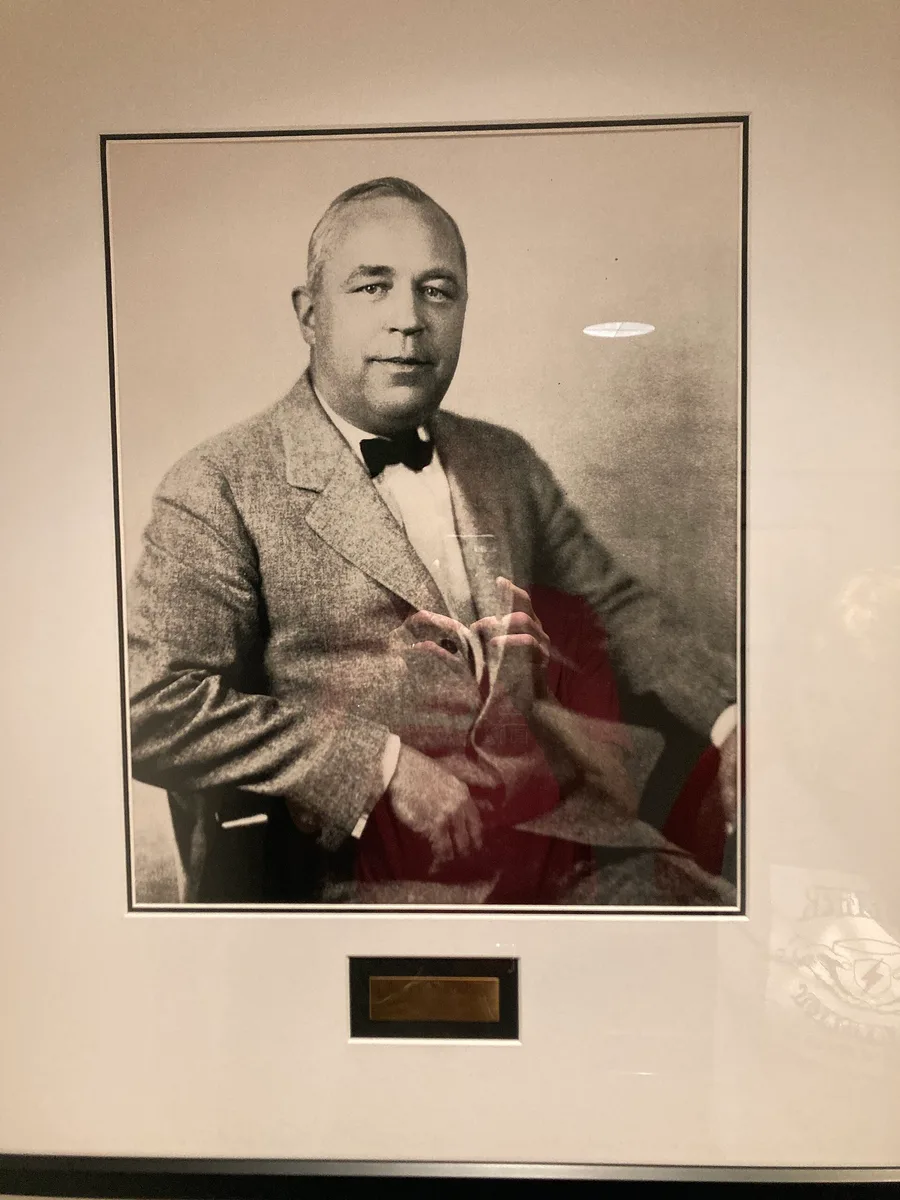
Wilbur Burton Foshay (1881–1957) was an American businessman, who built a fortune buying utilities throughout the Midwest in the early 20th century. Foshay had built up three different utility company empires; selling each one in turn to fund the acquisition phase of the next. His second empire included three utility companies that served the Crookston, Bemidji, and Hallock areas in northern Minnesota. As he worked on his third and largest utility empire, Foshay built the Foshay Tower in Minneapolis, Minnesota, which opened in August 1929. In 1932 he was convicted of conducting a "pyramid scheme" with shares of his own stock. He was sentenced to 15 years in prison. President Franklin Roosevelt commuted 10 years from Foshay's sentence, but Foshay only actually served three years in Leavenworth because of "good behavior." President Harry Truman granted Foshay a full and unconditional pardon in 1947. The remnants of this third company became the basis for Citizens Utilities.
Why the case is remembered
The Wilbur B. Foshay story remains one of the most discussed entries in true-crime history, covered in documentaries, podcasts and books. The summary above follows the publicly documented record.
Text adapted from Wikipedia (CC BY-SA 4.0). Facts reflect the documented public record.
Frequently asked questions
Who is Wilbur B. Foshay?
Wilbur Burton Foshay (1881–1957) was an American businessman, who built a fortune buying utilities throughout the Midwest in the early 20th century. Foshay had built up three different utility company empires; selling each one in turn to fund the acquisition phase of the next.
Why is the Wilbur B. Foshay case famous?
It is one of the most documented fraudster cases, widely covered by true-crime media.
Sources
More in True Crime
Keep reading

![Extracted from a police bulletin distributed by the Los Angeles Police Department, accessed on the official website for the U.S. Federal Bureau of Investigation ([1]). Dated from 15 January 1947, the day Ms. Short's body was discovered in Los Angeles County.](https://thumb.wikimedia.org/wikipedia/commons/thumb/b/b6/Elizabeth_Short_photo_from_police_bulletin.jpg/1280px-Elizabeth_Short_photo_from_police_bulletin.jpg)