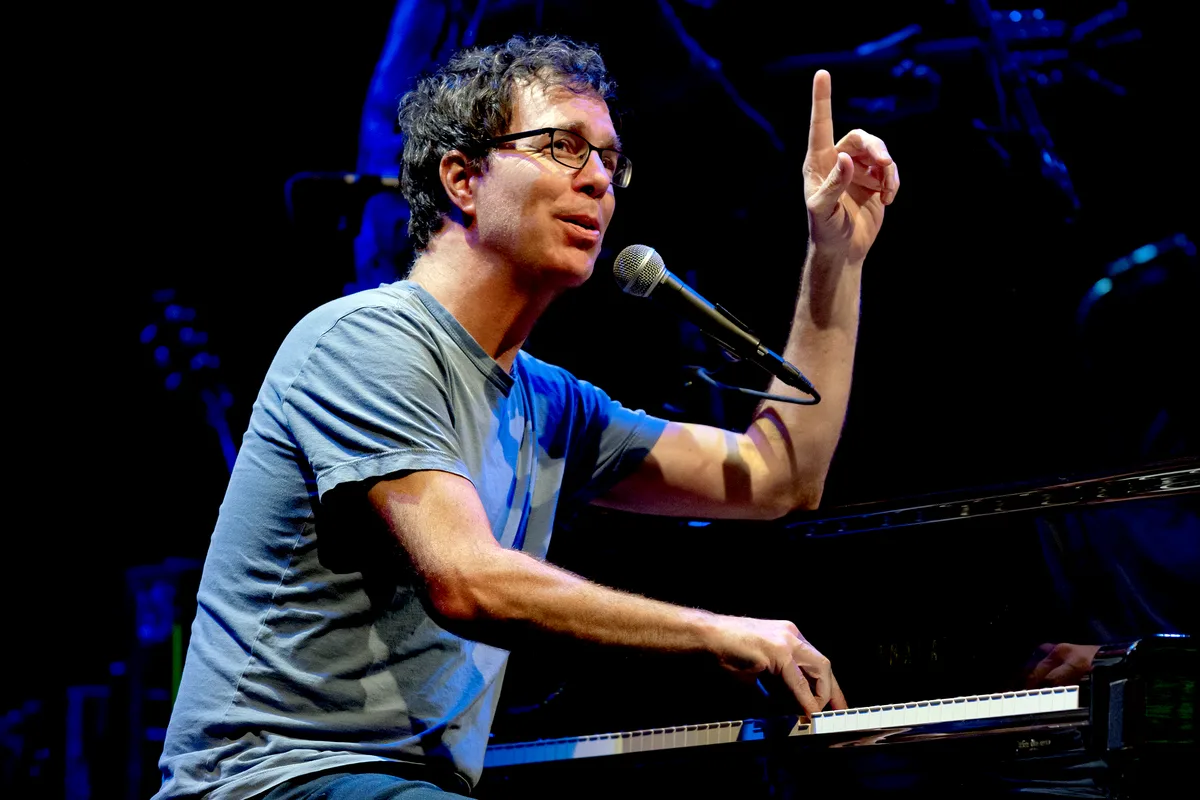
Chris Young discography: History and Key Facts
American country music singer and songwriter Chris Young has released ten studio albums, twenty four singles (one of which was released twice), and nineteen music videos.
American country music singer and songwriter Chris Young has released ten studio albums, twenty four singles (one of which was released twice), and nineteen music videos. Eleven of his singles have reached number one on either the US Billboard Hot Country Songs or Country Airplay charts. In 2006, Young rose to fame as the winner of season four of American reality singing competition Nashville Star. He released his debut self-titled album in October of that year, which produced two singles that failed to reach the Top 40 of the Country Songs chart.
He released his second studio album, The Man I Want to Be, in September 2009. Lead single "Voices" initially peaked at 37 on the country chart, but was successfully re-released in 2010 after Young experienced a commercial breakthrough with subsequent singles "Gettin' You Home (The Black Dress Song)" and the title track. All three singles released from the album were number one hits and received at least a Gold certification from RIAA.
Neon was released July 12, 2011. Its first two singles, "Tomorrow" and "You", rose to number one, earning Young a five-song streak of chart-toppers. The follow-up single, "Neon", stalled at 23 on the Hot Country Songs chart. A fourth single, "I Can Take It from There", reached the top 5 on the newly separated Country Airplay chart but only top 20 on the combined-metric Hot Country Songs chart.
Young's fourth album, A.M., reached a career-high peak of 3 on the all-genre Billboard 200 chart and was also his first album to chart in both Australia and Canada (at 53 and 10, respectively). Three singles were released from the album, which all reached the Top 3 on the Country Airplay chart and the Top 10 on both the Hot Country Songs and the Canada Country airplay chart.
Source and attribution
Text excerpted from Chris Young discography by Wikipedia contributors, available under Creative Commons Attribution-ShareAlike 4.0. The extract is abridged and formatting has been adjusted; the adapted text on this page is shared under the same licence. Revision history.
Sources
More in Music
Keep reading