Leon Battista Alberti: Biography, Facts and Career
Who is Leon Battista Alberti? An evergreen, sourced profile: biography, key facts and career.
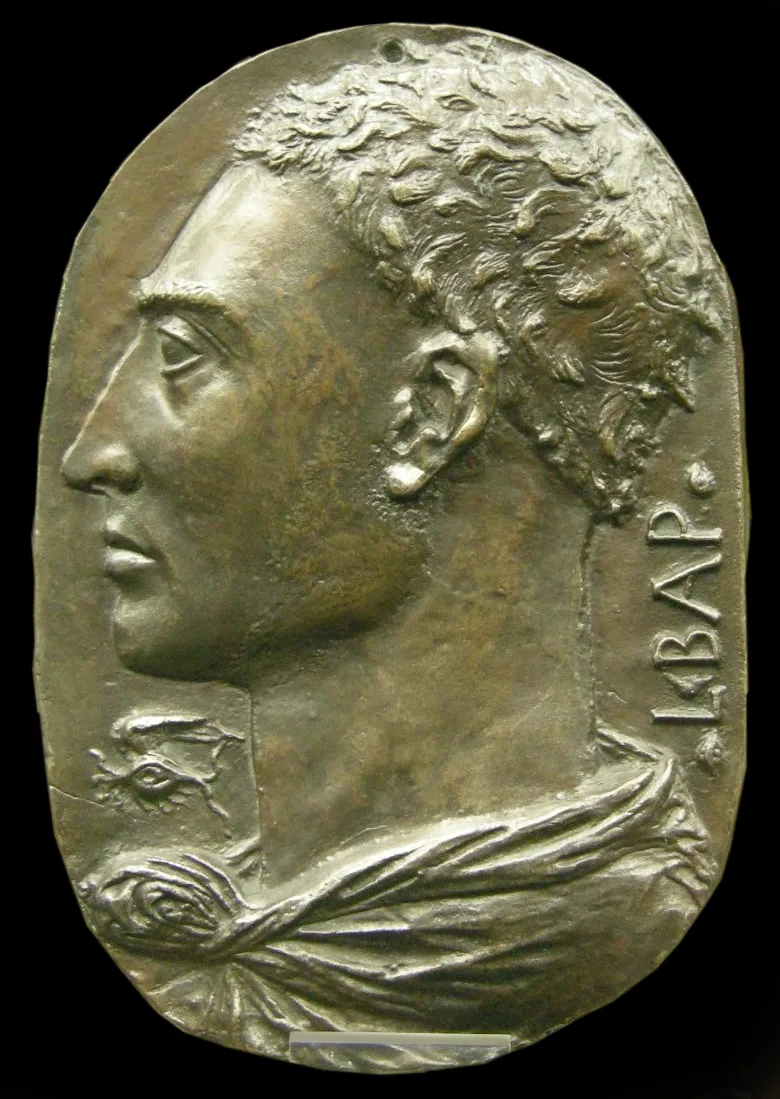
Leon Battista Alberti (Italian: [leombatˈtista alˈbɛɾti]; 14 February 1404 – 25 April 1472) was an Italian Renaissance humanist author, artist, architect, poet, priest, linguist, philosopher, and cryptographer; he epitomised the nature of those identified now as polymaths. He is considered the founder of European cryptography, a claim he shares with Johannes Trithemius. He is often considered primarily an architect. However, according to James Beck, "to single out one of Leon Battista's 'fields' over others as somehow functionally independent and self-sufficient is of no help at all to any effort to characterize Alberti's extensive explorations in the fine arts". Although Alberti is known mostly as an artist, he was also a mathematician and made significant contributions to that field. Among the most famous buildings he designed are the churches of San Sebastiano (1460) and Sant'Andrea (1472), both in Mantua. Alberti's life was told in Giorgio Vasari's Lives of the Most Excellent Painters, Sculptors, and Architects.
Quick facts about Leon Battista Alberti
- Full name: Leon Battista Alberti
- Born: 1404-02-23
- Nationality: Republic of Genoa
- Known as: Creator
- Wikidata ID: Q182046
Profile compiled from public Wikipedia and Wikidata data. Details can change over time.
Frequently asked questions
Who is Leon Battista Alberti?
Leon Battista Alberti (Italian: [leombatˈtista alˈbɛɾti]; 14 February 1404 – 25 April 1472) was an Italian Renaissance humanist author, artist, architect, poet, priest, linguist, philosopher, and cryptographer; he epitomised the nature of those identified now as polymaths.
What nationality is Leon Battista Alberti?
Leon Battista Alberti is Republic of Genoa.
When was Leon Battista Alberti born?
Leon Battista Alberti was born on 1404-02-23.
Sources
More in Gaming & Internet
Keep reading