Bonnie and Clyde: The True Crime Story and Key Facts
Bonnie and Clyde: Bank robbers in the 1930s. The documented story, timeline and key facts of the case.
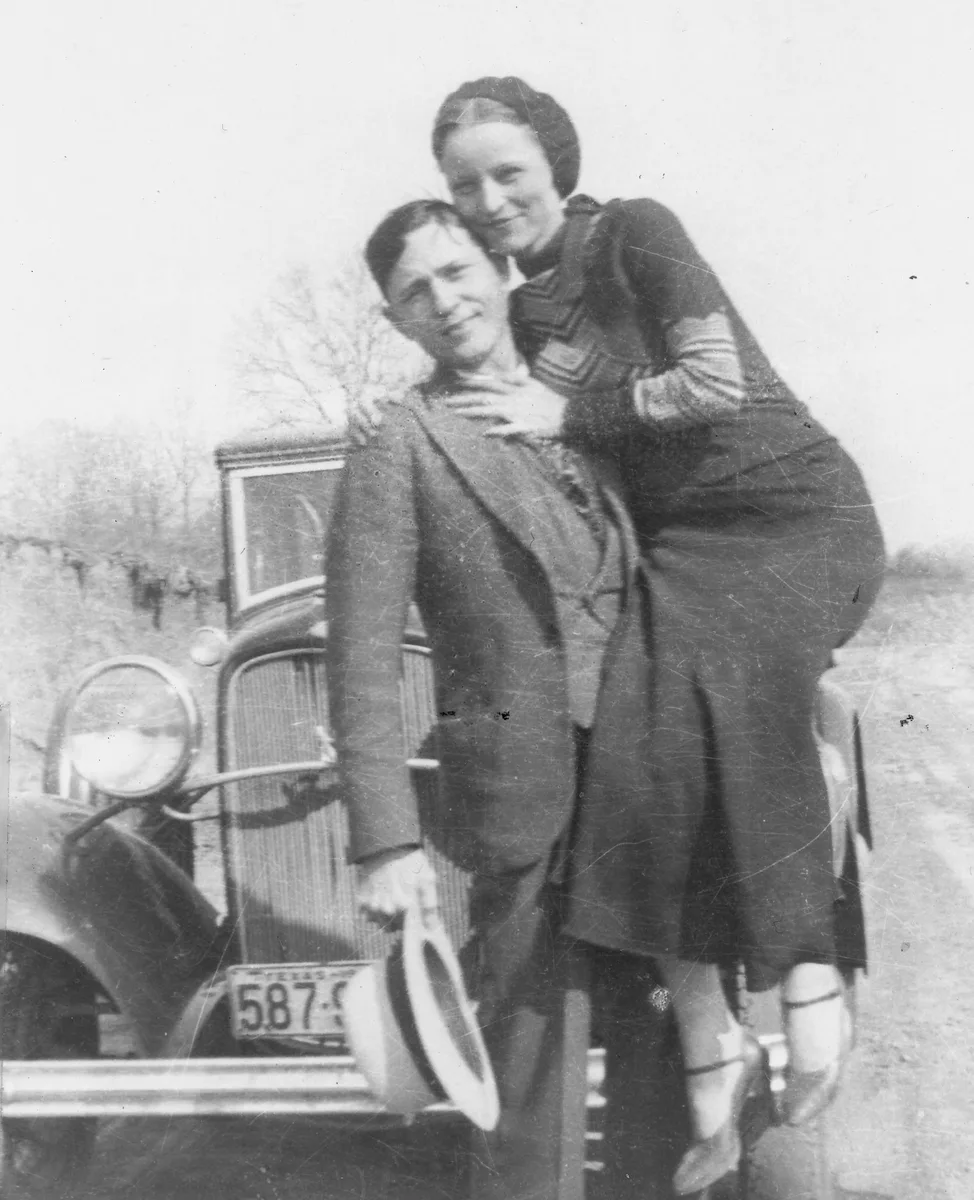
Bonnie Elizabeth Parker and Clyde Chestnut "Champion" Barrow were outlaws who traveled the Central United States with their gang during the Great Depression, committing a series of criminal acts such as bank robberies, kidnappings and murders between 1932 and 1934. The couple were known for their bank robberies and multiple murders, although they preferred to rob small stores or rural gas stations. Their exploits captured the attention of the American press and its readership during what is occasionally referred to as the "public enemy era" between 1931 and 1934. On May 23, 1934, they were ambushed and killed on Louisiana Highway 154 in Bienville Parish, Louisiana, by a law enforcement posse led by retired Texas Ranger Frank Hamer. They are believed to have murdered at least nine police officers and three civilians.
Why the case is remembered
The Bonnie and Clyde story remains one of the most discussed entries in true-crime history, covered in documentaries, podcasts and books. The summary above follows the publicly documented record.
Text adapted from Wikipedia (CC BY-SA 4.0). Facts reflect the documented public record.
Frequently asked questions
Who is Bonnie and Clyde?
Bonnie Elizabeth Parker and Clyde Chestnut "Champion" Barrow were outlaws who traveled the Central United States with their gang during the Great Depression, committing a series of criminal acts such as bank robberies, kidnappings and murders between 1932 and 1934. The couple wer.
Why is the Bonnie and Clyde case famous?
It is one of the most documented bank robber cases, widely covered by true-crime media.
Sources
More in True Crime
Keep reading