Polish School of Posters: History and Key Facts
From the early 1950s to the late 1980s, the Polish School of Posters (Polish: Polska szkoła plakatu) was an artistic movement that used conceptual images to make outdoor posters.
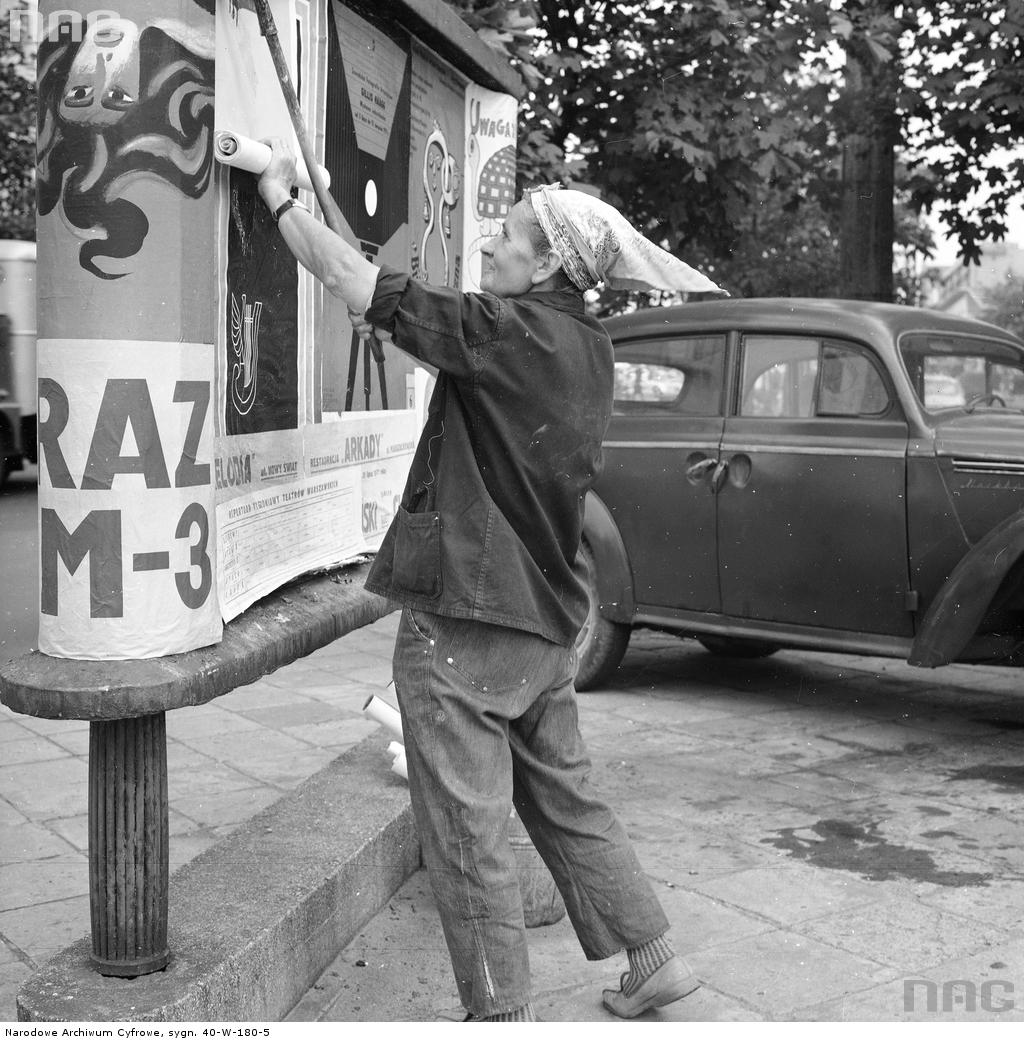
From the early 1950s to the late 1980s, the Polish School of Posters (Polish: Polska szkoła plakatu) was an artistic movement that used conceptual images to make outdoor posters. They were distributed throughout postwar communist Poland to publicise cultural events and film releases. Before printing could proceed, the poster artwork had to be approved by the state censorship agency. The prevailing circumstances brought about posters that were notably singular, which in turn, led to the international recognition of their creators.
The Polish School of Posters blurred the distinction between designer and illustrative artist. Above all, commissioned practitioners undertook the image-making of their own visual ideas. Pictorial economy was broadly championed, with succinct metaphors becoming a preferred way to communicate meaning. Though differing formal techniques were present throughout the movement, a vibrantly coloured painterly approach was frequently adopted, and the individuality of the images was emphasised by hand-lettered typography.
Source and attribution
Text excerpted from Polish School of Posters by Wikipedia contributors, available under Creative Commons Attribution-ShareAlike 4.0. The extract is abridged and formatting has been adjusted; the adapted text on this page is shared under the same licence. Revision history.
Sources
More in Movies
Keep reading