Hexaemeron: History and Key Facts
The term Hexaemeron (Greek: Ἡ Ἑξαήμερος Δημιουργία Hē Hexaēmeros Dēmiourgia), literally "six days," is used in one of two senses.
Sourced literary genres reference: history, people and documented cultural context.
Selections rotate about every minute. Loading more keeps this order.

The term Hexaemeron (Greek: Ἡ Ἑξαήμερος Δημιουργία Hē Hexaēmeros Dēmiourgia), literally "six days," is used in one of two senses.

The Western is a genre set in the American frontier and commonly associated with folk tales of the Western United States, particularly the Southwestern United States, as well as Northern Mexico a

A legend is a genre of folklore that consists of a narrative featuring human actions, believed or perceived to have taken place in human history.

A pasquinade or pasquil is a form of satire, usually an anonymous brief lampoon in verse or prose, and can also be seen as a form of literary caricature.

Autotheory is a literary tradition involving the combination of the narrative forms of autobiography, memoir, and critical theory.
The airport novel represents a literary genre that is defined not so much by its plot or cast of stock characters, but by the social function it serves.

In English drama, a domestic tragedy is a tragedy in which the tragic protagonists are ordinary middle-class or working-class individuals.
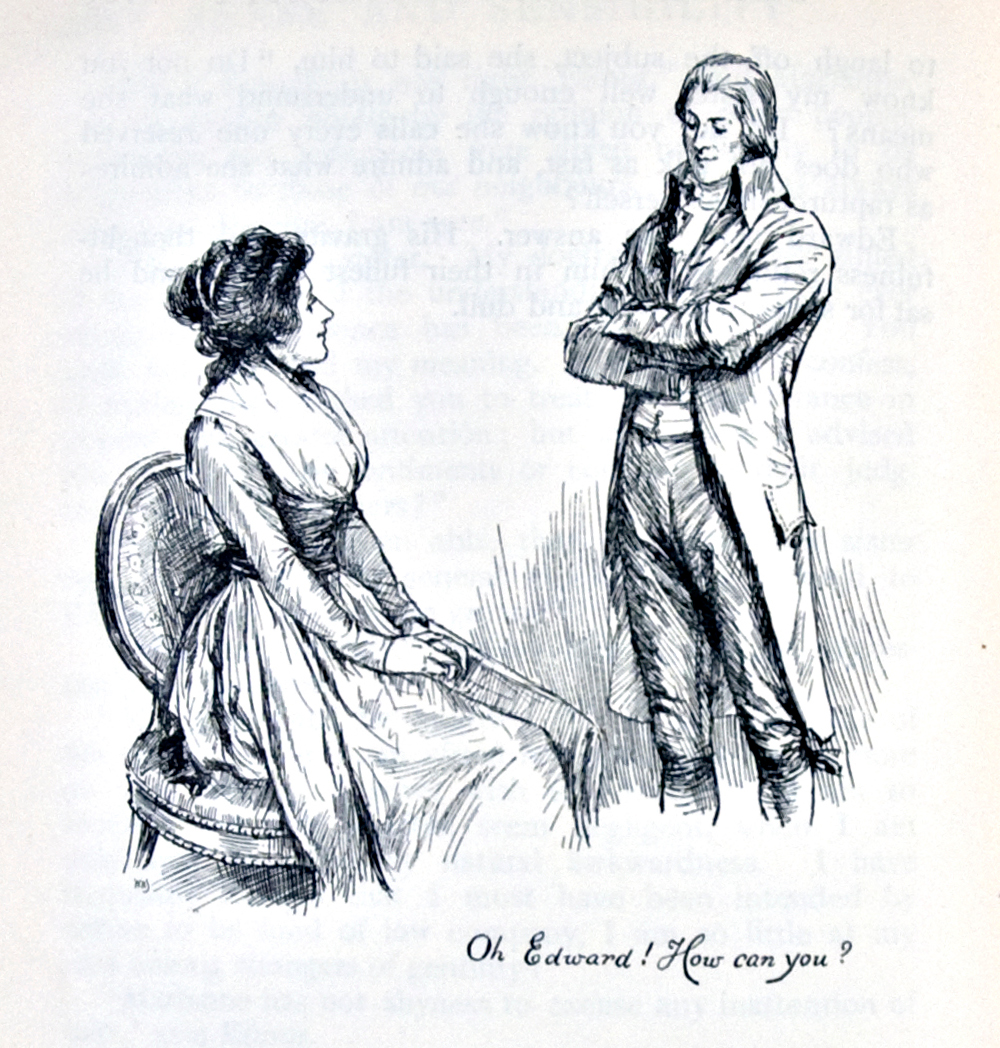
A romance, or romantic novel, is a genre of fiction in which the main narrative focuses on the development of a romantic relationship between two or more characters within a story, often concludi
The popular novel—or popular literature, also known as paraliterature—refers to literary productions that reach a wide readership, which developed during the 19th century primarily due to the dec

Domestic noir is a literary subgenre within crime fiction.
Collage novel is used by different writers and readers to describe three different kinds of novel: 1) a form of artist's book approaching closely (but preceding) the graphic novel; 2) a literary

The qaṣīda (also spelled qaṣīdah; plural qaṣā’id) is an ancient Arabic word and form of poetry, often translated as ode.

The Bloodhound was an imprint of Duell, Sloan & Pearce for the publishing of its suspense, crime, and detective fiction novels.

Nordic noir, also known as Scandinavian noir, is a genre of crime fiction usually written from a police point of view and set in Scandinavia or the Nordic countries.
Writing about gardens takes a variety of literary forms, ranging from instructional manuals on horticulture and garden design, to essays on gardening, to novels.
Lad lit was a term used principally from the 1990s to the early 2010s to describe male-authored popular novels about young men and their emotional and personal lives.
A varsity novel is a novel whose main action is set in and around the campus of a university and focuses on students rather than faculty.
Climate fiction (sometimes shortened to cli-fi) is literature that deals with climate change.

Amatory fiction is a genre of British literature that became popular during the late 17th century and early 18th century, approximately 1660–1730.
Pastoral science fiction is a subgenre of science fiction which uses bucolic, rural settings, like other forms of pastoral literature.

The Carnivalesque is a literary mode that subverts and liberates the assumptions of the dominant style or atmosphere through humor and chaos.
A short-story cycle (sometimes referred to as a story sequence or composite novel) is a collection of short stories in which the narratives are specifically composed and arranged with the goal of
Romanetto (romanetto in Czech) is a literary genre popularized by the Czech writer Jakub Arbes.
As a literary mode, sentimentalism, the practice of being sentimental, and thus tending towards making emotions and feelings the basis of a person's actions and reactions, as opposed to reason, h
Ukiyo-zōshi (浮世草子; "books of the floating world") is the first major genre of popular Japanese fiction, written between the 1680s and 1770s in Kyoto and Osaka.
Ghazal is a form of amatory poem or ode, originating in Arabic poetry and a predominant form in Persian Poetry, that often deals with topics of spiritual and romantic love.

The slave narrative is a type of literary genre involving the (written) autobiographical accounts of enslaved persons, particularly black Africans enslaved in the Americas, though many other exam

Grotesque is an adjective often used to describe weird shapes and distorted forms such as Halloween masks.

A roman à clef ( roh-MON ə KLAY; French: [ʁɔmɑ̃n‿a kle]; lit.
Grunge lit (an abbreviation for "grunge literature") is an Australian literary genre usually applied to fictional or semi-autobiographical writing concerned with dissatisfied and disenfranchised
The biographical novel is a genre of novel which provides a fictional account of a contemporary or historical person's life.
Whore dialogues are a literary genre of the Renaissance and the Enlightenment and a type of erotic fiction.
The libertine novel was an 18th-century literary genre of which the roots lay in the European but mainly French libertine tradition.
An autobiographical novel, also known as an autobiographical fiction, fictional autobiography, or autobiographical fiction novel, is a type of novel which uses autofiction techniques, or the merg
A literary genre is a category of literature.
Paranormal romance is a subgenre of both romantic fiction and speculative fiction.
Epistolography, or the art of writing letters, is a genre of Byzantine literature similar to rhetoric that was popular with the intellectual elite of the Byzantine age.
The historical mystery or historical whodunit is a subgenre of two literary genres, historical fiction and mystery fiction.
Portal fantasy, also called portal-quest fantasy, gateway fantasy or crossworld fantasy, is a subgenre of speculative fiction, particularly fantasy fiction and science fiction, that hinges upon t
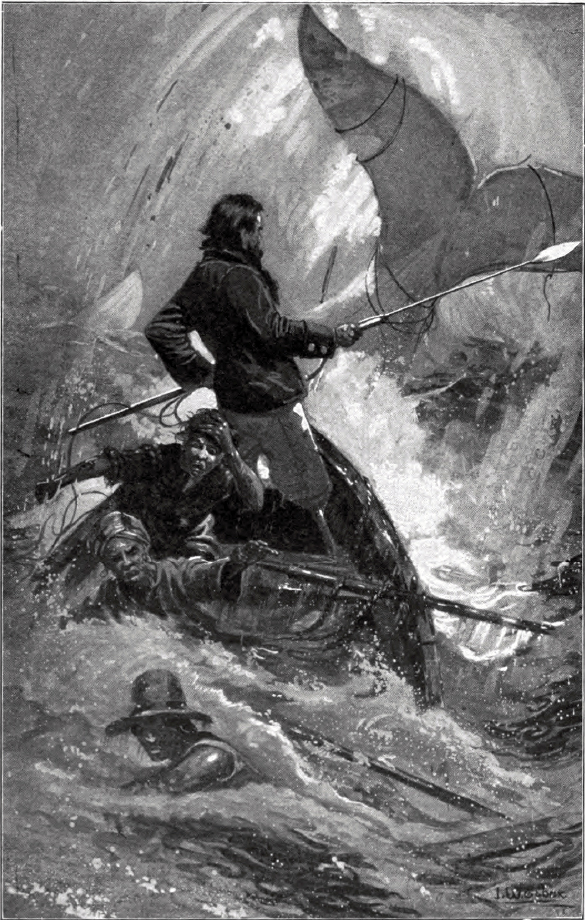
Nautical fiction, frequently also naval fiction, sea fiction, naval adventure fiction or maritime fiction, is a genre of literature with a setting on or near the sea, that focuses on the human re