Comédia à portuguesa: History and Key Facts
Comédia à portuguesa (Portuguese pronunciation: [kuˈmɛðjɐ a puɾtuˈɣezɐ]; Portuguese Comedy) is a term conventionally used to refer to the genre of popular Portuguese film comedies made in the 193
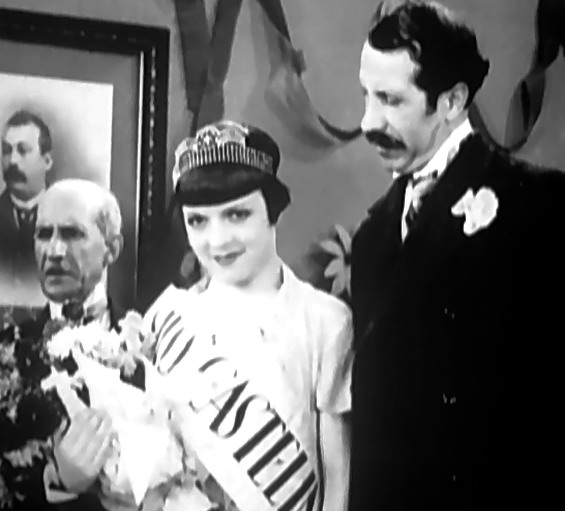
Comédia à portuguesa (Portuguese pronunciation: [kuˈmɛðjɐ a puɾtuˈɣezɐ]; Portuguese Comedy) is a term conventionally used to refer to the genre of popular Portuguese film comedies made in the 1930s and 1940s. The light-hearted comedies are predominantly set in petit-bourgeois milieus in traditional Lisbon neighbourhoods and are often accompanied by musical performances, mainly light music, fados or folk songs. The popular revue (teatro de revista), the national equivalent of the North American vaudeville or the British music hall, had a marked influence over the comédia à portuguesa, including the talents of the actors, writers, and musicians.
The Song of Lisbon ("A Canção de Lisboa", 1933), the first sound feature film fully produced in Portugal, is considered to be the first style-defining comédia à portuguesa. This and a number of subsequent films are still popular in Portugal today, and the term comédia à portuguesa has become an enduring common term for the successful classic comedies of Portuguese cinema.
Source and attribution
Text excerpted from Comédia à portuguesa by Wikipedia contributors, available under Creative Commons Attribution-ShareAlike 4.0. The extract is abridged and formatting has been adjusted; the adapted text on this page is shared under the same licence. Revision history.
Sources
More in Movies
Keep reading


