Vampire film: History and Key Facts
Vampire films have been a staple in world cinema since the era of silent films, so much so that the depiction of vampires in popular culture is strongly based upon their depiction in films throug
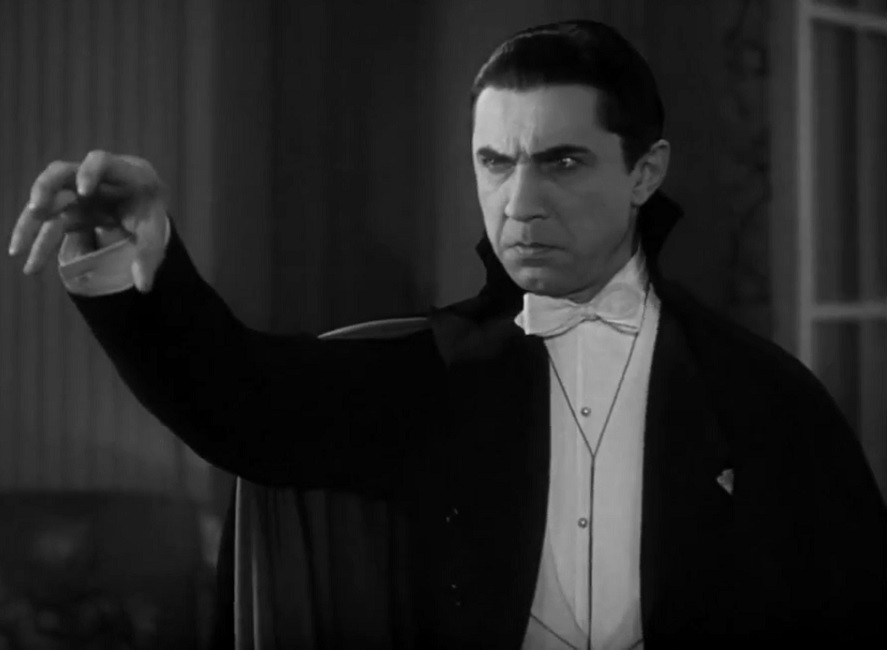
Vampire films have been a staple in world cinema since the era of silent films, so much so that the depiction of vampires in popular culture is strongly based upon their depiction in films throughout the years. The most popular cinematic adaptation of vampire fiction has been from Bram Stoker's 1897 novel Dracula, with over 170 versions to date. Running a distant second are adaptations of the 1872 novel Carmilla by Sheridan Le Fanu.
As folklore, vampires are defined by their need to feed on blood and on their manipulative nature; this theme has been held in common throughout the many adaptations. Although vampires are usually associated with the horror (and sometimes the zombie genre), vampire films may also fall into the drama, action, science fiction, romance, comedy or fantasy genres, amongst others.
Source and attribution
Text excerpted from Vampire film by Wikipedia contributors, available under Creative Commons Attribution-ShareAlike 4.0. The extract is abridged and formatting has been adjusted; the adapted text on this page is shared under the same licence. Revision history.
Sources
More in Movies
Keep reading