Philip Bliss: Biography, Facts and Career
Who is Philip Bliss? An evergreen, sourced profile: biography, key facts and career.
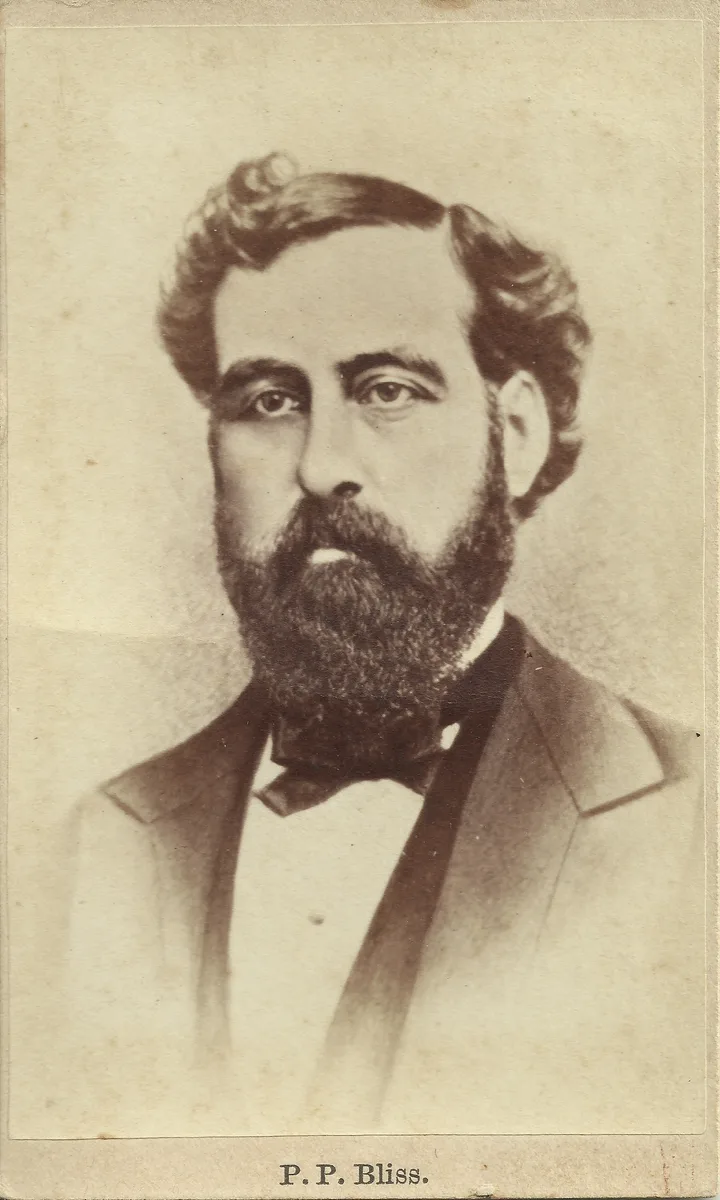
Philip Paul Bliss (July 9, 1838 – December 29, 1876) was an American composer of gospel songs, baritone-bass singer, and song leader who collaborated with Daniel W. Whittle in evangelistic ministry; he was also a good friend of Dwight L. Moody. Some of his better-known songs are "Hold the Fort" (1870), "Almost Persuaded" (1871); "Let the Lower Lights Be Burning" (1871); "Hallelujah, What a Saviour!" (1875); "Wonderful Words of Life" (1875), and "I Will Sing of My Redeemer" (1876); he also wrote the melody for Horatio Spafford's "It Is Well with My Soul" (1876). With a surname derived from a Middle English word meaning "joy" or "gladness", Philip was a man who lived up to his name. Those who knew him well, like George F. Root, a close friend and one-time employer, could say of him, "His smile went into his religion and his religion into his smile", while Arthur T. Pierson, successor to Charles H. Spurgeon at the Metropolitan Tabernacle of London, testified that "he was well named 'Bliss'. What a happy man he was! What a ray of sunshine, what a spring of joy!"
Quick facts about Philip Bliss
- Full name: Philip Bliss
- Born: 1838-07-09
- Nationality: United States
- Known as: Musician
- Wikidata ID: Q898625
Profile compiled from public Wikipedia and Wikidata data. Details can change over time.
Frequently asked questions
Who is Philip Bliss?
Philip Paul Bliss (July 9, 1838 – December 29, 1876) was an American composer of gospel songs, baritone-bass singer, and song leader who collaborated with Daniel W.
What nationality is Philip Bliss?
Philip Bliss is United States.
When was Philip Bliss born?
Philip Bliss was born on 1838-07-09.
Sources
More in Music
Keep reading