Ferenc Molnár: Biography and Background
Ferenc Molnár (US: FERR-ents MOHL-nar, -ənts -, - MAWL-, Hungarian: [ˈfɛrɛnt͡s ˈmolnaːr]; born Ferenc Neumann; January 12, 1878 – April 1, 1952), often anglicized as Franz Molnar, was a Hungar
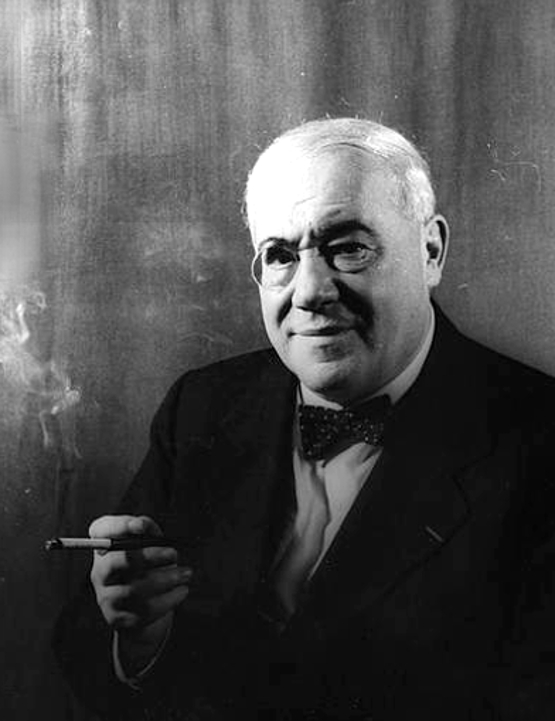
Ferenc Molnár (US: FERR-ents MOHL-nar, -ənts -, - MAWL-, Hungarian: [ˈfɛrɛnt͡s ˈmolnaːr]; born Ferenc Neumann; January 12, 1878 – April 1, 1952), often anglicized as Franz Molnar, was a Hungarian-born author, stage director, dramatist, and poet. He is widely regarded as Hungary's most celebrated and controversial playwright.
His primary aim through his writing was to entertain by transforming his personal experiences into literary works of art. While he never connected to any one literary movement, he did use the precepts of naturalism, neo-romanticism, expressionism, and Freudian psychoanalytic theories, so long as they suited his desires. According to Clara Györgyey, “By fusing the realistic narrative and stage tradition of Hungary with Western influences into a cosmopolitan amalgam, Molnár emerged as a versatile artist whose style was uniquely his own."
As a novelist, Molnár is perhaps remembered best for The Paul Street Boys, the story of two rival gangs of youths in Budapest. It has been translated into 42 languages and adapted for the stage and film. It has been considered a masterpiece by many.
However, it was as a playwright that he made his most significant contribution and how he is best known internationally. For Györgyey, "In his graceful, whimsical, sophisticated drawing-room comedies, he provided a felicitous synthesis of naturalism and fantasy, realism and romanticism, cynicism, and sentimentality, the profane and the sublime." Of his many plays, The Devil, Liliom, The Swan, The Guardsman, and The Play's the Thing endure as classics. His influences included luminaries such as Oscar Wilde, George Bernard Shaw, and Gerhart Hauptmann.
Source and attribution
Text excerpted from Ferenc Molnár by Wikipedia contributors, available under Creative Commons Attribution-ShareAlike 4.0. The extract is abridged and formatting has been adjusted; the adapted text on this page is shared under the same licence. Revision history.
Sources
More in Stage & Theatre
Keep reading