Stop motion: History and Key Facts
Stop motion (also known as stop frame animation or object animation) is an animated filmmaking and special effects technique in which objects are physically manipulated in small increments betwee
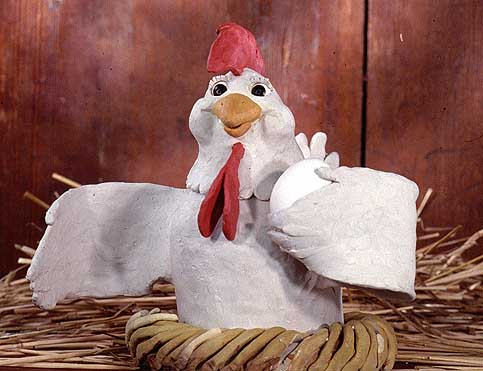
Stop motion (also known as stop frame animation or object animation) is an animated filmmaking and special effects technique in which objects are physically manipulated in small increments between individually photographed frames so that they will appear to exhibit independent motion or change when the series of frames is played back. Any kind of object can thus be animated, but puppets with movable joints (puppet animation) or clay figures (claymation) are most commonly used. Puppets, models or clay figures built around an armature are used in model animation. Stop motion with live actors is often referred to as pixilation. Stop motion of flat materials such as paper, fabrics or photographs is usually called cutout animation.
Source and attribution
Text excerpted from Stop motion by Wikipedia contributors, available under Creative Commons Attribution-ShareAlike 4.0. The extract is abridged and formatting has been adjusted; the adapted text on this page is shared under the same licence. Revision history.
Sources
More in Animation
Keep reading