The Angels Appearing to Abraham (1750s): Art, History and Details
The Angels Appearing to Abraham at the Cleveland Museum of Art: 1750s, oil on canvas. Explore the work's context, creator attribution and collection history.
Oldest entries first, in a fixed order. Newly added articles appear at the end. Explore a shuffled selection →

The Angels Appearing to Abraham at the Cleveland Museum of Art: 1750s, oil on canvas. Explore the work's context, creator attribution and collection history.

Abraham Welcoming the Three Angels at the Cleveland Museum of Art: 1750s, oil on canvas. Explore the work's context, creator attribution and collection history.

Roundel with figure at the Cleveland Museum of Art: 1000s, Linen and silk: plain weave with inwoven tapestry weave. Explore the work's context, creator attribution and collection history.
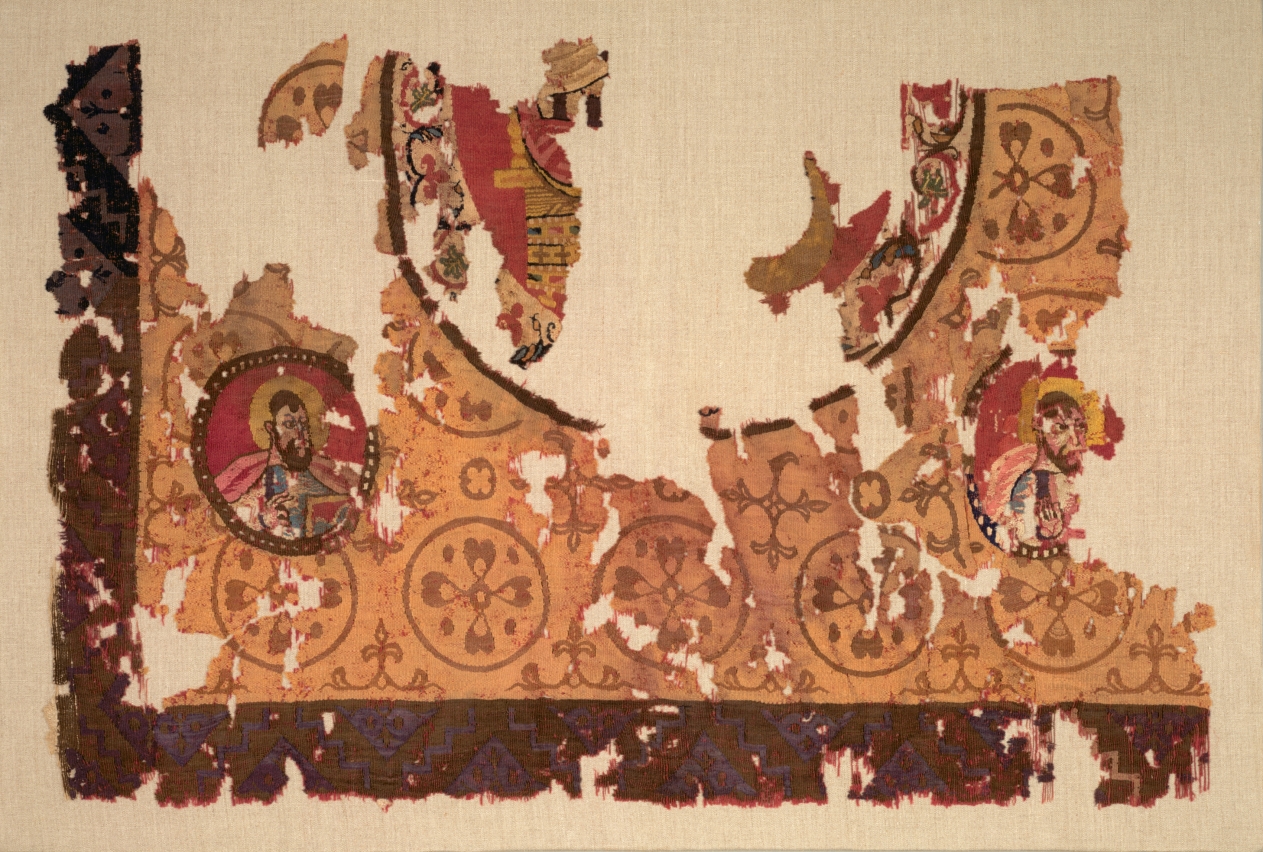
Fragmentary Icon Panel, Christ in Glory (?) and Evangelists at the Cleveland Museum of Art: 750 – 850, slit-and dovetailed-tapestry weave; wool. Explore the work's context, creator attribution and collection history.
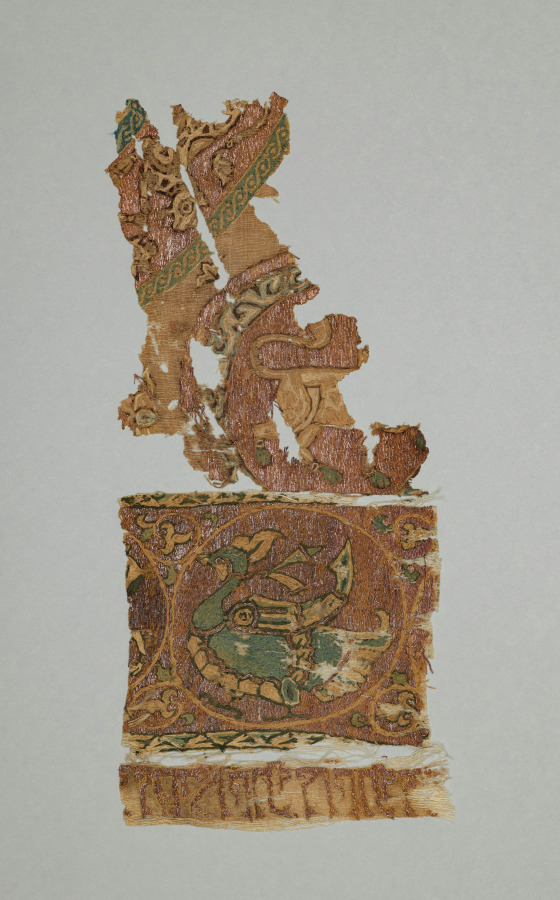
Embroidered border and field of animals in large roundels at the Cleveland Museum of Art: 1000s–1100s, plain weave: silk warp and cotton weft (mulham): plain weave; silk and gold thread: embroidery, couched, split, running, and outline stit
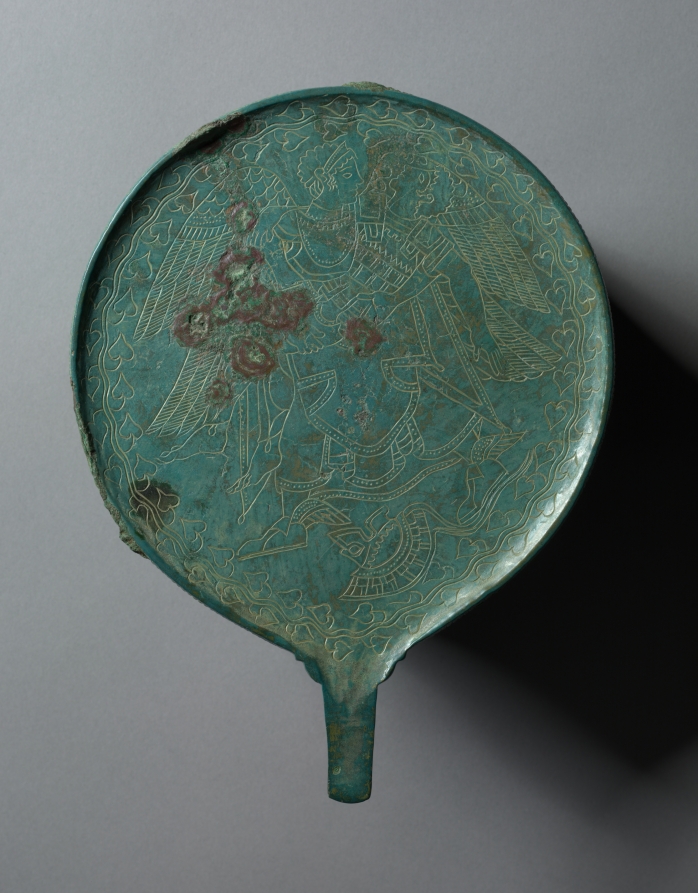
Mirror with Engraved Scene: Thesan and Memnun (Eos and Memnon) at the Cleveland Museum of Art: c. 470–460 BCE, bronze. Explore the work's context, creator attribution and collection history.
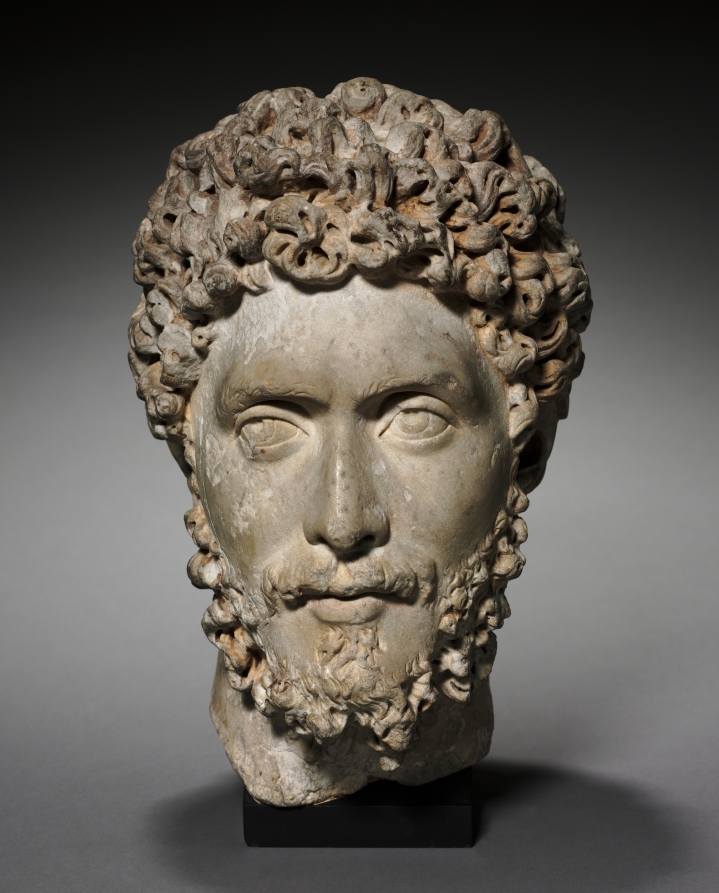
Portrait Head of a Noble or Official at the Cleveland Museum of Art: 175–200 CE, marble. Explore the work's context, creator attribution and collection history.
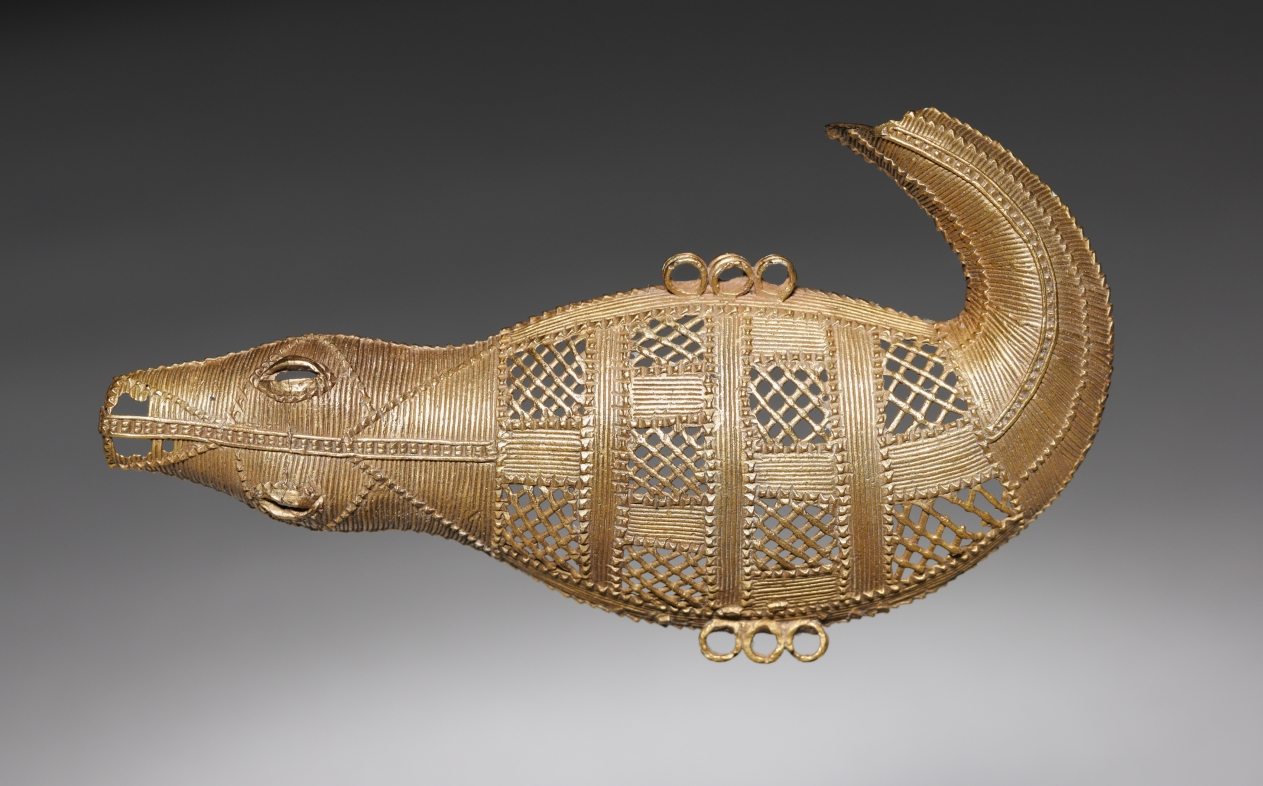
Pendant: Crocodile at the Cleveland Museum of Art: 1930 or earlier, Gold. Explore the work's context, creator attribution and collection history.
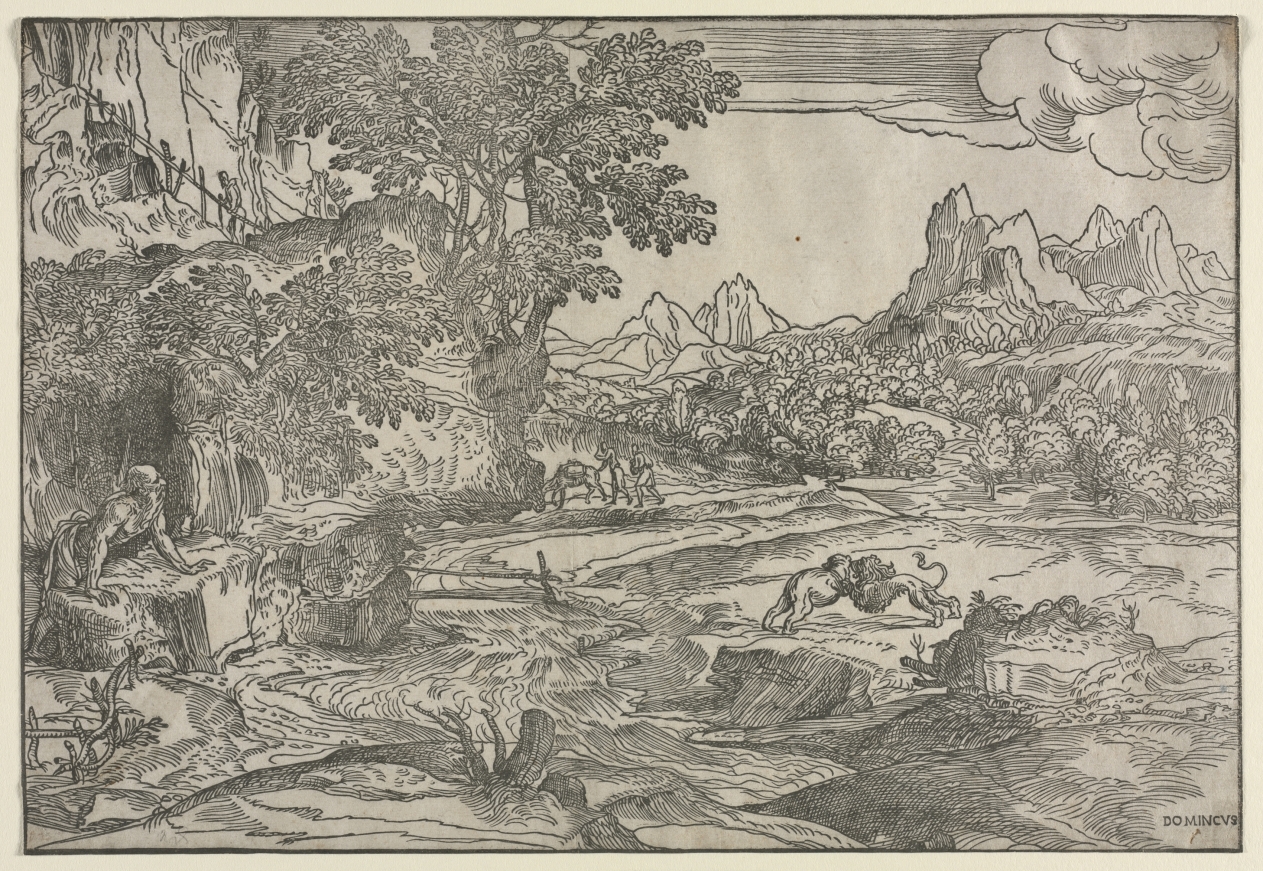
Landscape with Saint Jerome and Two Lions at the Cleveland Museum of Art: c. 1530–35, woodcut. Explore the work's context, creator attribution and collection history.
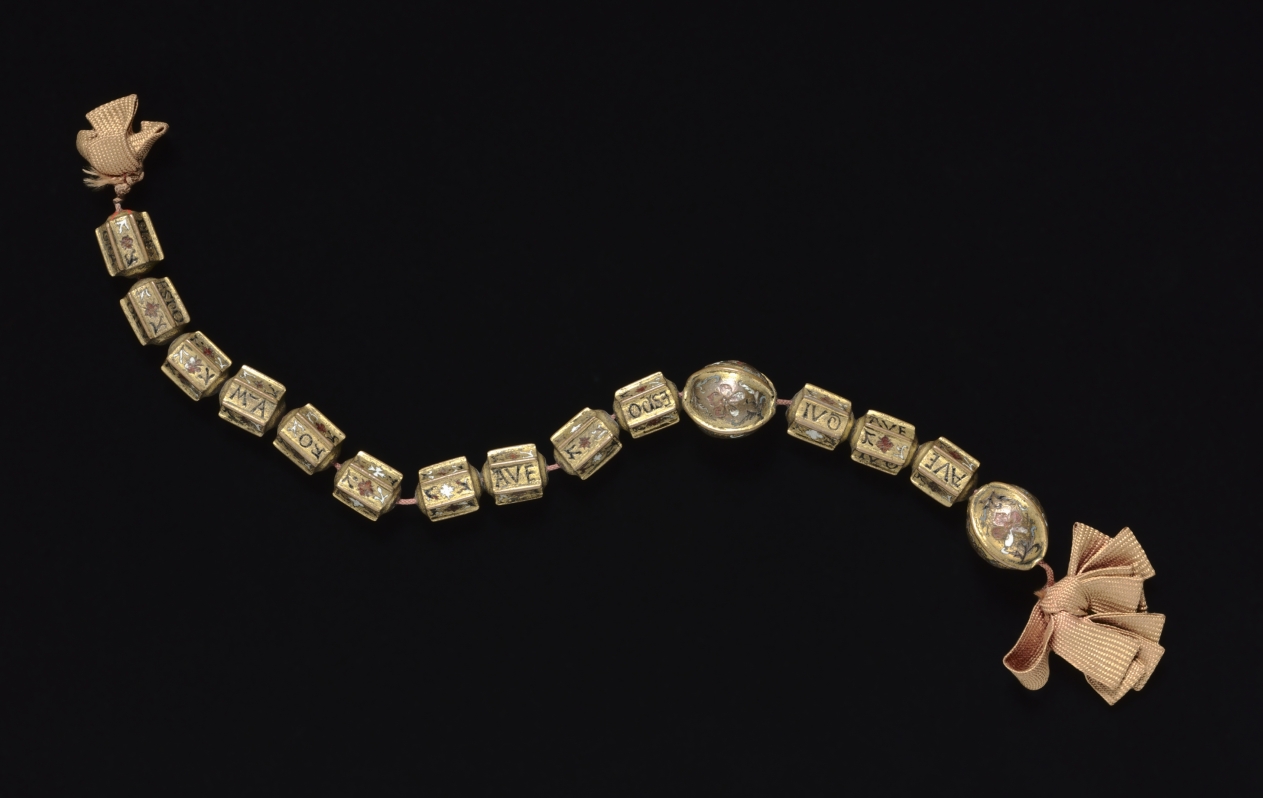
Beads from a Rosary at the Cleveland Museum of Art: early 1500s, gilt copper with champlevé enamel. Explore the work's context, creator attribution and collection history.

Historiated Initial (E) Excised from a Gradual: Adoration of the Magi at the Cleveland Museum of Art: c. 1200–1240, ink, tempera, and gold on parchment. Explore the work's context, creator attribution and collection history.

Single Leaf from an Antiphonary: Initial H[odie nobis] with The Nativity at the Cleveland Museum of Art: 1471, ink, tempera, and gold on parchment. Explore the work's context, creator attribution and collection history.
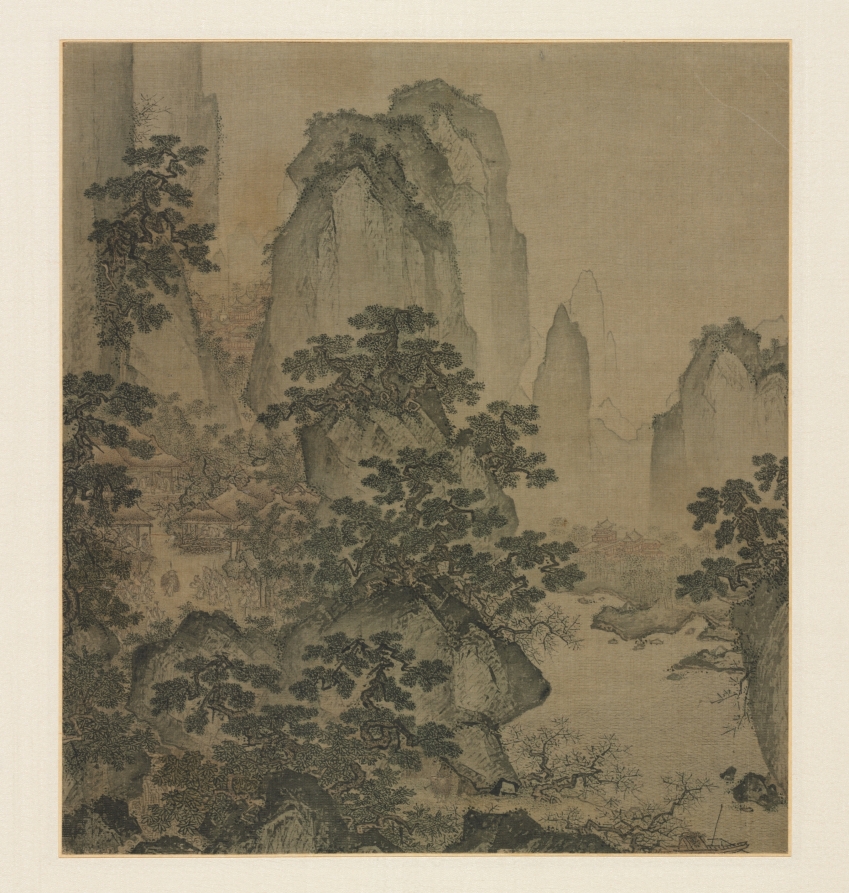
The Haven of the Peach-Blossom Spring at the Cleveland Museum of Art: mid-1400s, Album leaf; ink and slight color on silk. Explore the work's context, creator attribution and collection history.

Landscape with Flying Geese at the Cleveland Museum of Art: mid-1200s, Album leaf; ink and slight color on silk. Explore the work's context, creator attribution and collection history.
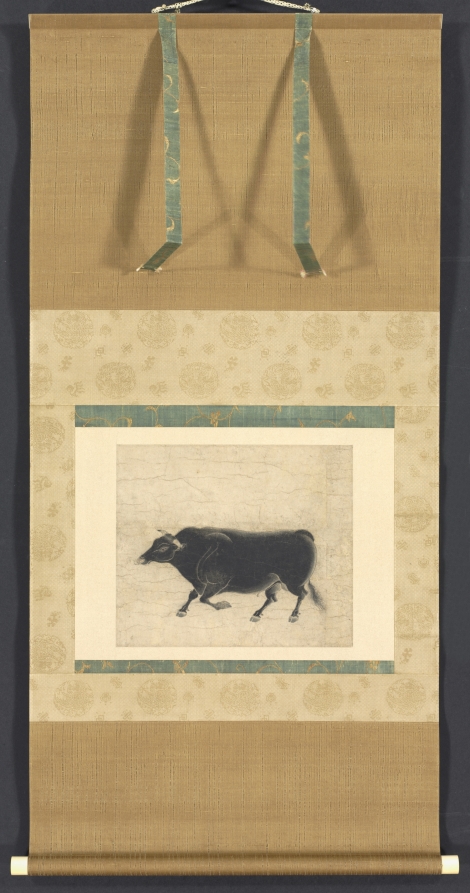
Swift Bull from the Ten Swift Bulls at the Cleveland Museum of Art: late 1200s–early 1300s, section of a handscroll mounted as a hanging scroll; ink and slight color on paper. Explore the work's context, creator attribution and collection h
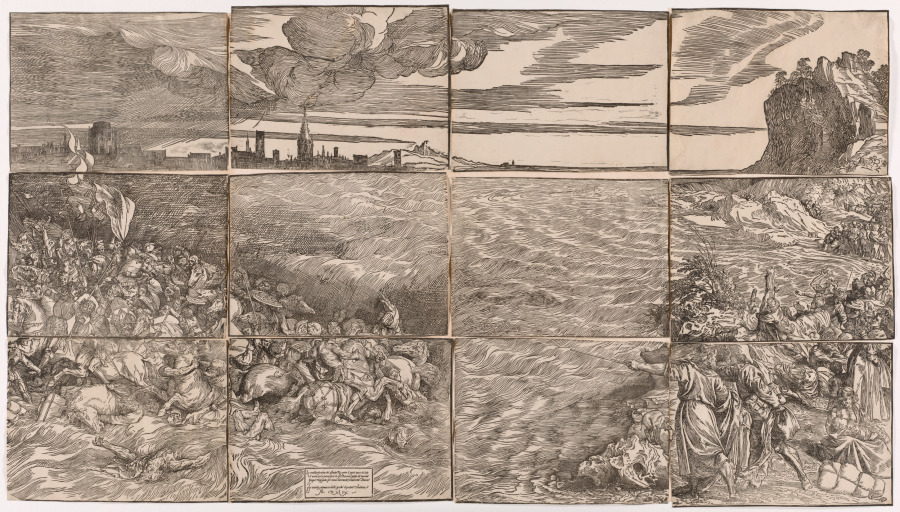
The Submersion of Pharaoh's Army in the Red Sea at the Cleveland Museum of Art: 1514–15, printed 1549, woodcut. Explore the work's context, creator attribution and collection history.
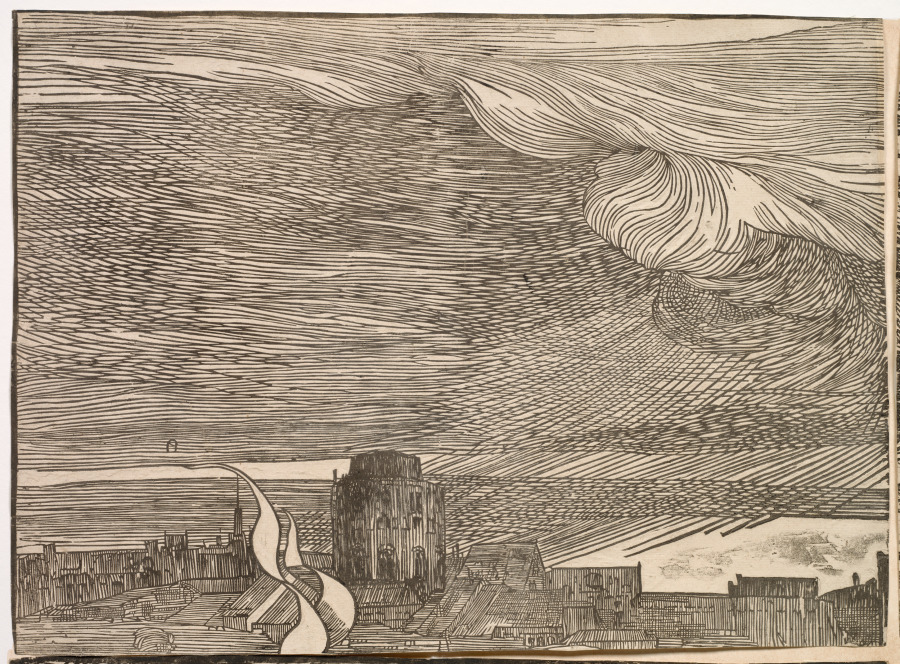
The Submersion of Pharaoh's Army in the Red Sea at the Cleveland Museum of Art: 1514–15, printed 1549, woodcut. Explore the work's context, creator attribution and collection history.
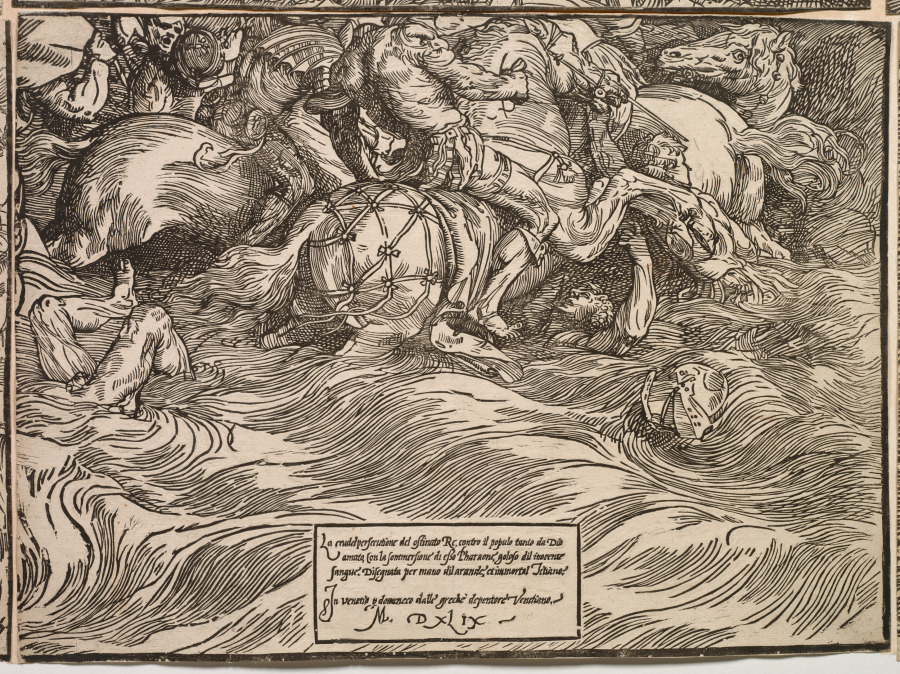
The Submersion of Pharaoh's Army in the Red Sea at the Cleveland Museum of Art: 1514–15, printed 1549, woodcut. Explore the work's context, creator attribution and collection history.
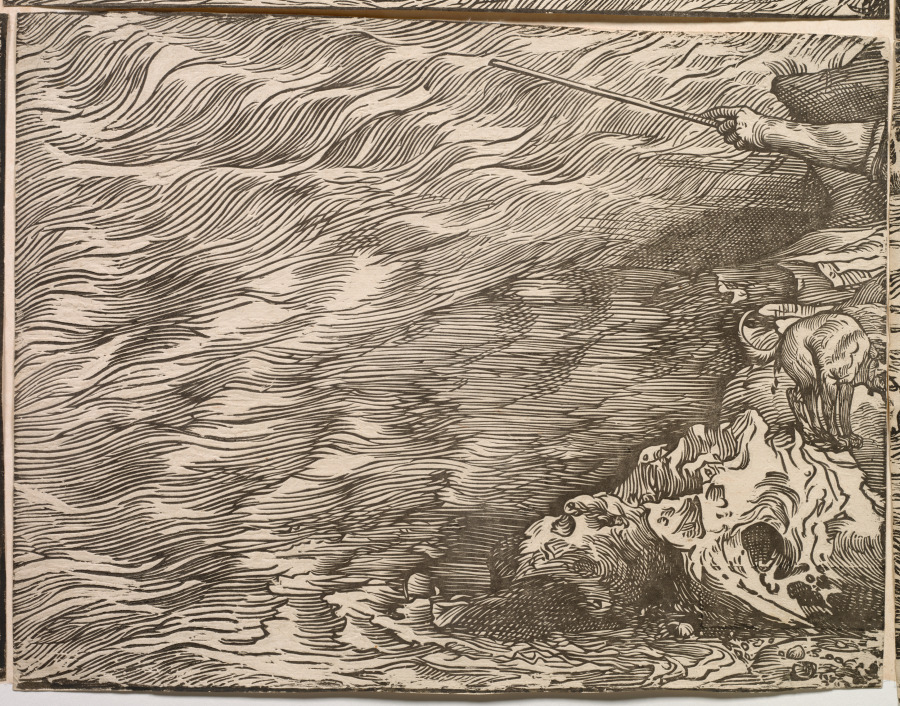
The Submersion of Pharaoh's Army in the Red Sea at the Cleveland Museum of Art: 1514–15, printed 1549, woodcut. Explore the work's context, creator attribution and collection history.

The Submersion of Pharaoh's Army in the Red Sea at the Cleveland Museum of Art: 1514–15, printed 1549, woodcut. Explore the work's context, creator attribution and collection history.
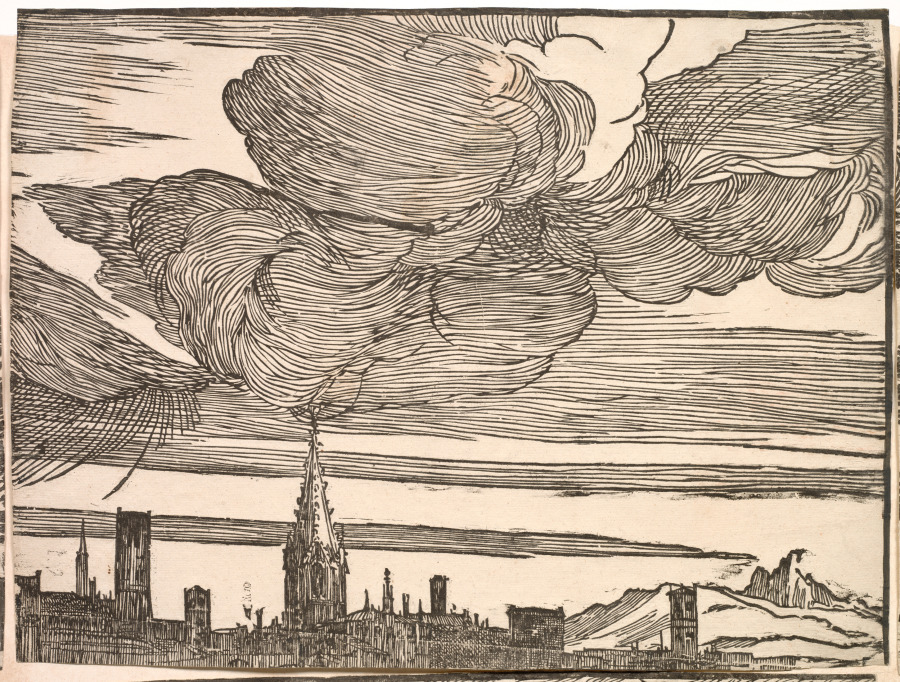
The Submersion of Pharaoh's Army in the Red Sea at the Cleveland Museum of Art: 1514–15, printed 1549, woodcut. Explore the work's context, creator attribution and collection history.
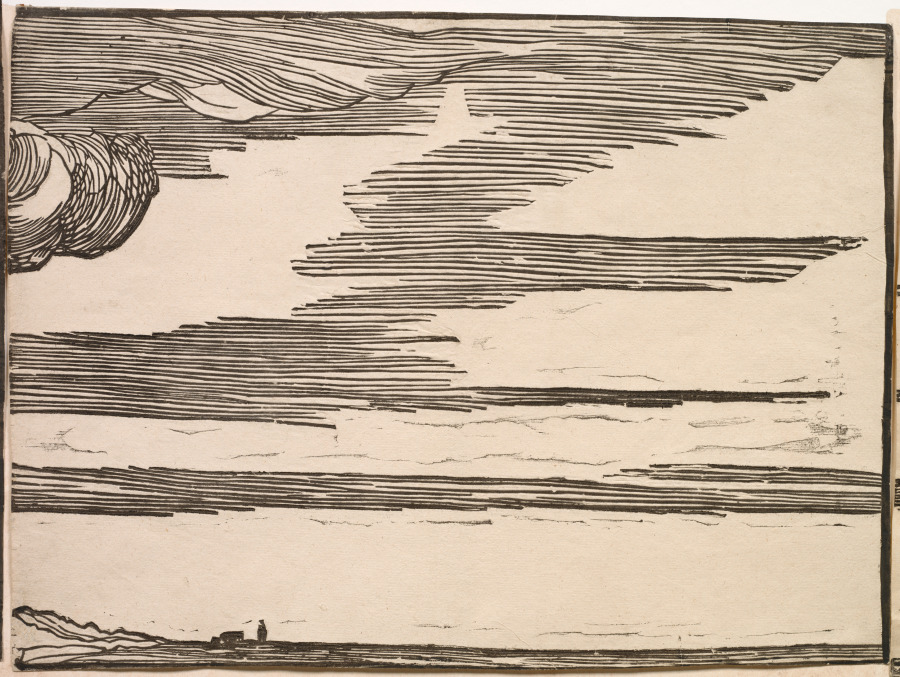
The Submersion of Pharaoh's Army in the Red Sea at the Cleveland Museum of Art: 1514–15, printed 1549, woodcut. Explore the work's context, creator attribution and collection history.
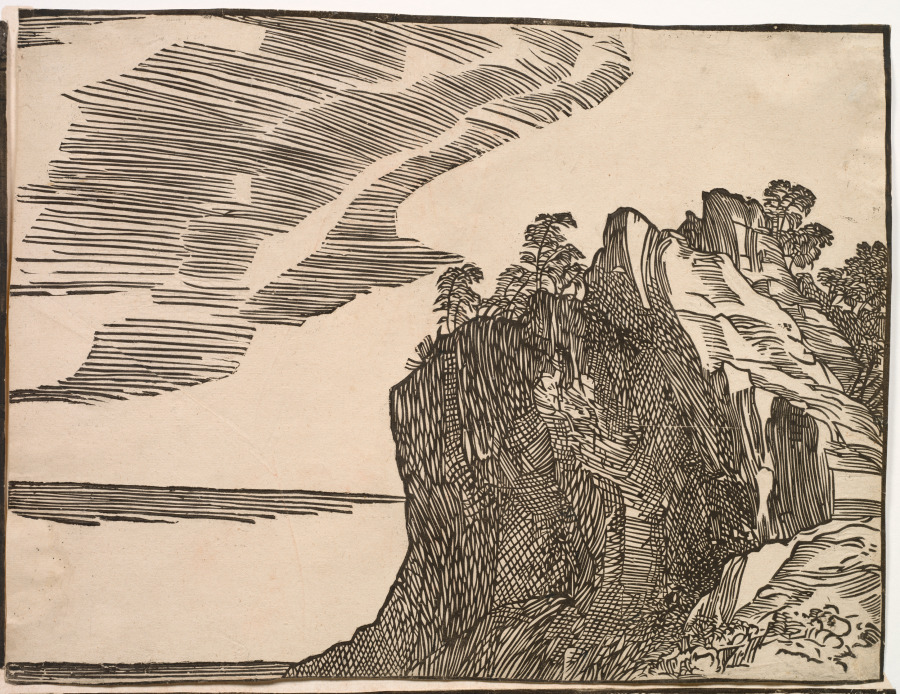
The Submersion of Pharaoh's Army in the Red Sea at the Cleveland Museum of Art: 1514–15, printed 1549, woodcut. Explore the work's context, creator attribution and collection history.

The Submersion of Pharaoh's Army in the Red Sea at the Cleveland Museum of Art: 1514–15, printed 1549, woodcut. Explore the work's context, creator attribution and collection history.
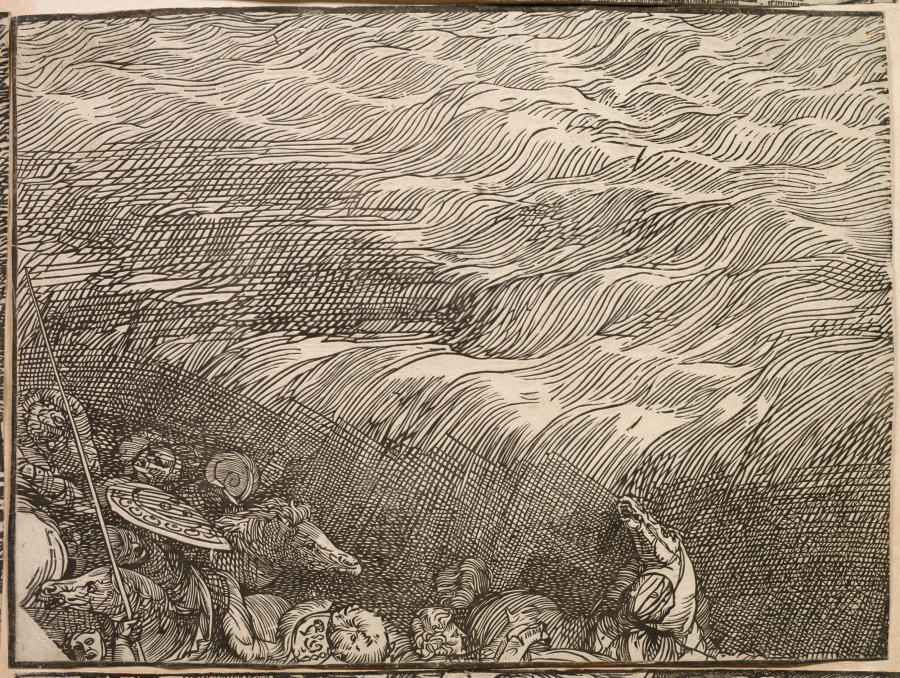
The Submersion of Pharaoh's Army in the Red Sea at the Cleveland Museum of Art: 1514–15, printed 1549, woodcut. Explore the work's context, creator attribution and collection history.

The Submersion of Pharaoh's Army in the Red Sea at the Cleveland Museum of Art: 1514–15, printed 1549, woodcut. Explore the work's context, creator attribution and collection history.

The Submersion of Pharaoh's Army in the Red Sea at the Cleveland Museum of Art: 1514–15, printed 1549, woodcut. Explore the work's context, creator attribution and collection history.

The Submersion of Pharaoh's Army in the Red Sea at the Cleveland Museum of Art: 1514–15, printed 1549, woodcut. Explore the work's context, creator attribution and collection history.

Berthe Morisot in Black at the Cleveland Museum of Art: about 1872–74; printed 1884, lithograph on wove paper. Explore the work's context, creator attribution and collection history.
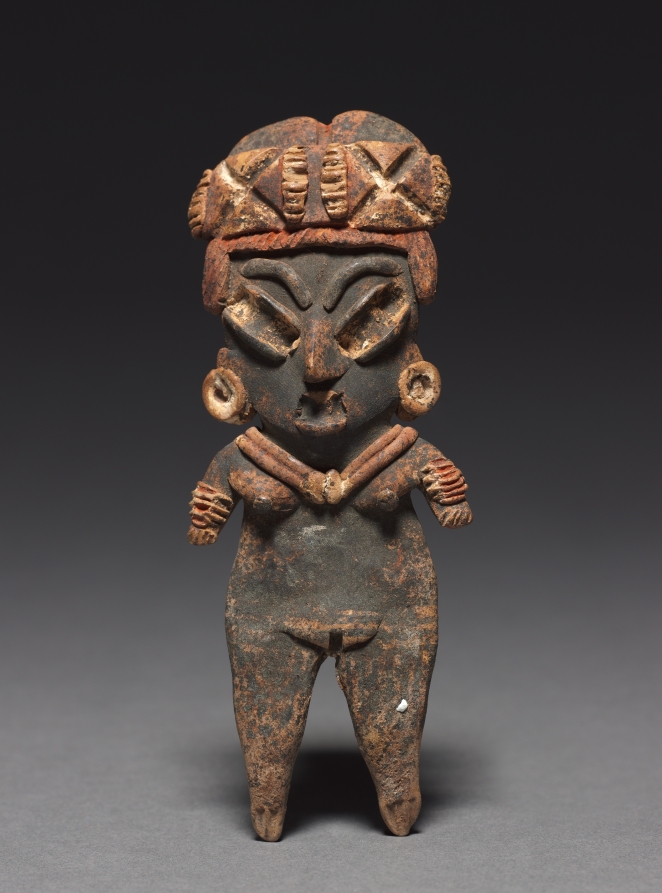
Archaic Figurine at the Cleveland Museum of Art: 400–100 BCE, earthenware with pigments. Explore the work's context, creator attribution and collection history.

Standing Female Figurine at the Cleveland Museum of Art: 1200–400 BCE, Ceramic, pigment. Explore the work's context, creator attribution and collection history.
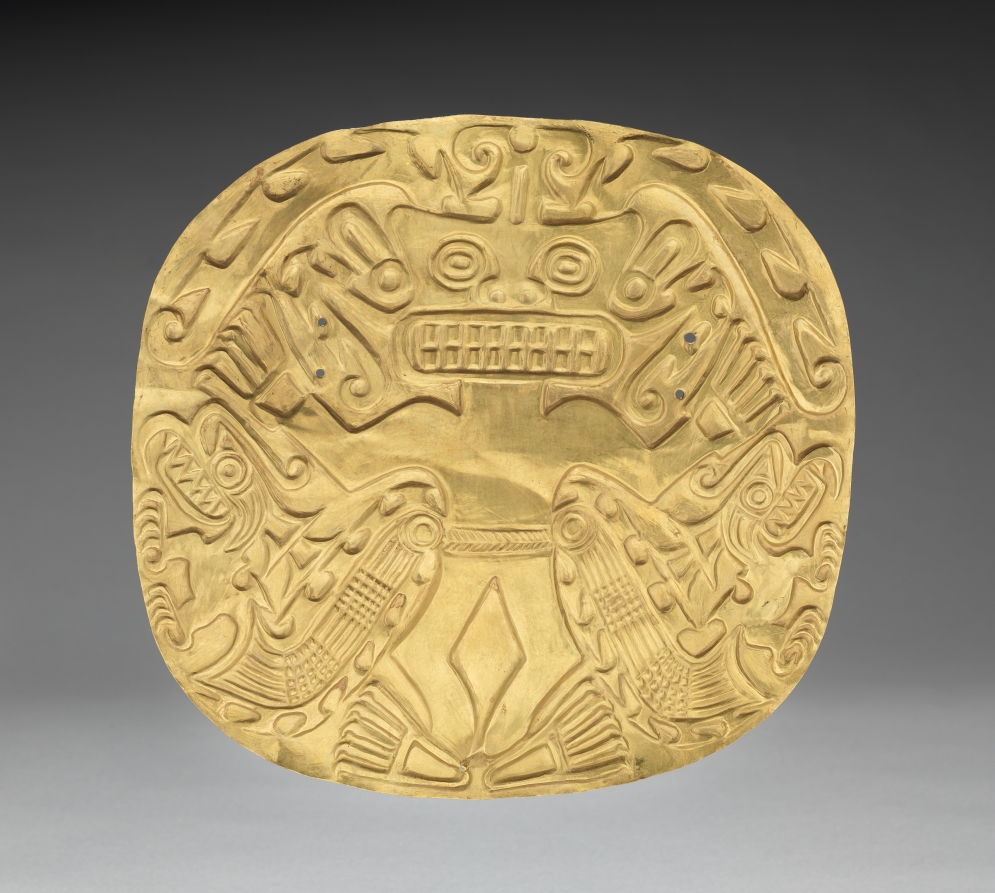
Pectoral (Chest Plaque) at the Cleveland Museum of Art: 400–900, gold alloy. Explore the work's context, creator attribution and collection history.
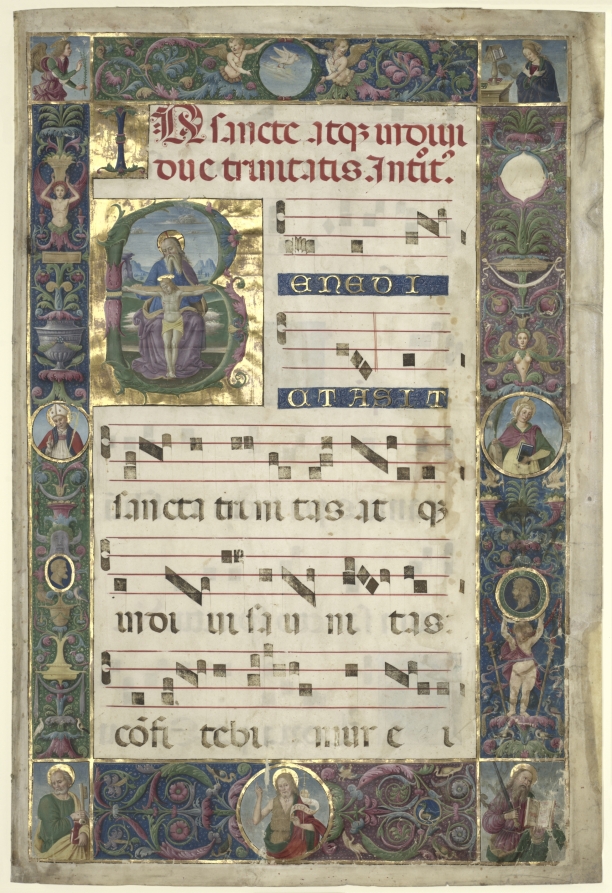
The Trinity: Leaf from a Gradual with Initial B at the Cleveland Museum of Art: c. 1496–1502, ink, tempera, and gold on parchment. Explore the work's context, creator attribution and collection history.

Plaque Pair: Simon and Thaddaeus and Thomas and Matthew at the Cleveland Museum of Art: c. 1160, gilded copper, champlevé enamel. Explore the work's context, creator attribution and collection history.
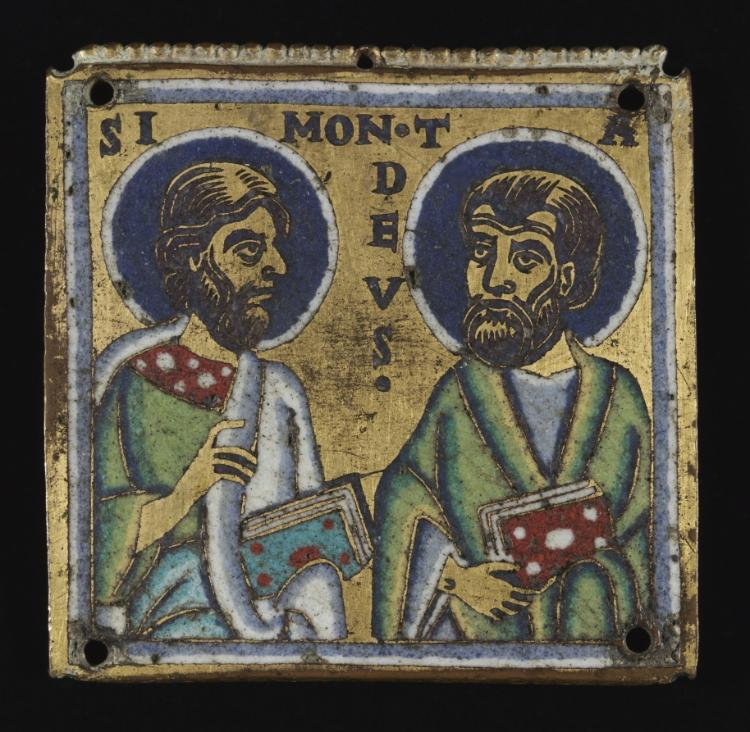
Plaque: Simon and Thaddaeus at the Cleveland Museum of Art: c. 1160, gilded copper, champlevé enamel. Explore the work's context, creator attribution and collection history.
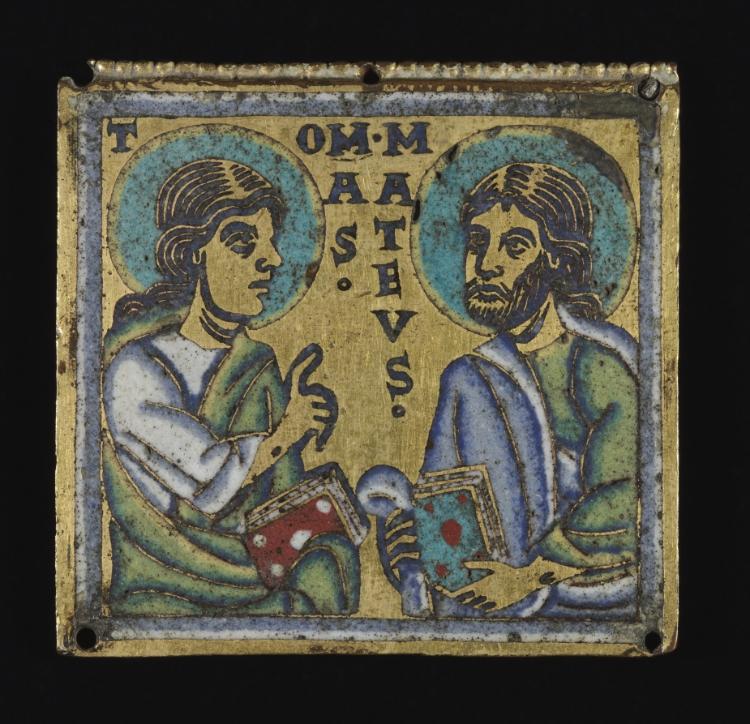
Plaque: Thomas and Matthew at the Cleveland Museum of Art: c. 1160, gilded copper, champlevé enamel. Explore the work's context, creator attribution and collection history.
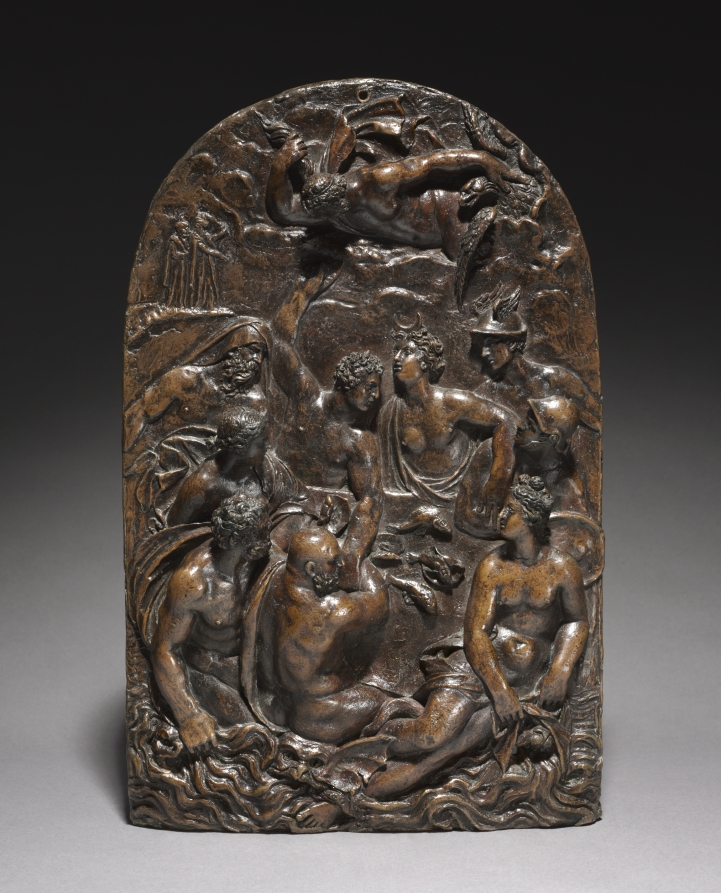
Feast of the Gods at the Cleveland Museum of Art: c. 1571–78, bronze. Explore the work's context, creator attribution and collection history.

Gospel Book with Evangelist Portraits at the Cleveland Museum of Art: c. 1480, ink, tempera, and gold on vellum; original blind stamped leather binding. Explore the work's context, creator attribution and collection history.

Gospel Book with Evangelist Portraits: Decorated Initial at the Cleveland Museum of Art: c. 1480, ink, tempera, and gold on vellum; original blind stamped leather binding. Explore the work's context, creator attribution and collection histo

Gospel Book with Evangelist Portraits: Decorated Initial at the Cleveland Museum of Art: c. 1480, ink, tempera, and gold on vellum; original blind stamped leather binding. Explore the work's context, creator attribution and collection histo