Candelabrum (100–1 BCE): Art, History and Details
Candelabrum at the Cleveland Museum of Art: 100–1 BCE, bronze. Explore the work's context, creator attribution and collection history.
Oldest entries first, in a fixed order. Newly added articles appear at the end. Explore a shuffled selection →
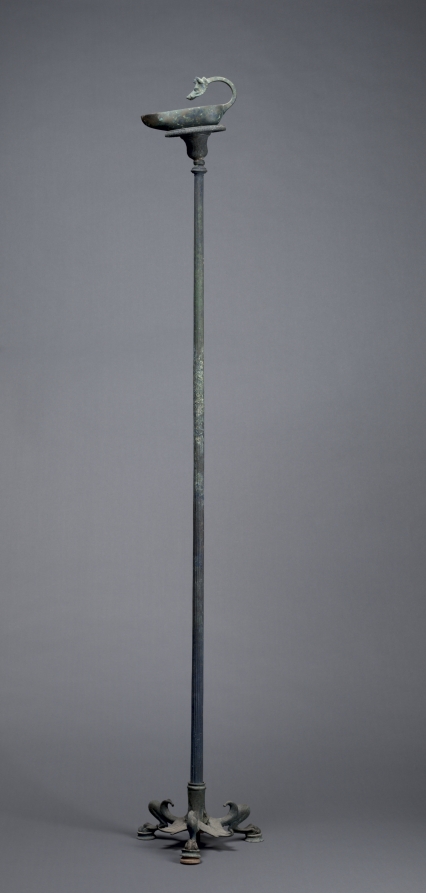
Candelabrum at the Cleveland Museum of Art: 100–1 BCE, bronze. Explore the work's context, creator attribution and collection history.
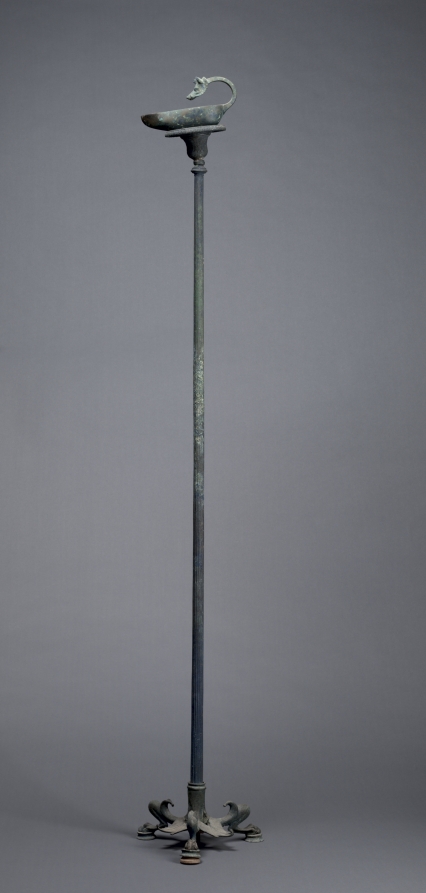
Lamp at the Cleveland Museum of Art: 100–1 BCE, bronze. Explore the work's context, creator attribution and collection history.

Bowl with Flower Petals at the Cleveland Museum of Art: 1300s, glazed porcelain with molded decoration, Shufu ware. Explore the work's context, creator attribution and collection history.
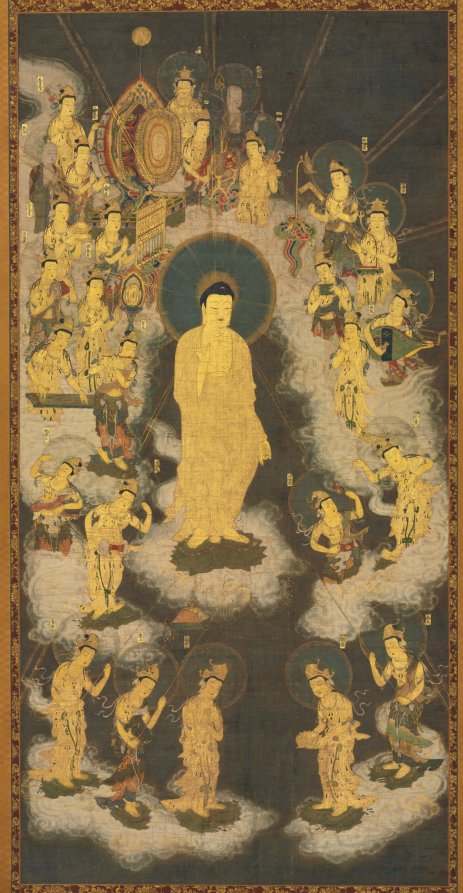
Welcoming Descent of Amida (Amida Raigō) at the Cleveland Museum of Art: 1300–1333, hanging scroll; ink, color and gold on silk. Explore the work's context, creator attribution and collection history.
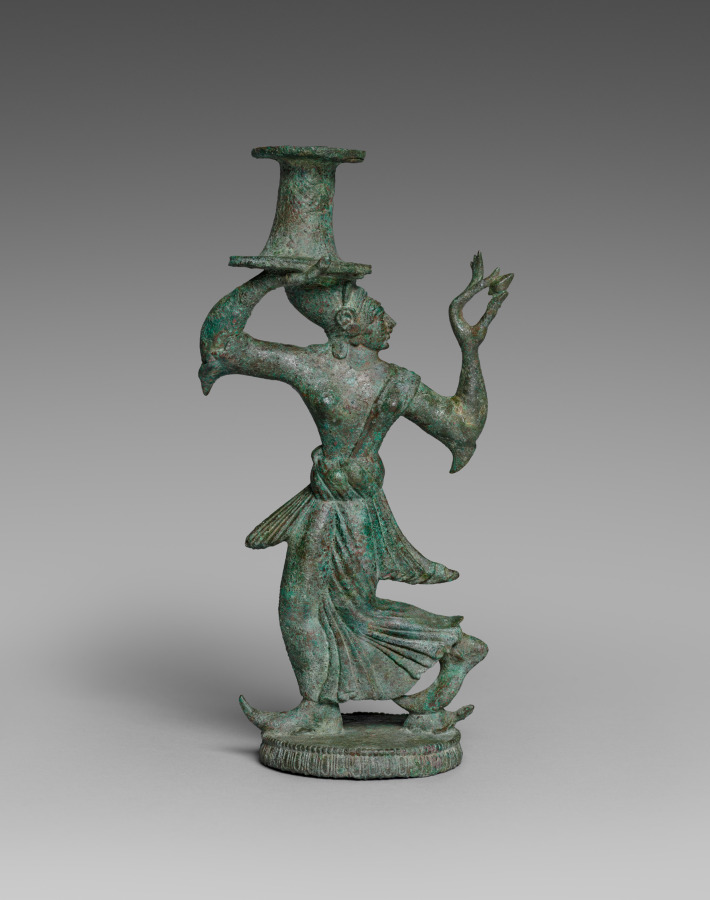
Candelabrum Stand of a Dancing Maenad at the Cleveland Museum of Art: 525–500 BCE, bronze. Explore the work's context, creator attribution and collection history.
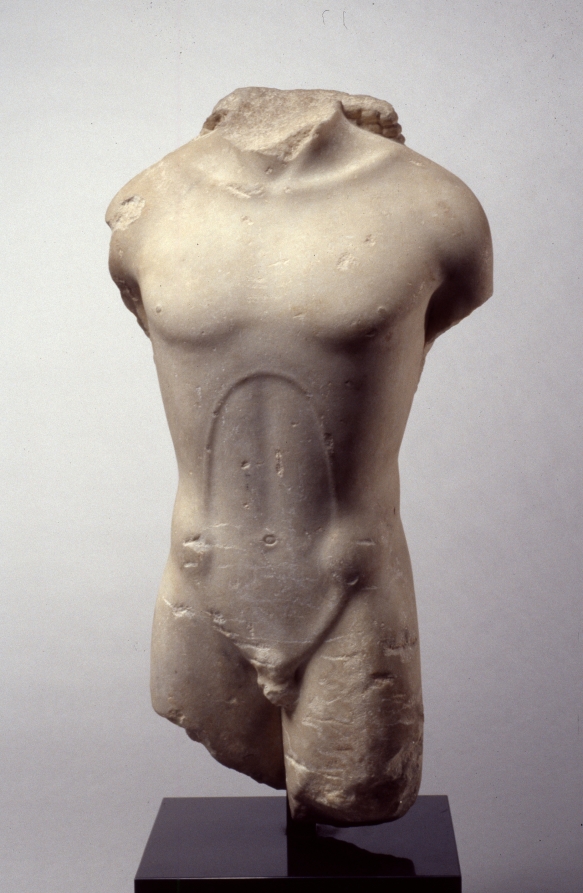
Torso of a Kouros at the Cleveland Museum of Art: c. 550 BCE, marble. Explore the work's context, creator attribution and collection history.

Streams and Mountains without End at the Cleveland Museum of Art: 1100–1150, handscroll; ink and slight color on silk. Explore the work's context, creator attribution and collection history.
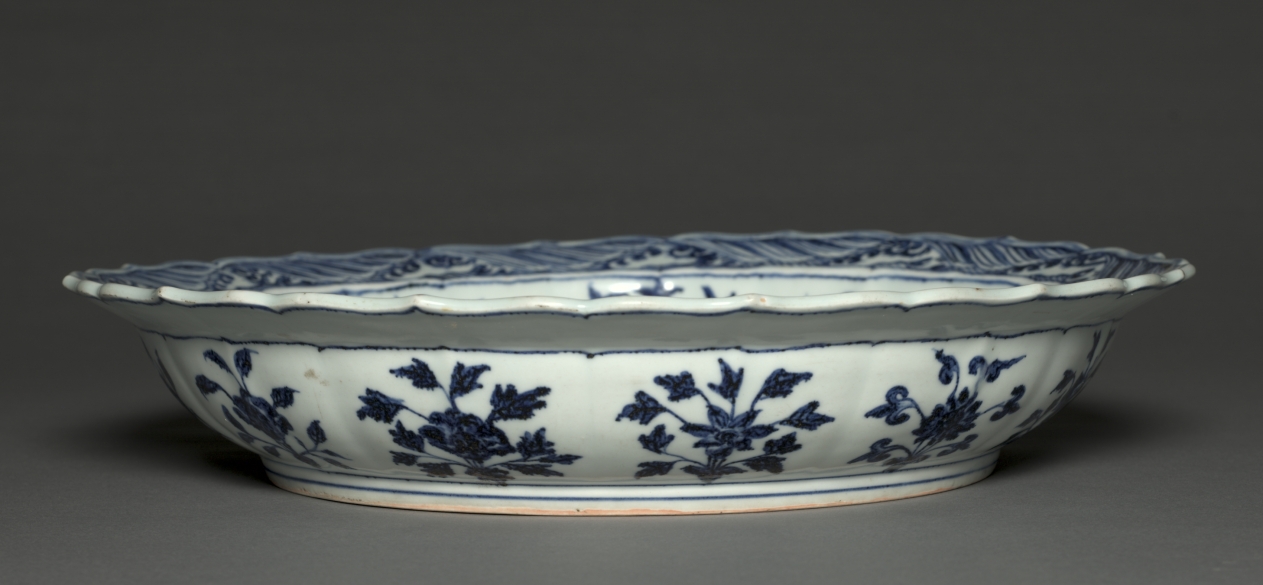
Plate with Grapes and Floral Sprays at the Cleveland Museum of Art: 1403–24, porcelain with underglaze blue decoration. Explore the work's context, creator attribution and collection history.
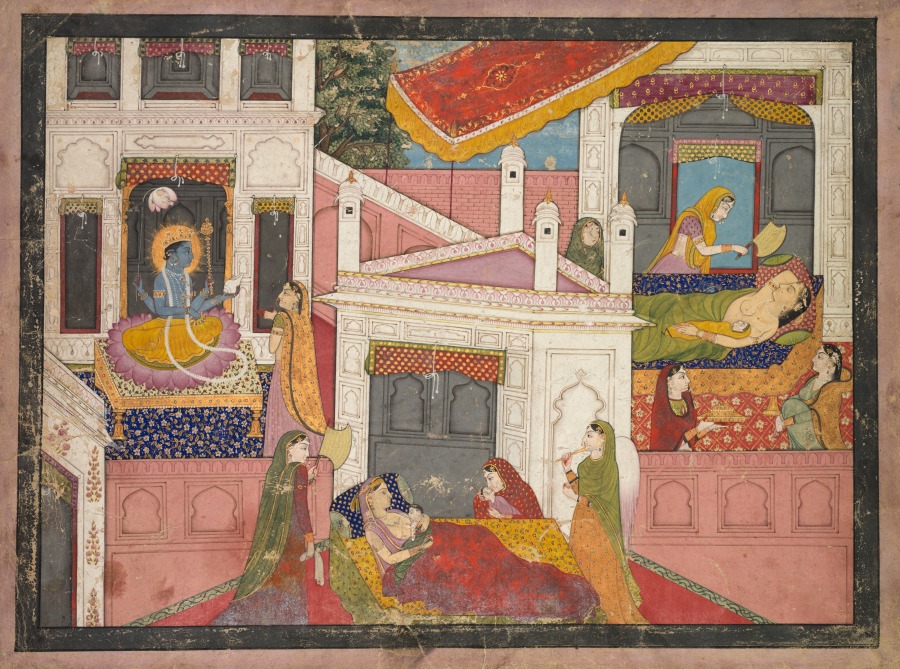
The birth of Rama and his brothers, from Chapter 17 of the Bala Kanda (Book of Childhood) of the Adhyatma Ramayana (Rama's Journey of the Supreme Spirit) from the Brahmanda Purana (Ancient Scripture of the Cosmic Egg) at the Cleveland Museu

Pendant with Shri at the Cleveland Museum of Art: c. 100s CE, gold repoussé and carnelian. Explore the work's context, creator attribution and collection history.
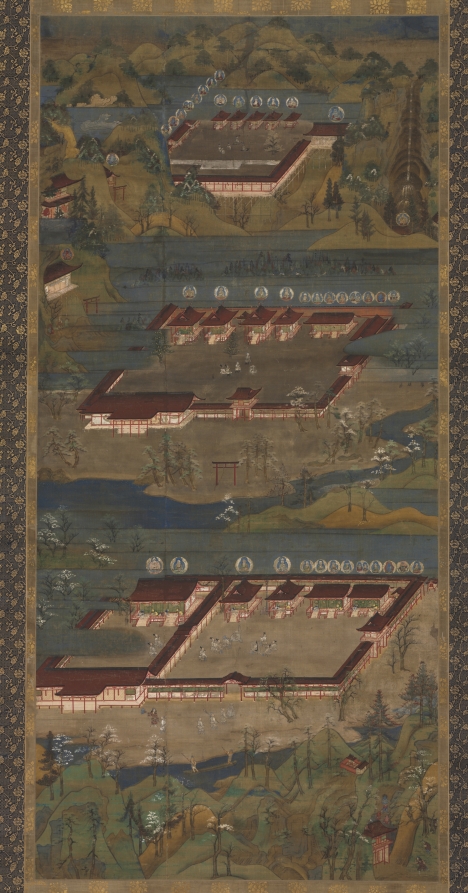
Mandala of the Three Shrines at Kumano at the Cleveland Museum of Art: 1300s, hanging scroll; ink and color on silk. Explore the work's context, creator attribution and collection history.
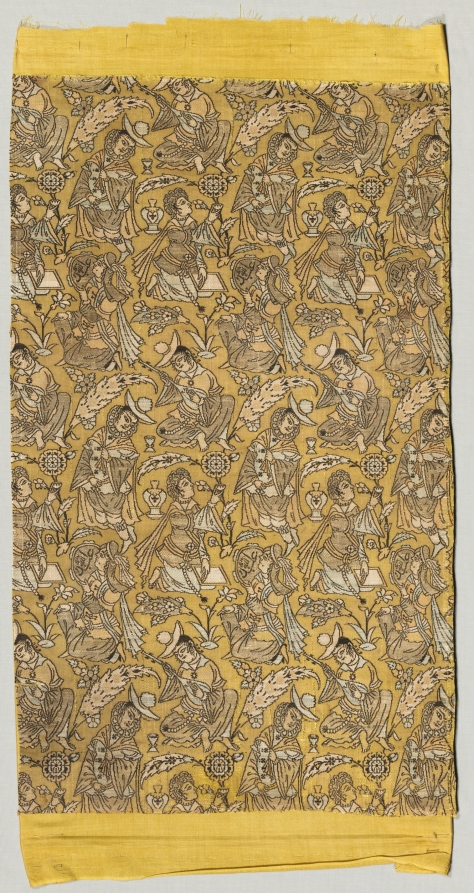
Lampas with dancers and musicians at the Cleveland Museum of Art: 1600–1650, silk and silver-metal thread: lampas, brocaded. Explore the work's context, creator attribution and collection history.

Nereid (Sea-Nymph) from a Hanging at the Cleveland Museum of Art: late 300s–400s CE, dyed wool, undyed linen. Explore the work's context, creator attribution and collection history.

Initial R from a Choral Book with King David(?) at the Cleveland Museum of Art: c. 1470–1480, ink, tempera and gold on vellum. Explore the work's context, creator attribution and collection history.

Leaf from an Antiphonary: Coronation of the Virgin at the Cleveland Museum of Art: 1400s, Ink, tempera, and gold on vellum. Explore the work's context, creator attribution and collection history.
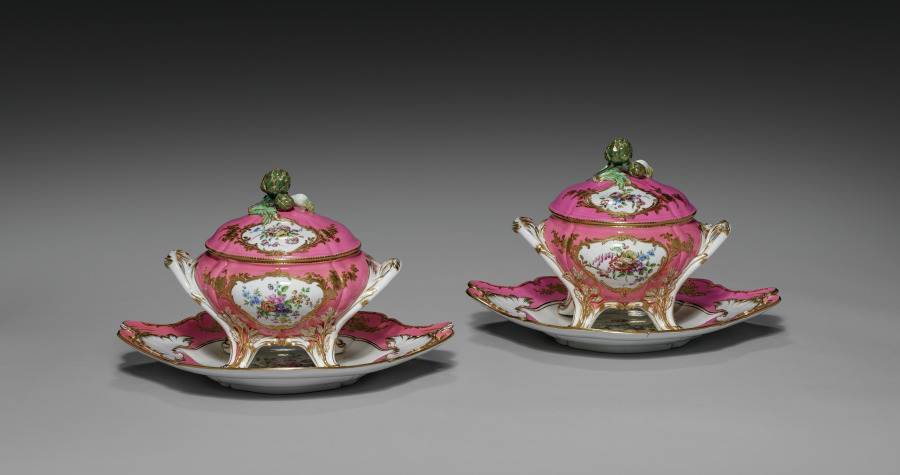
Pair of Covered Tureens on Stand (Paire de pots-à-oille) at the Cleveland Museum of Art: 1757–58, soft-paste porcelain with enamel and gilt decoration. Explore the work's context, creator attribution and collection history.

Allegory of Christian Belief at the Cleveland Museum of Art: c. 1622, pen and brown ink and brush and brown wash; framing lines in pen and black ink. Explore the work's context, creator attribution and collection history.
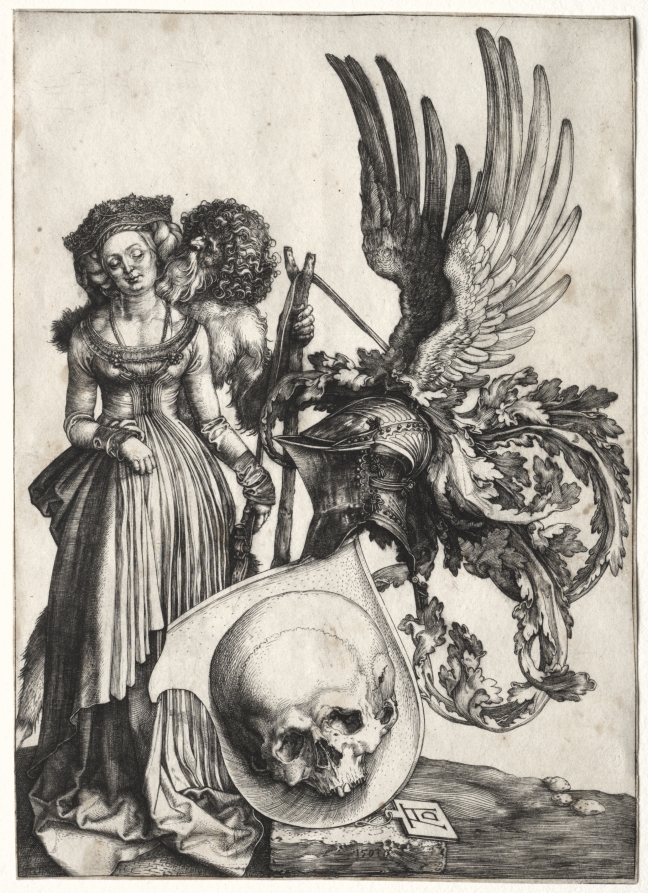
Coat of Arms with a Skull at the Cleveland Museum of Art: 1503, engraving. Explore the work's context, creator attribution and collection history.
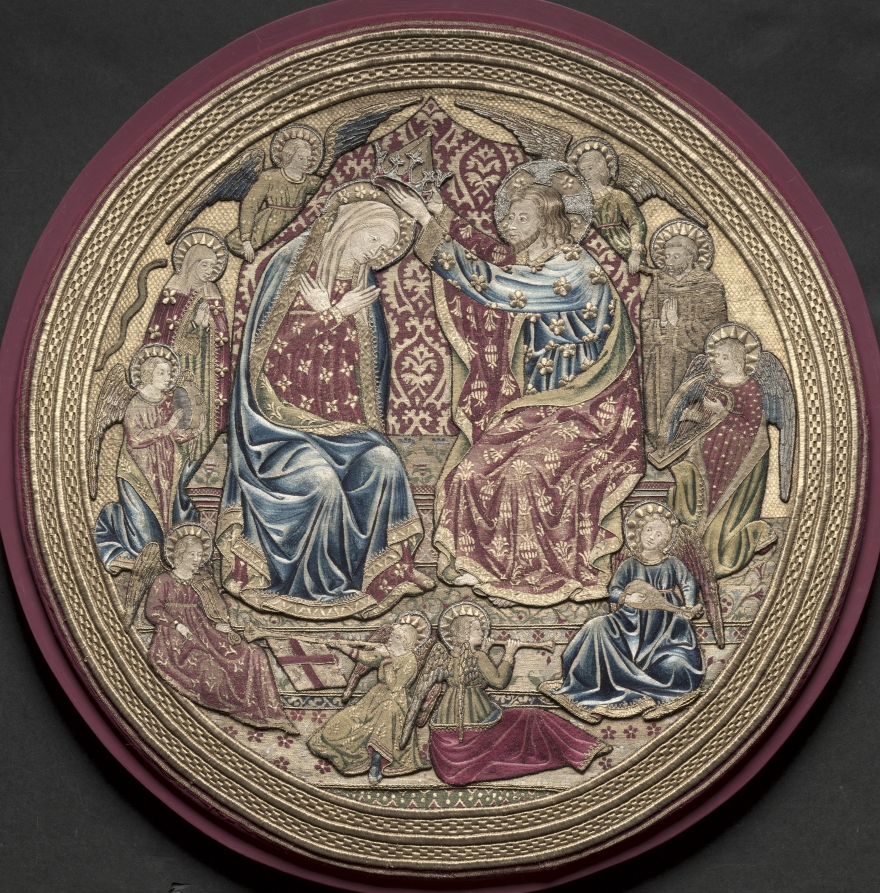
Embroidered Tondo from an Altar Frontal: The Coronation of the Virgin at the Cleveland Museum of Art: 1459, Embroidery with gold, silver, and silk thread; split, satin, and couching stitches, or nué (shaded gold). Explore the work's context

The Toilet, from The Rape of the Lock by Alexander Pope at the Cleveland Museum of Art: c. 1895–96, pen and black ink with traces of graphite underdrawing. Explore the work's context, creator attribution and collection history.

The Virgin Seated at the Foot of a Tree at the Cleveland Museum of Art: 1522, engraving. Explore the work's context, creator attribution and collection history.

The Promenade at the Cleveland Museum of Art: c. 1497, engraving. Explore the work's context, creator attribution and collection history.
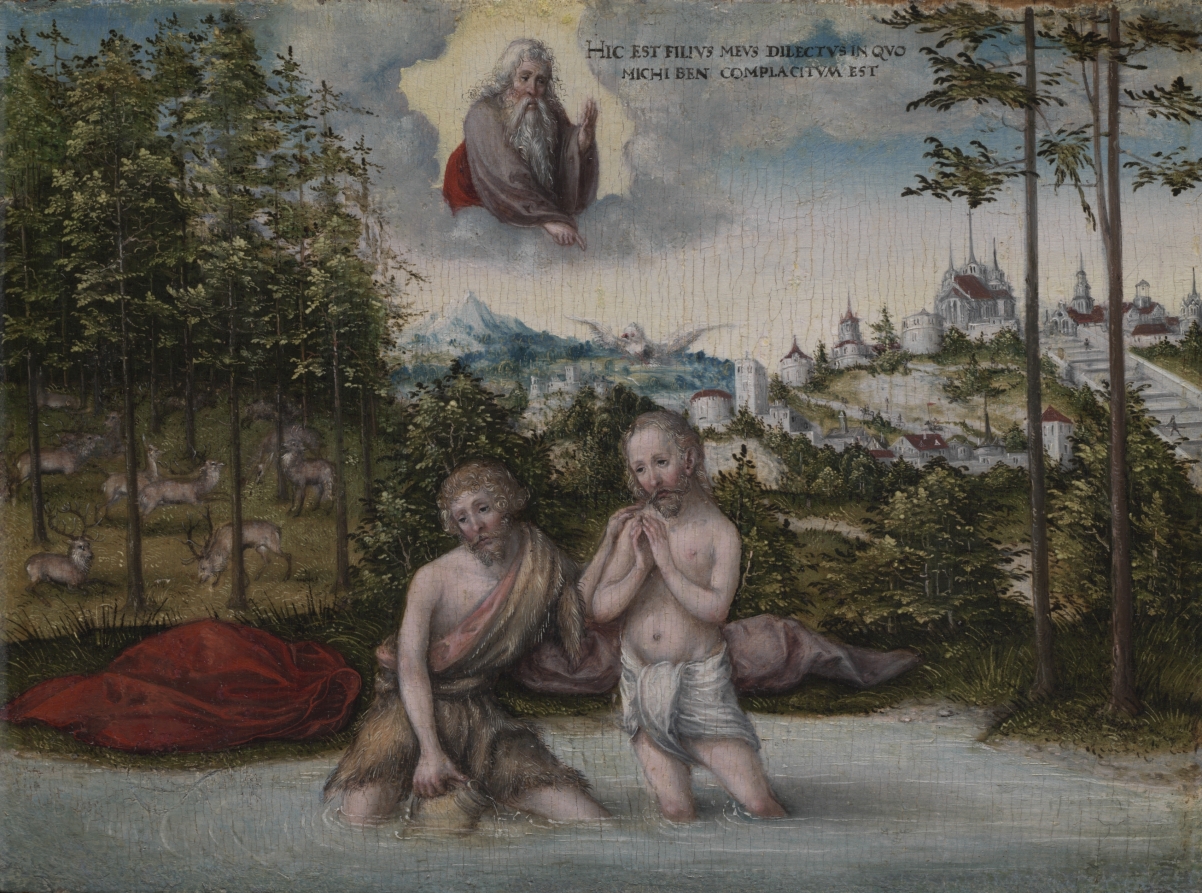
The Baptism of Christ at the Cleveland Museum of Art: 1530s, oil on wood. Explore the work's context, creator attribution and collection history.

Leaves Excised from a Psalter (seven) at the Cleveland Museum of Art: c. 1260, tempera and gold on vellum. Explore the work's context, creator attribution and collection history.

Leaf Excised from a Psalter: Initial B with King David at the Cleveland Museum of Art: c. 1260, tempera and gold on vellum. Explore the work's context, creator attribution and collection history.
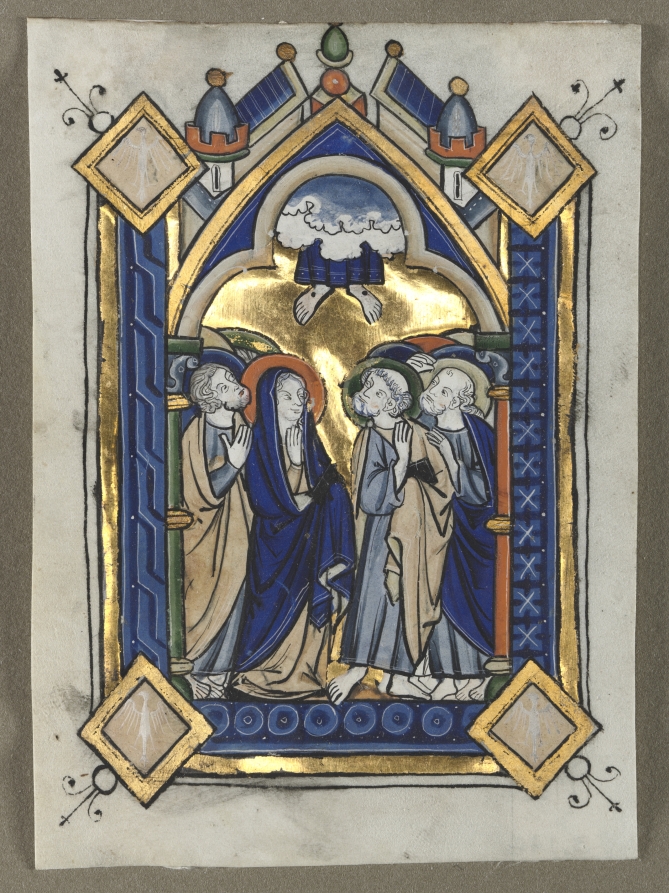
Leaf Excised from a Psalter: The Ascension at the Cleveland Museum of Art: c. 1260, tempera and burnished gold on vellum. Explore the work's context, creator attribution and collection history.
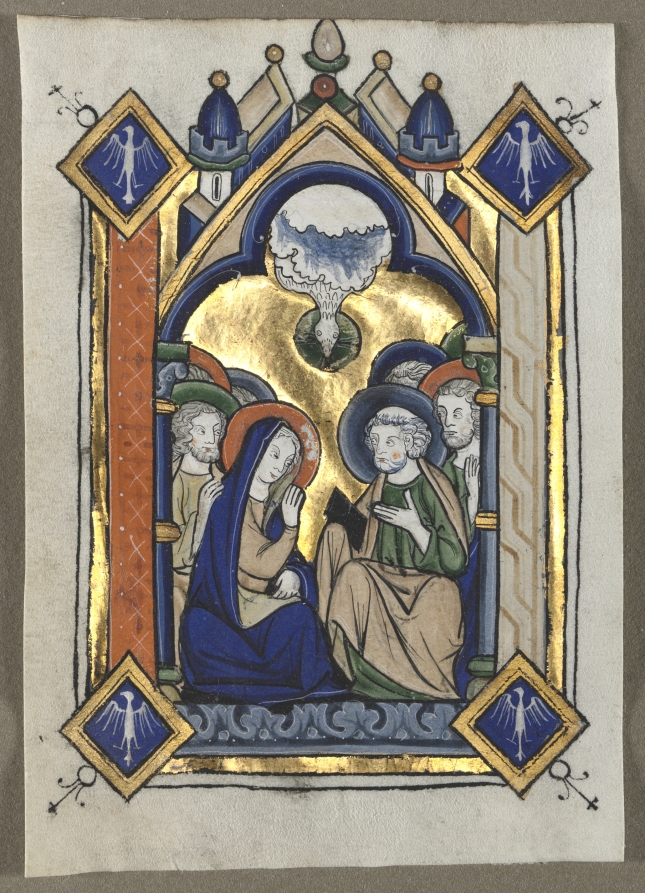
Leaf Excised from a Psalter: The Pentecost at the Cleveland Museum of Art: c. 1260, tempera and burnished gold on vellum. Explore the work's context, creator attribution and collection history.

Leaf Excised from a Psalter: The Nativity at the Cleveland Museum of Art: c. 1260, tempera and burnished gold on vellum. Explore the work's context, creator attribution and collection history.
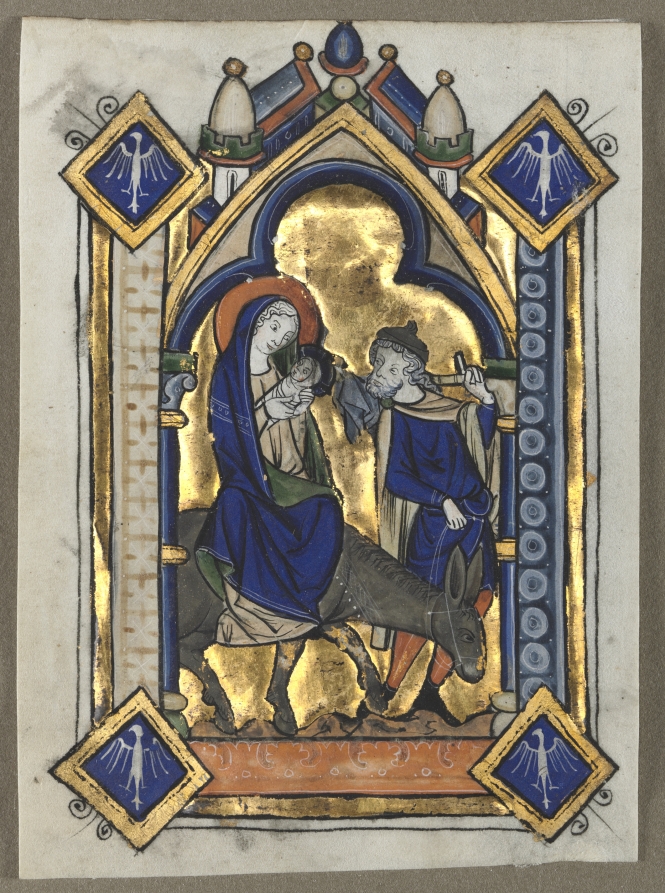
Leaf Excised from a Psalter: Flight Into Egypt at the Cleveland Museum of Art: c. 1260, tempera and burnished gold on vellum. Explore the work's context, creator attribution and collection history.
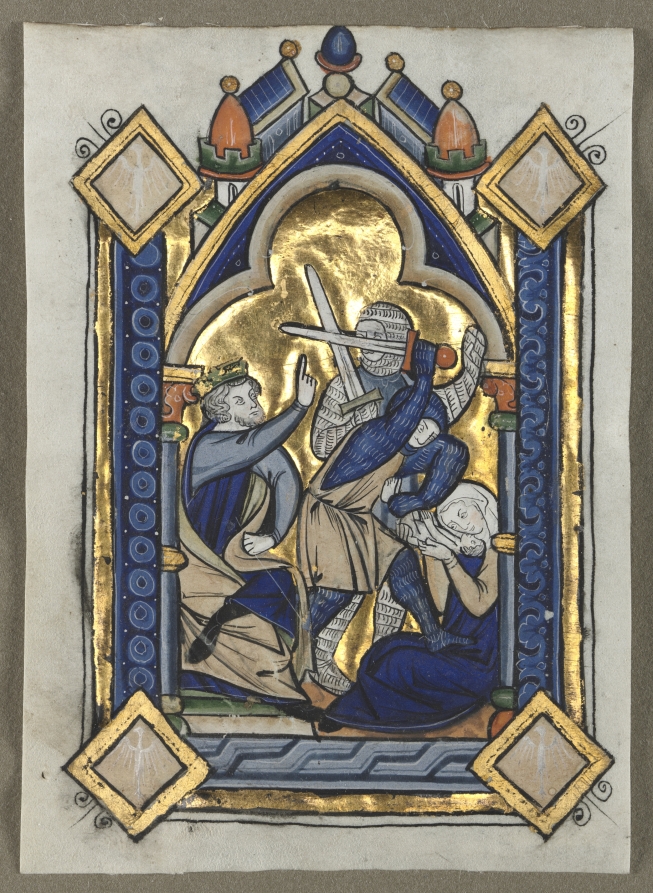
Leaf Excised from a Psalter: Massacre of the Innocents at the Cleveland Museum of Art: c. 1260, tempera and burnished gold on vellum. Explore the work's context, creator attribution and collection history.
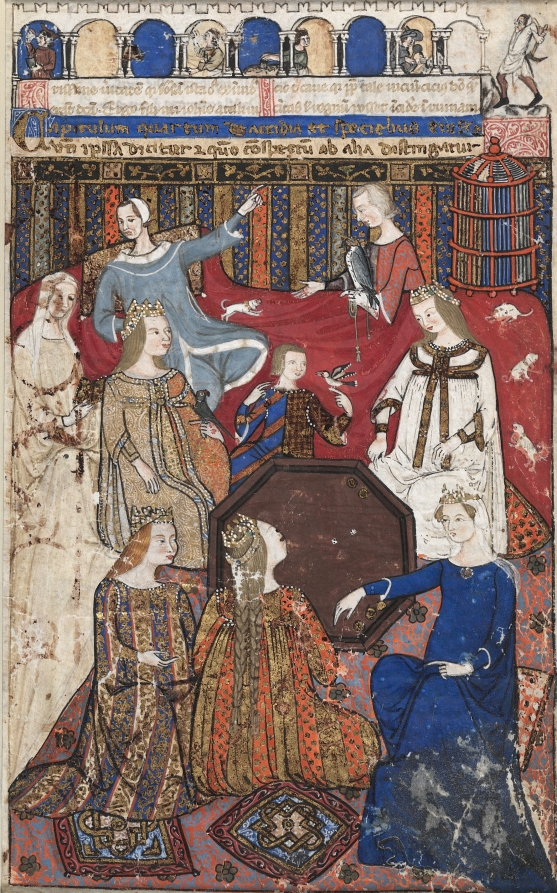
Leaf from a Cocharelli Treatise on the Vices: Acedia and Her Court at the Cleveland Museum of Art: c. 1330, ink, tempera, and gold on vellum. Explore the work's context, creator attribution and collection history.
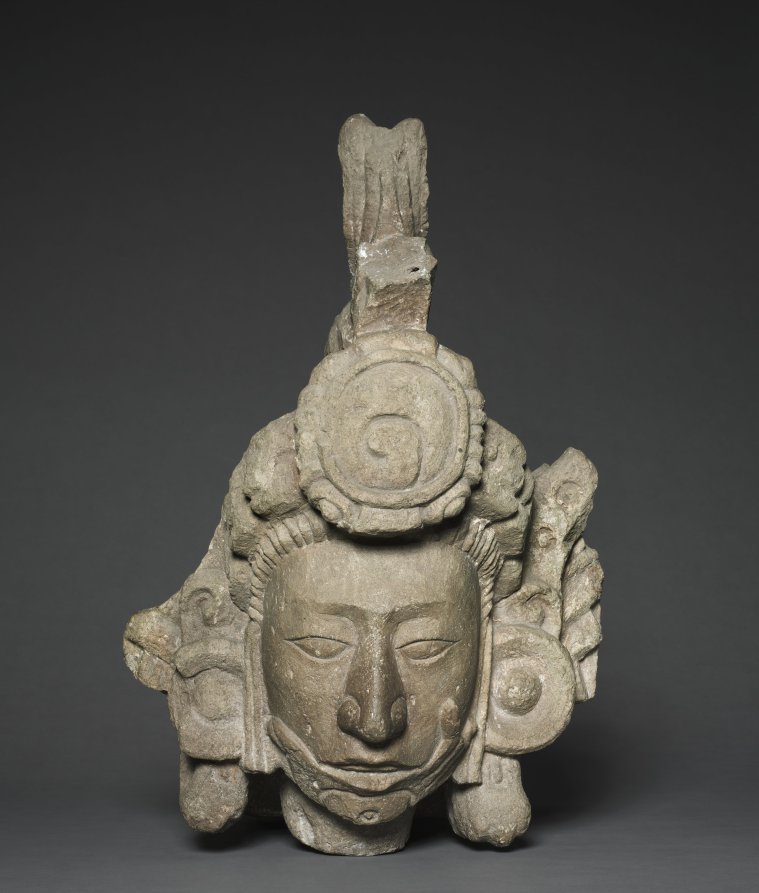
Head of a Young Noble at the Cleveland Museum of Art: 746, stone. Explore the work's context, creator attribution and collection history.

Spring Flowers at the Cleveland Museum of Art: 1864, oil on canvas. Explore the work's context, creator attribution and collection history.
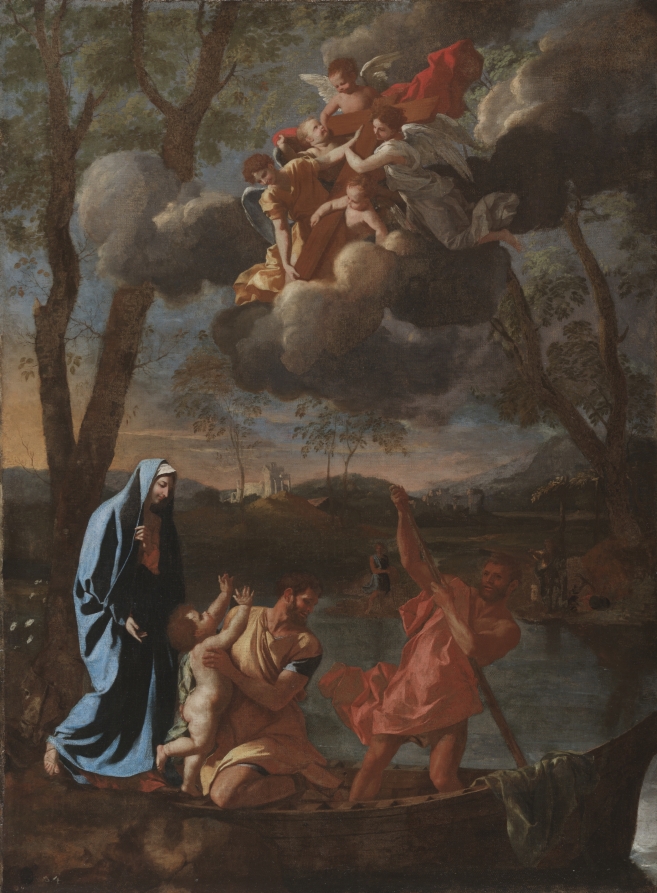
The Return of the Holy Family to Nazareth at the Cleveland Museum of Art: c. 1627, oil on canvas. Explore the work's context, creator attribution and collection history.
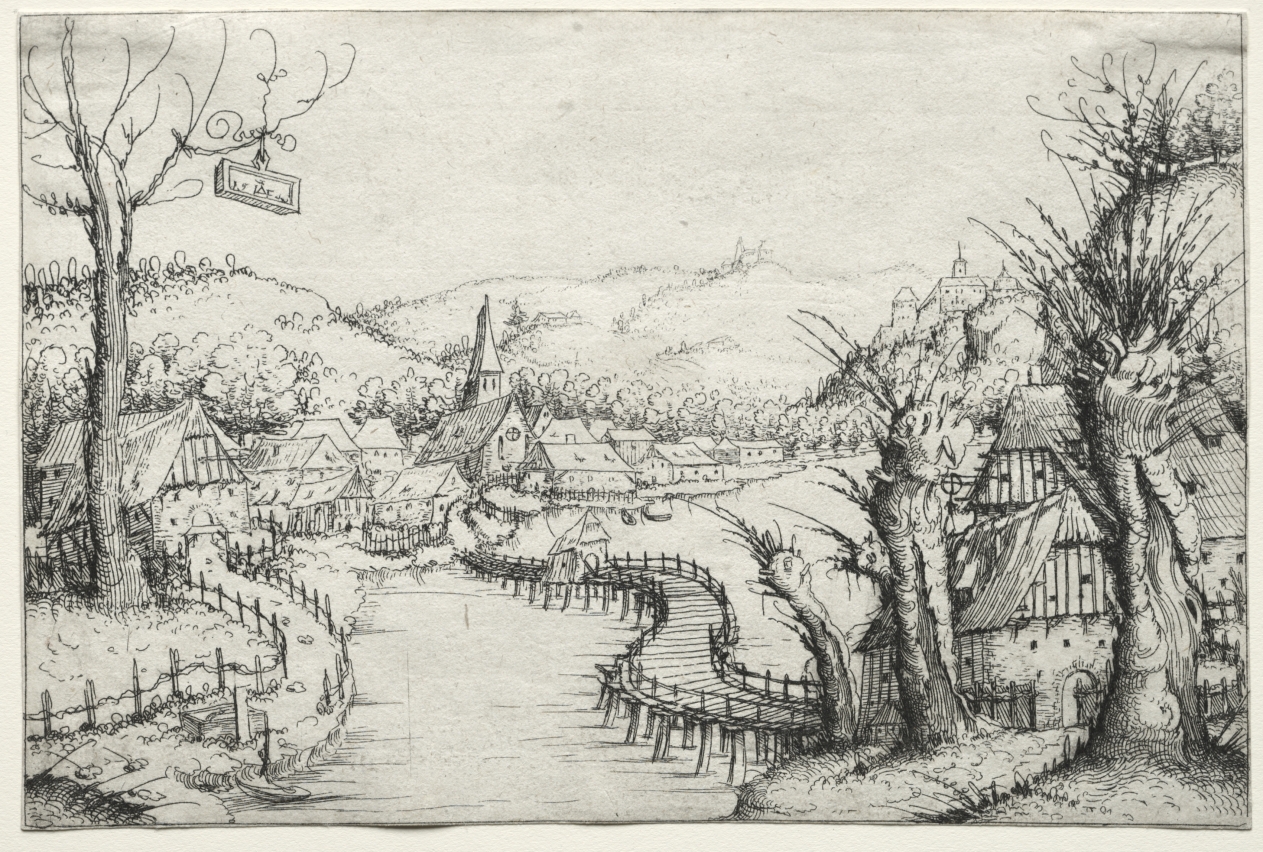
River Landscape with Three Bare Willow Trees at Right and a Long Winding Wooden Bridge at Center Leading to a Village at the Cleveland Museum of Art: 1546, etching. Explore the work's context, creator attribution and collection history.
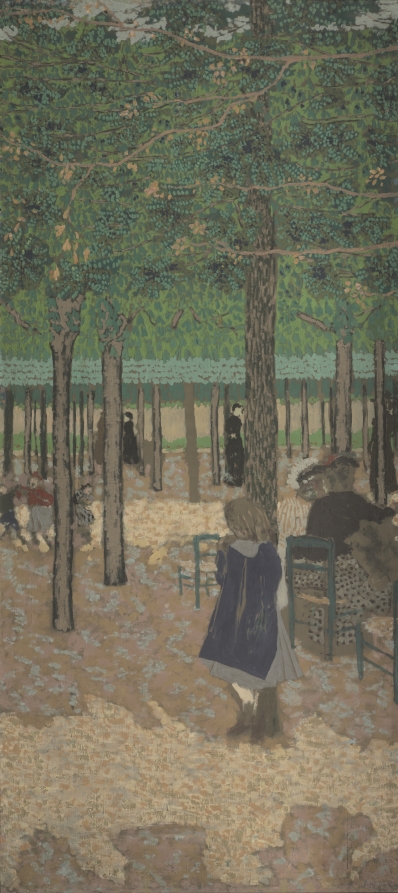
Under the Trees (from "The Public Gardens") at the Cleveland Museum of Art: 1894, distemper on fabric. Explore the work's context, creator attribution and collection history.

The Apocalypse (bound volume) at the Cleveland Museum of Art: 1555, engraving. Explore the work's context, creator attribution and collection history.
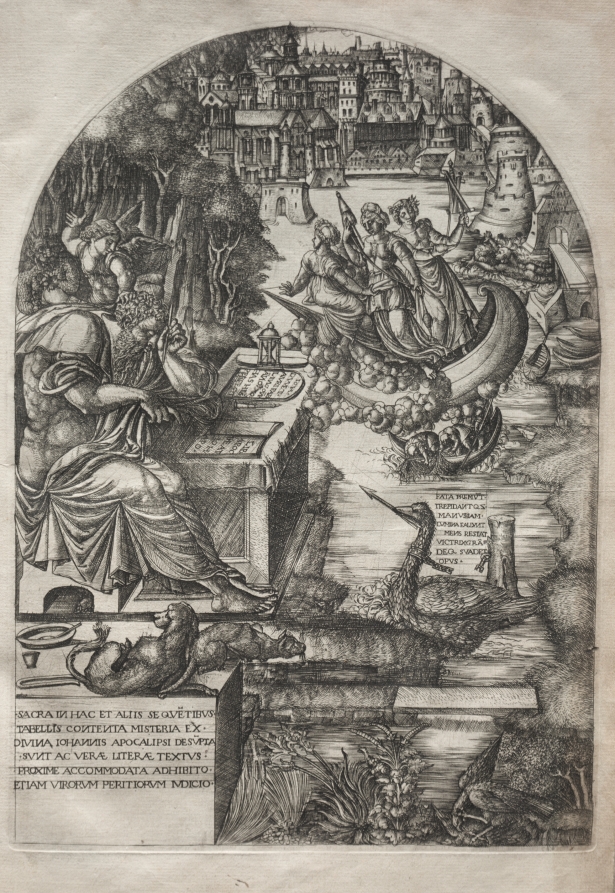
The Apocalypse: Duvet Studying the Apocalypse at the Cleveland Museum of Art: 1555, engraving. Explore the work's context, creator attribution and collection history.
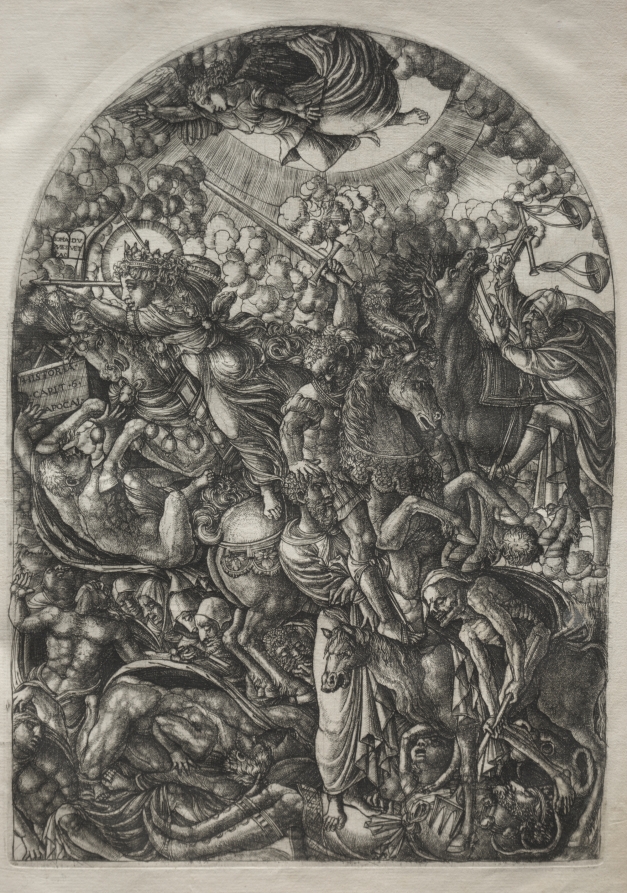
The Apocalypse: Saint John Sees the Four Riders at the Cleveland Museum of Art: 1546–56, engraving. Explore the work's context, creator attribution and collection history.

The Apocalypse: A Star Falls and Makes Hell to Open at the Cleveland Museum of Art: 1546–56, engraving. Explore the work's context, creator attribution and collection history.