Electronic literature: History and Key Facts
Electronic literature or digital literature is a genre of literature where digital capabilities such as interactivity, multimodality or algorithmic text generation are used aesthetically.
Oldest entries first, in a fixed order. Newly added articles appear at the end. Explore a shuffled selection →

Electronic literature or digital literature is a genre of literature where digital capabilities such as interactivity, multimodality or algorithmic text generation are used aesthetically.

Elegiac comedy was a genre of medieval Latin literature—or drama—represented by about twenty texts written in the 12th and 13th centuries in the liberal arts schools of west central France (rough
Epistolography, or the art of writing letters, is a genre of Byzantine literature similar to rhetoric that was popular with the intellectual elite of the Byzantine age.

The term erotic literature refers to fictional or factual stories and accounts of eros (passionate, romantic, or sexual relationships) intended to sexually arouse readers.

Ergodic literature is a mode of textual organization in which nontrivial effort is required for the reader to traverse the text, beyond ordinary eye movement or turning pages.

Fantasy literature is literature set in an imaginary universe, often but not always without any locations, events, or people from the real world.
The corpus of traditional riddles from the Finnic-speaking world (including the modern Finland, Estonia, and parts of Western Russia) is fairly unitary, though eastern Finnish-speaking regions sh
Finnic incantations or charms (Finnish: loitsut, singular loitsu) are a body of traditional literature in the Finnic languages whose purpose was to effect magical change on the world.

Gaucho literature, also known in Spanish as género gauchesco ("gauchoesque" genre) was a literary movement purporting to use the language of the gauchos, comparable to the American cowboy, and re

Writing about gardens takes a variety of literary forms, ranging from instructional manuals on horticulture and garden design, to essays on gardening, to novels.
Gawęda szlachecka (variously translated as szlachta storytelling, noble storytelling, noble tale, etc.) is a Polish literary form in which works are presented as a story told by a Polish nobleman
In the Middle High German (MHG) period (1050–1350) the courtly romance, written in rhyming couplets, was the dominant narrative genre in the literature of the noble courts, and the romances of Ha
Ghazal is a form of amatory poem or ode, originating in Arabic poetry and a predominant form in Persian Poetry, that often deals with topics of spiritual and romantic love.

Grotesque is an adjective often used to describe weird shapes and distorted forms such as Halloween masks.
Grunge lit (an abbreviation for "grunge literature") is an Australian literary genre usually applied to fictional or semi-autobiographical writing concerned with dissatisfied and disenfranchised

The term Hexaemeron (Greek: Ἡ Ἑξαήμερος Δημιουργία Hē Hexaēmeros Dēmiourgia), literally "six days," is used in one of two senses.
A historical drama (also period drama, period piece or just period) is a dramatic work set in the past, usually used in the context of film and television, which presents historical events and ch

Histoires tragiques ('tragic stories') were a genre of French fiction in 16th-17th centuries, a Baroque rendering of Boccaccio's type of short stories, concentrating on the dark side of human nat
The historical mystery or historical whodunit is a subgenre of two literary genres, historical fiction and mystery fiction.
A hybrid genre is a literary or film genre that blends themes and elements from two or more different genres.

Jacobin novels were written between 1780 and 1805 by British radicals who supported the ideals of the French Revolution.

The Arabic word insha (Arabic: إنشاء, romanized: inshā’) means "construction", or "creation".
Joseimuke (女性向け) is a Japanese term that is used to refer to a category of media specifically intended to be "targeted towards women." The Japanese word joseimuke (女性向け) directly translates to "a

A legend is a genre of folklore that consists of a narrative featuring human actions, believed or perceived to have taken place in human history.
Lad lit was a term used principally from the 1990s to the early 2010s to describe male-authored popular novels about young men and their emotional and personal lives.
The libertine novel was an 18th-century literary genre of which the roots lay in the European but mainly French libertine tradition.
A legendary (Latin: legendarius) is a collection of saints' lives.
Life writing is an expansive genre that primarily deals with the purposeful recording of personal memories, experiences, opinions, and emotions for different ends.

The Western is a genre set in the American frontier and commonly associated with folk tales of the Western United States, particularly the Southwestern United States, as well as Northern Mexico a
A literary fairy tale is a fairy tale that differs from an oral folktale in that it is written by "a single identifiable author", as defined by Jens Tismar's monograph.
A literary diary is a subgenre of diary writing that is read and analysed as literature.

A memoir (; from French mémoire [me.mwaʁ], from Latin memoria 'memory, remembrance') is any nonfiction narrative writing based on the author's personal memories.
The genre of Menippean satire is a form of satire, usually in prose, that is characterized by attacking mental attitudes rather than specific individuals or entities.
Merveilleux scientifique (also spelled with a hyphen: merveilleux-scientifique, literally translated "scientific marvelous") is a literary genre that developed in France from the end of the 19th
Metahistorical romance is a term describing postmodern historical fiction, defined by Amy J.

Misery literature, also called misery lit, misery porn, misery memoirs and trauma porn, is a literary genre dwelling on trauma, mental and physical abuse, destitution, or other enervating trials
Muwashshah (Arabic: مُوَشَّح muwaššaḥ 'girdled'; plural مُوَشَّحَات muwaššaḥāt; also تَوْشِيْح tawšīḥ 'girdling,' pl.

Mystery is a fiction genre where the nature of an event, often a murder or other crime, remains mysterious until the end of the story.
Nasīb (Arabic: النسيب) is an Arabic literary form, 'usually defined as an erotic or amatory prelude to the type of long poem called a qaṣīdah.' However, although at the beginning of the form's de
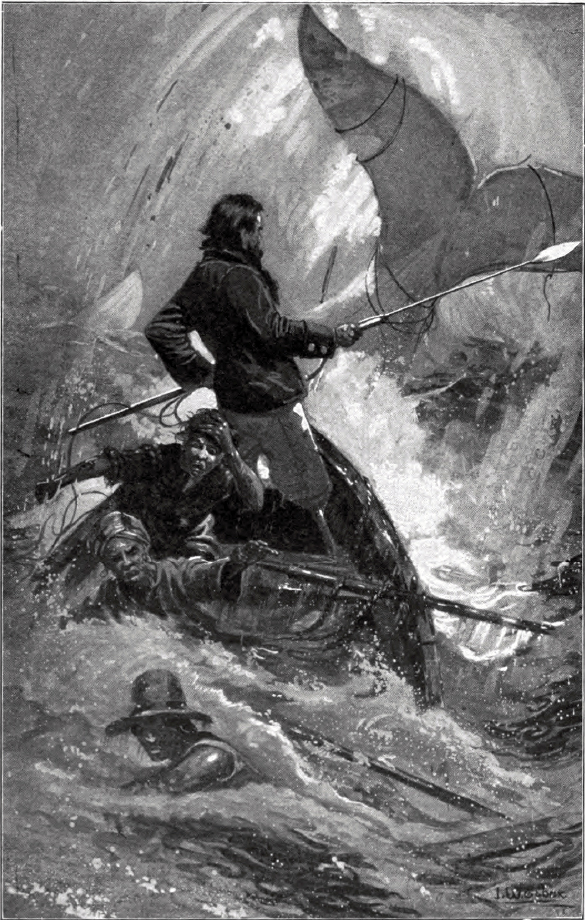
Nautical fiction, frequently also naval fiction, sea fiction, naval adventure fiction or maritime fiction, is a genre of literature with a setting on or near the sea, that focuses on the human re