British Line of Succession: Titles and Lineage Facts
A sourced evergreen guide to Line of succession to the British throne, with facts, context and reference links.
Oldest entries first, in a fixed order. Newly added articles appear at the end. Explore a shuffled selection →

A sourced evergreen guide to Line of succession to the British throne, with facts, context and reference links.

A sourced evergreen guide to Louis VI of France, with fast facts, context and reference links.

A sourced evergreen guide to Louis VIII of France, with fast facts, context and reference links.

A sourced evergreen guide to Aaron the Tyrant, with fast facts, context and reference links.

A sourced evergreen guide to Charles IV of France, with fast facts, context and reference links.
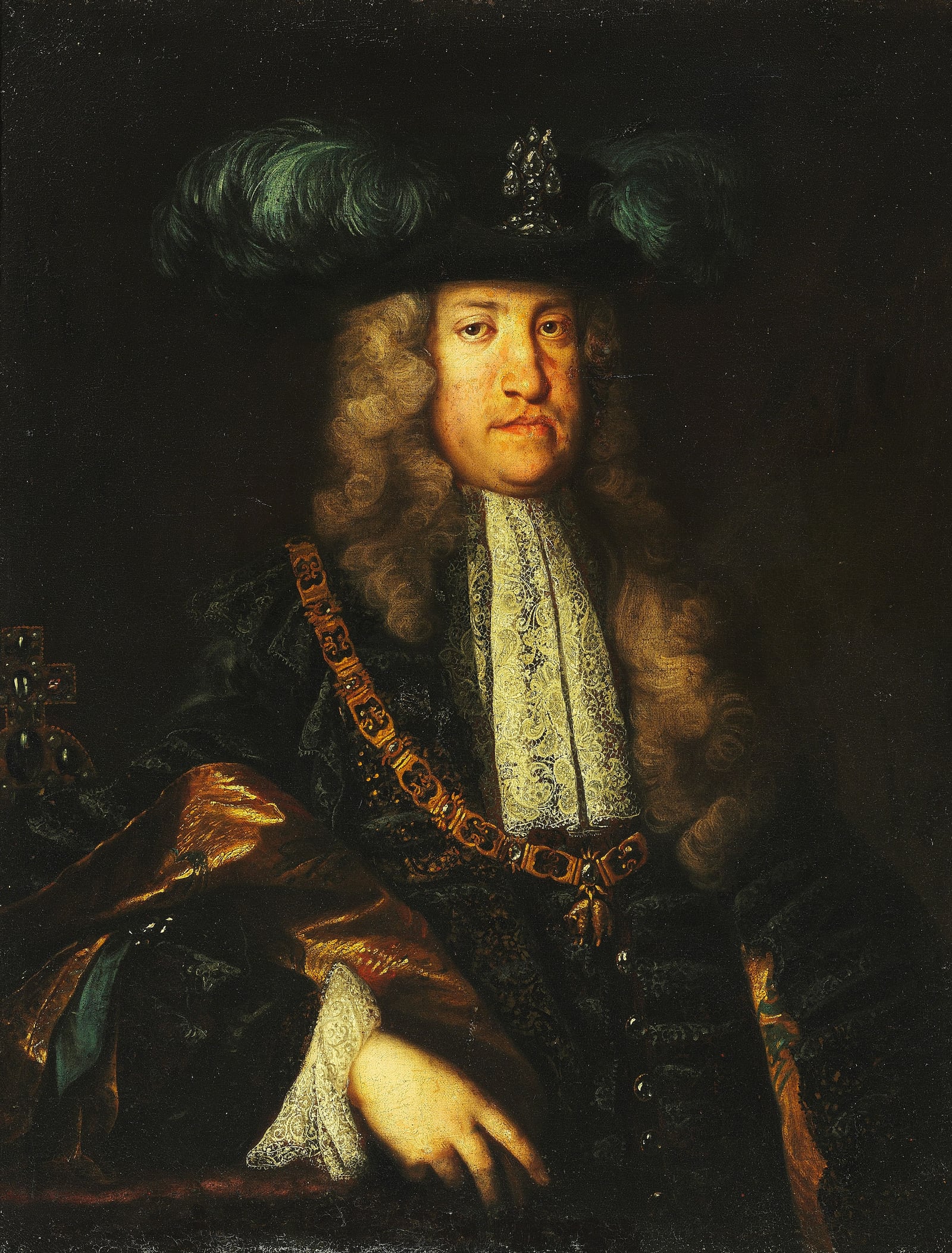
A sourced evergreen guide to Charles VI, Holy Roman Emperor, with fast facts, context and reference links.

A sourced evergreen guide to Emperor Meiji, with fast facts, context and reference links.

A sourced evergreen guide to Fath-Ali Shah Qajar, with fast facts, context and reference links.

A sourced evergreen guide to Genghis Khan, with fast facts, context and reference links.
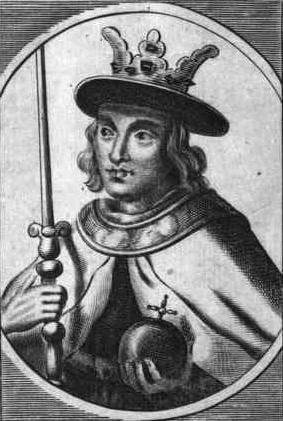
A sourced evergreen guide to Harald III of Denmark, with fast facts, context and reference links.

A sourced evergreen guide to Judith of Bavaria, with fast facts, context and reference links.
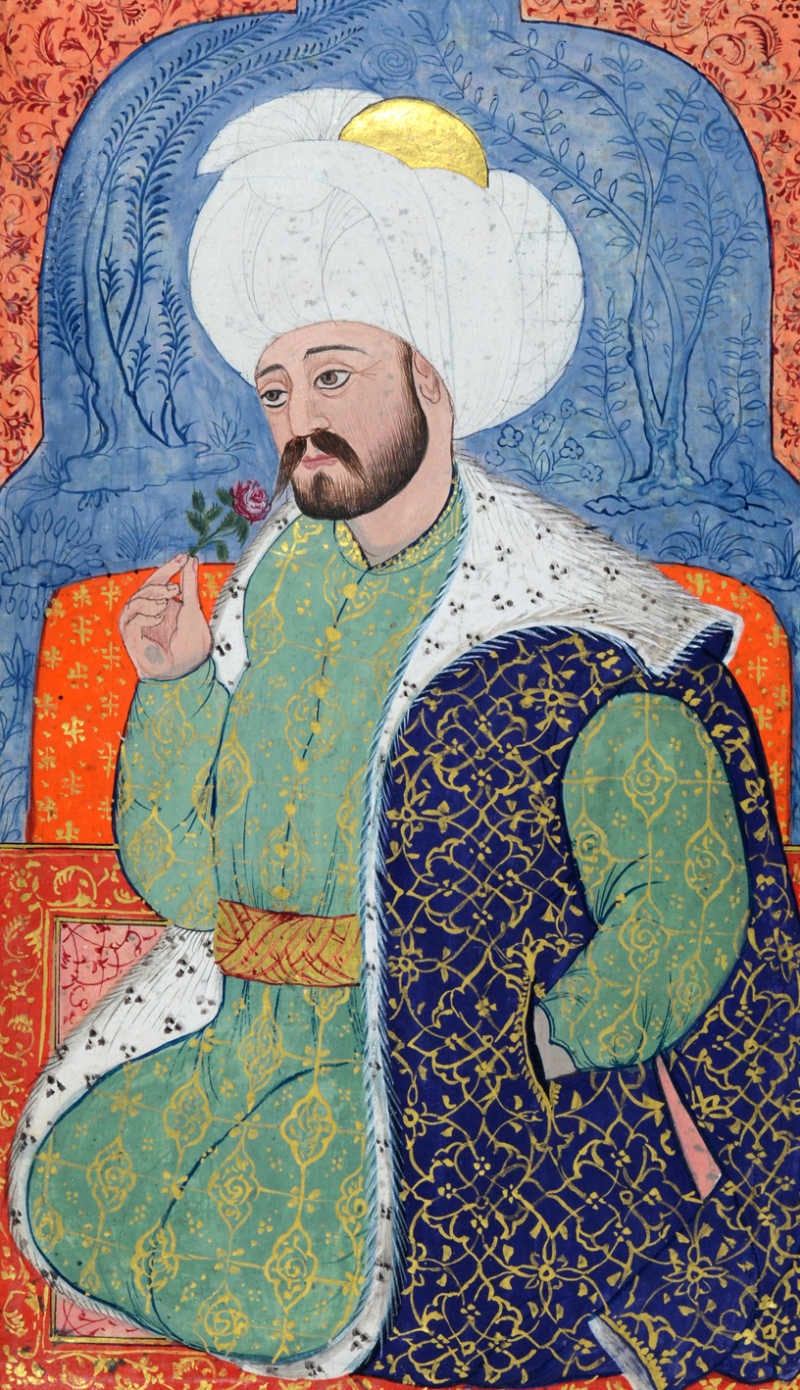
A sourced evergreen guide to Mehmed I, with fast facts, context and reference links.

A sourced evergreen guide to Pedro I of Brazil, with fast facts, context and reference links.
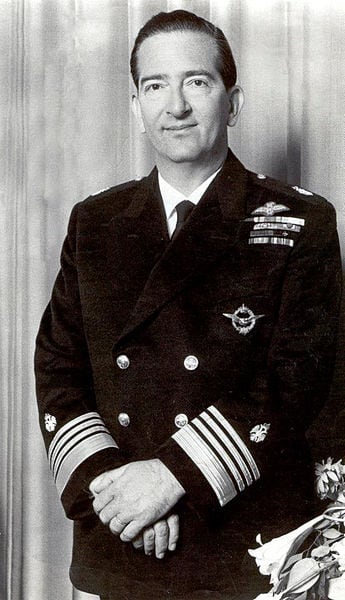
A sourced evergreen guide to Peter II of Yugoslavia, with fast facts, context and reference links.
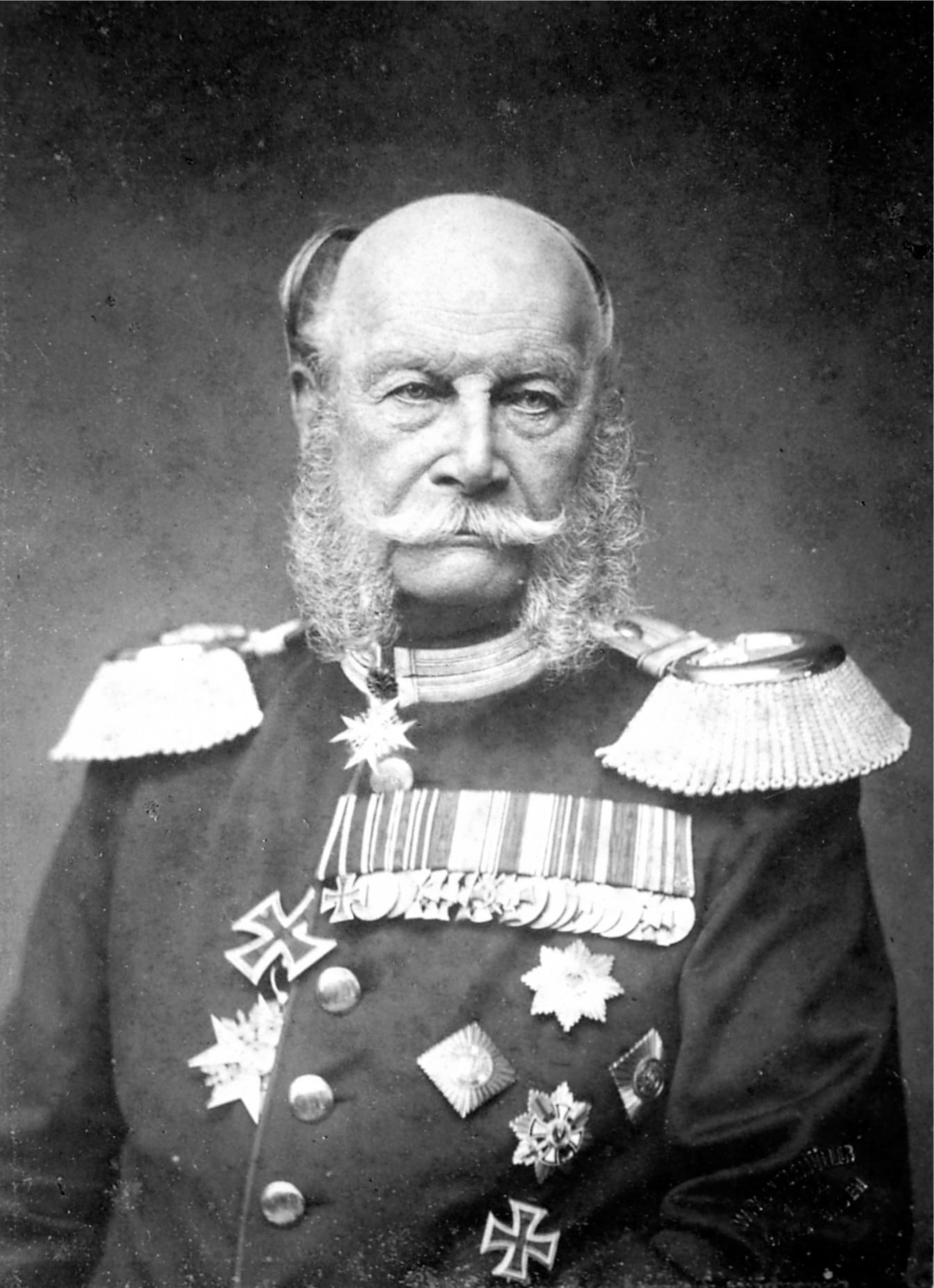
A sourced evergreen guide to Wilhelm I, with fast facts, context and reference links.

Prince of Wales is a title traditionally given to the male heir apparent to the English, and later, the British throne.

Princess Royal is a title customarily (but not automatically) awarded by British monarchs to their eldest daughters.

Duke of Rothesay ( ; Scottish Gaelic: Diùc Baile Bhòid; Scots: Duik o Rothesay) is the main dynastic title traditionally given to the male heir apparent to the Scottish and, later, British throne

Duke of Edinburgh, named after the capital city of Scotland, Edinburgh, is a substantive title that has been created four times since 1726 for members of the British royal family.
Duke of York is a title of nobility in the Peerage of the United Kingdom.

The line of succession to the Swedish throne is determined by the Act of Succession (Swedish: successionsordningen), originally approved jointly by the Riksdag of the Estates assembled in Örebro
Succession to the British throne is determined by descent, sex, legitimacy, and religion.
The House of Windsor is the current royal house of the United Kingdom and other Commonwealth realms.
The House of Schleswig-Holstein-Sonderburg-Glücksburg, also known by its short name as the House of Glücksburg, is the senior surviving branch of the German House of Oldenburg, one of Europe's ol
The House of Bourbon (English: , also UK: ; French: [buʁbɔ̃]) is a dynasty that originated in the Kingdom of France as a branch of the Capetian dynasty, the royal House of France.
The House of Bernadotte is the royal family of Sweden, founded there in 1818 by King Charles XIV John.
The House of Orange-Nassau (Dutch: Huis van Oranje-Nassau, pronounced [ˈɦœys fɑn oːˌrɑɲə ˈnɑsʌu]), also known as the House of Orange or rarely the Fourth House of Orange in comparison with the ot
Latin versions of "King of Wales" (Welsh: Brenin Cymru) were titles used on a handful of occasions in the Middle Ages.
Royal Colonel is an appointment made by the British monarch, currently King Charles III, to members of the British royal family who are appointed to the position of Colonel-in-Chief or Colonel of