Delay (audio effect): History and Key Facts
Delay is an audio signal processing technique that records an input signal to a storage medium and then plays it back after a period of time.

Delay is an audio signal processing technique that records an input signal to a storage medium and then plays it back after a period of time. When the delayed playback is mixed with the live audio, it creates an echo-like effect, whereby the original audio is heard followed by the delayed audio. The delayed signal may be played back multiple times, or fed back into the recording, to create the sound of a repeating, decaying echo.
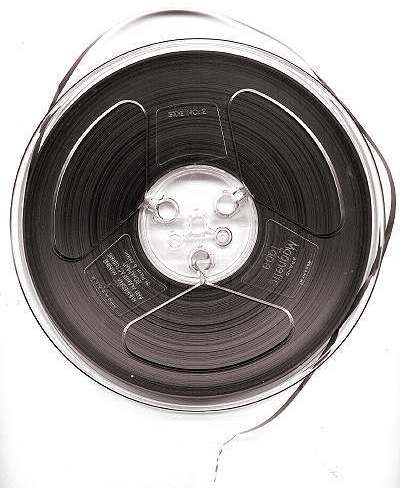
Delay effects range from a subtle echo effect to a pronounced blending of previous sounds with new sounds. Delay effects can be created using tape loops, an approach developed in the 1940s and 1950s and used by artists including Elvis Presley and Buddy Holly.
Analog effects units were introduced in the 1970s; digital effects pedals in 1984; and audio plug-in software in the 2000s.
Source and attribution
Text excerpted from Delay (audio effect) by Wikipedia contributors, available under Creative Commons Attribution-ShareAlike 4.0. The extract is abridged and formatting has been adjusted; the adapted text on this page is shared under the same licence. Revision history.
Sources
More in Music
Keep reading