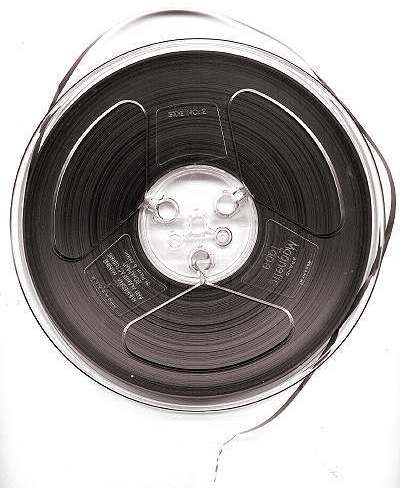
Flanging: History and Key Facts
Flanging is an audio effect produced by mixing two identical signals together, one signal delayed by a small and (usually) gradually changing period, usually smaller than 20 milliseconds.

Flanging is an audio effect produced by mixing two identical signals together, one signal delayed by a small and (usually) gradually changing period, usually smaller than 20 milliseconds. This produces a swept comb filter effect: peaks and notches are produced in the resulting frequency spectrum, related to each other in a linear harmonic series. Varying the time delay causes these to sweep up and down the frequency spectrum. A flanger is an effects unit that creates this effect.
Part of the output signal is usually fed back to the input (a re-circulating delay line), producing a resonance effect that further enhances the intensity of the peaks and troughs. The phase of the fed-back signal is sometimes inverted, producing another variation on the flanger sound.
Source and attribution
Text excerpted from Flanging by Wikipedia contributors, available under Creative Commons Attribution-ShareAlike 4.0. The extract is abridged and formatting has been adjusted; the adapted text on this page is shared under the same licence. Revision history.
Sources
More in Music
Keep reading