Microphone practice: History and Key Facts
There are a number of well-developed microphone techniques used for recording musical, film, or voice sources or picking up sounds as part of sound reinforcement systems.
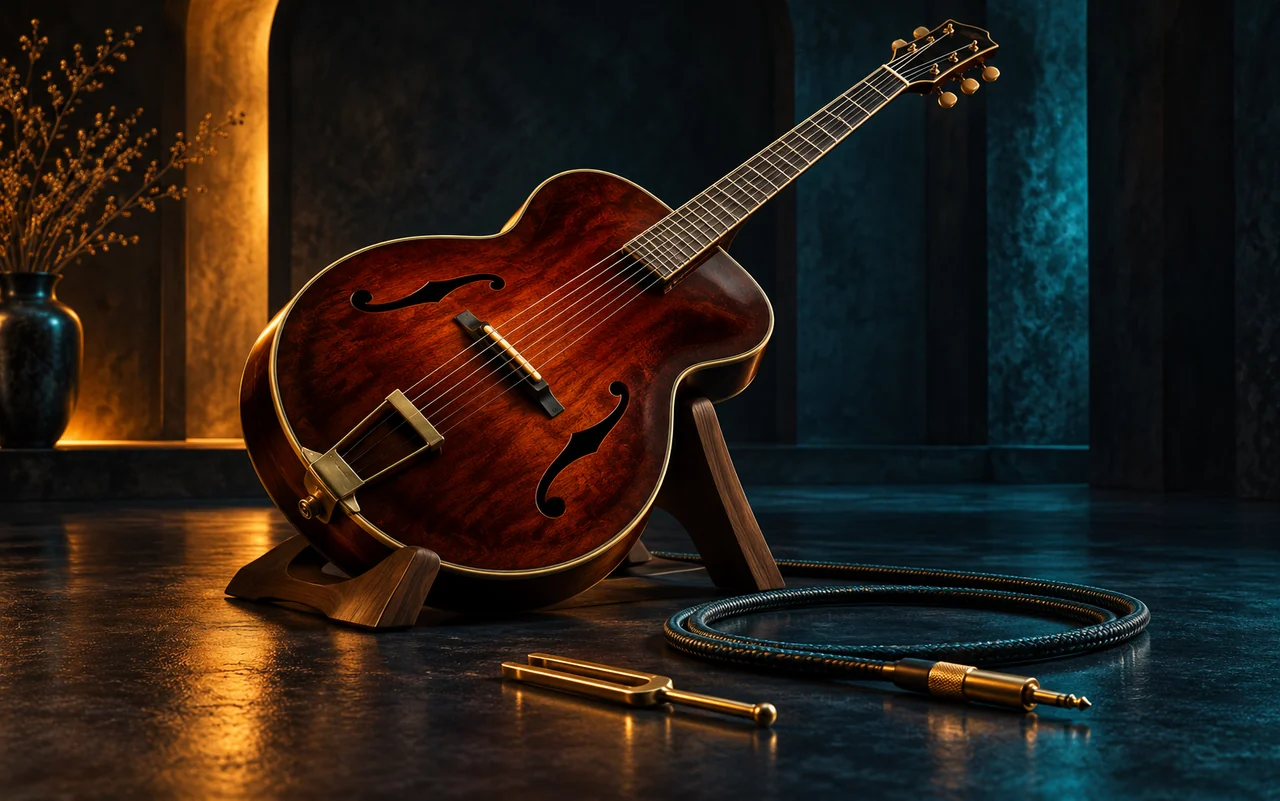
There are a number of well-developed microphone techniques used for recording musical, film, or voice sources or picking up sounds as part of sound reinforcement systems. The choice of technique depends on a number of factors, including:
The wish to capture or avoid the collection of extraneous noise. This can be a concern, especially in amplified performances, where audio feedback can be a significant problem. Alternatively, it can be a desired outcome, in situations where ambient noise is useful such as capturing hall reverberation and audience reactions in a live recording.
Degree of directionality of pickup: in some settings, such as a home video of a birthday party, the person may wish to pick up all the sounds in the room, making an omnidirectional mic desirable. However, if a TV news crew is filming a reporter at a noisy protest, they may only wish to pick up her voice, making a cardioid mic more desirable.
Choice of a signal type: Mono, stereo or multi-channel.
Source and attribution
Text excerpted from Microphone practice by Wikipedia contributors, available under Creative Commons Attribution-ShareAlike 4.0. The extract is abridged and formatting has been adjusted; the adapted text on this page is shared under the same licence. Revision history.
Sources
More in Music
Keep reading