Masque: History and Key Facts
The masque was a form of festive courtly entertainment that flourished in 16th- and early 17th-century Europe, though it was developed earlier in Italy, in forms including the intermedio (a publi
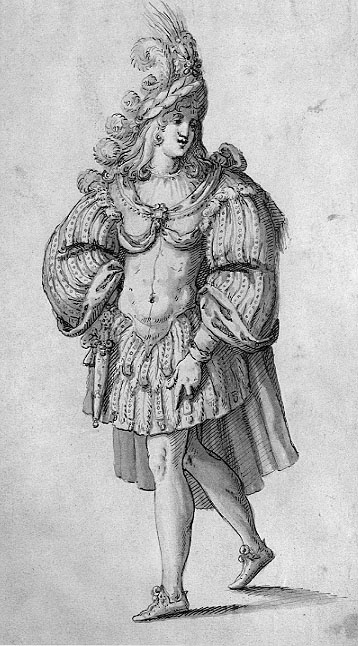
The masque was a form of festive courtly entertainment that flourished in 16th- and early 17th-century Europe, though it was developed earlier in Italy, in forms including the intermedio (a public version of the masque was the pageant). A masque involved music, dancing, singing and acting, within an elaborate stage design, in which the architectural framing and costumes might be designed by a renowned architect, to present a deferential allegory flattering to the patron. Professional actors and musicians were hired for the speaking and singing parts. Masquers who did not speak or sing were often courtiers: the English queen Anne of Denmark frequently danced with her ladies in masques between 1603 and 1611, and Henry VIII and Charles I of England performed in the masques at their courts. In the tradition of masque, Louis XIV of France danced in ballets at Versailles with music by Jean-Baptiste Lully.
Source and attribution
Text excerpted from Masque by Wikipedia contributors, available under Creative Commons Attribution-ShareAlike 4.0. The extract is abridged and formatting has been adjusted; the adapted text on this page is shared under the same licence. Revision history.
Sources
More in Stage & Theatre
Keep reading


