Mystery dinner: History and Key Facts
A mystery dinner is a popular type of dinner theater in which the play is a murder mystery, and the diners are invited to solve the mystery as they eat and watch the play.
48 articles

A mystery dinner is a popular type of dinner theater in which the play is a murder mystery, and the diners are invited to solve the mystery as they eat and watch the play.
Opera glasses and case owned by Mary Church Terrell: Date: late 19th-mid 20th century. Created by: Lemaire, French, 1846 - 1955. Owned by: Mary Church Terrell, American, 1863 - 1954.
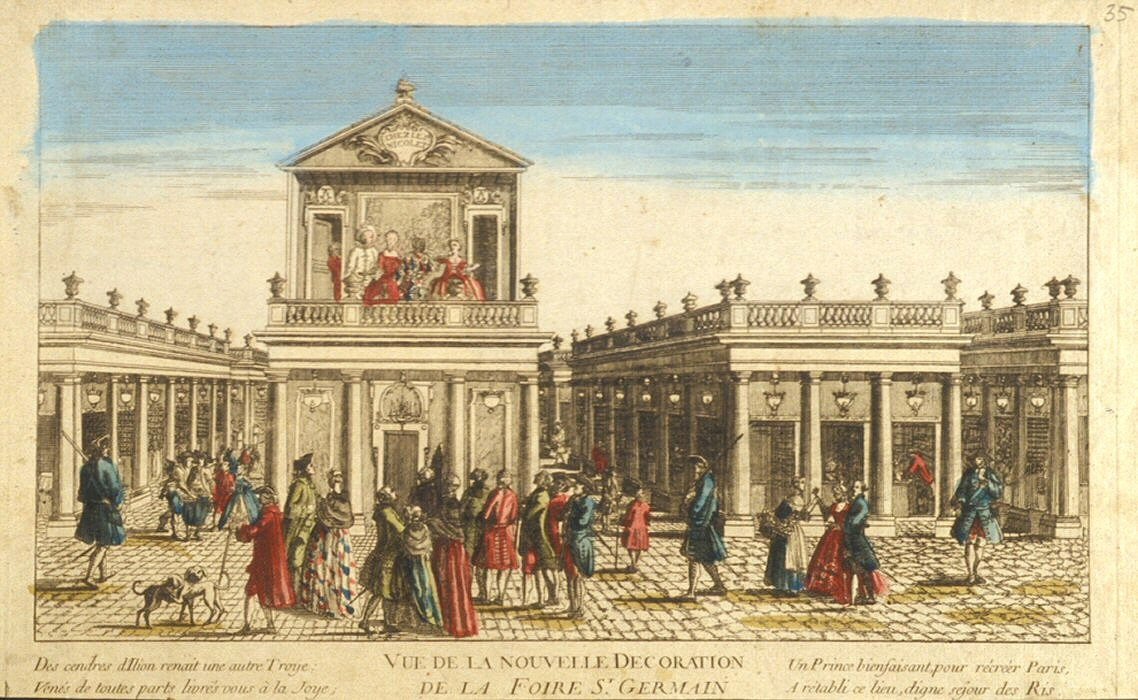
A parade is a type of French street entertainment which originated during the Renaissance.

Realism was a general movement that began in 19th-century theatre, around the 1870s, and remained present through much of the 20th century.

Development of musical theatre refers to the historical development of theatrical performance combined with music that culminated in the integrated form of modern musical theatre that combines so

Jean-Charles Deburau (French pronunciation: [ʒɑ̃ ʃaʁl dəbyʁo]; 15 February 1829 – 19 December 1873) was an important French mime, the son and successor of the legendary Jean-Gaspard Deburau, who

Antitheatricality is any form of opposition or hostility to theater.
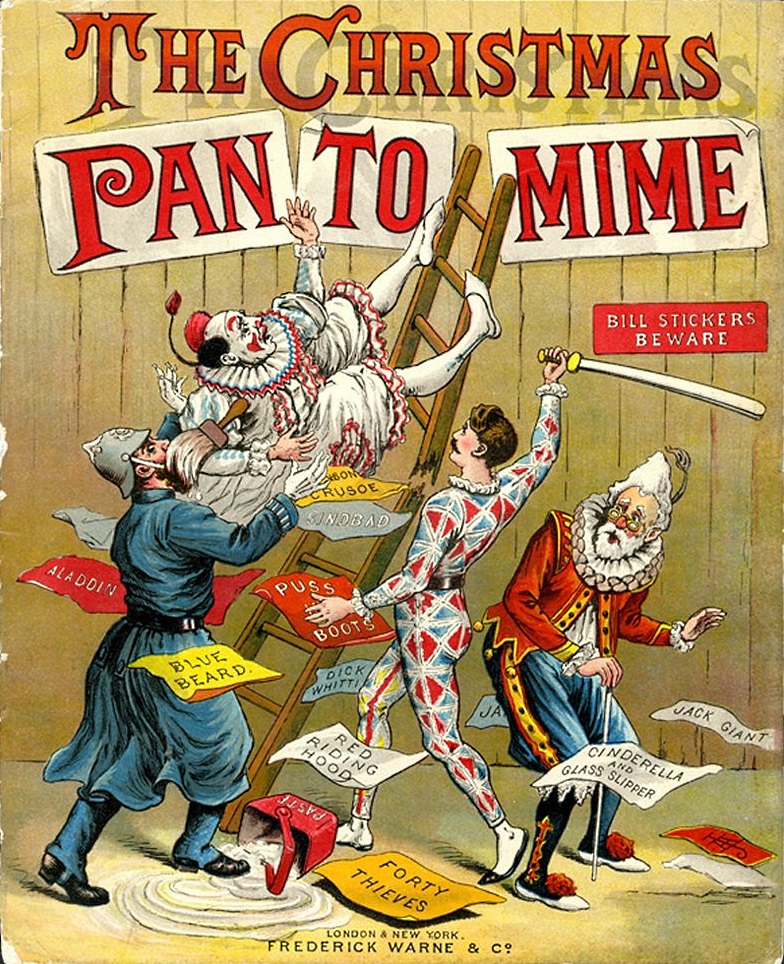
Pantomime (; informally panto) is a type of musical comedy stage production designed for family entertainment, generally combining broad and topical humour and cross-dressing actors with a story

In theater, a breeches role or breeches part (also pants role, pants part, trouser role, trouser part, and Hosenrolle) is a role in which a female actor performs in male clothing.

The well-made play (French: la pièce bien faite, pronounced [pjɛs bjɛ̃ fɛt]) is a dramatic genre from nineteenth-century theatre, developed by the French dramatist Eugène Scribe.

Commedia dell'arte was an early form of professional theatre, originating from Italian theatre, that was popular throughout Europe between the 16th and 18th centuries.

Phantasmagoria (), alternatively fantasmagorie and/or fantasmagoria, was a form of horror theatre that (among other techniques) used one or more magic lanterns to project frightening images – suc
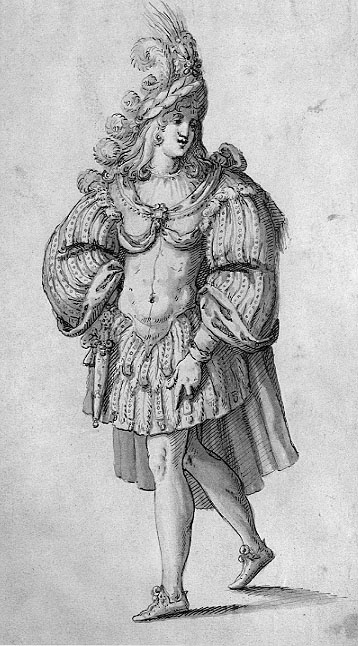
The masque was a form of festive courtly entertainment that flourished in 16th- and early 17th-century Europe, though it was developed earlier in Italy, in forms including the intermedio (a publi
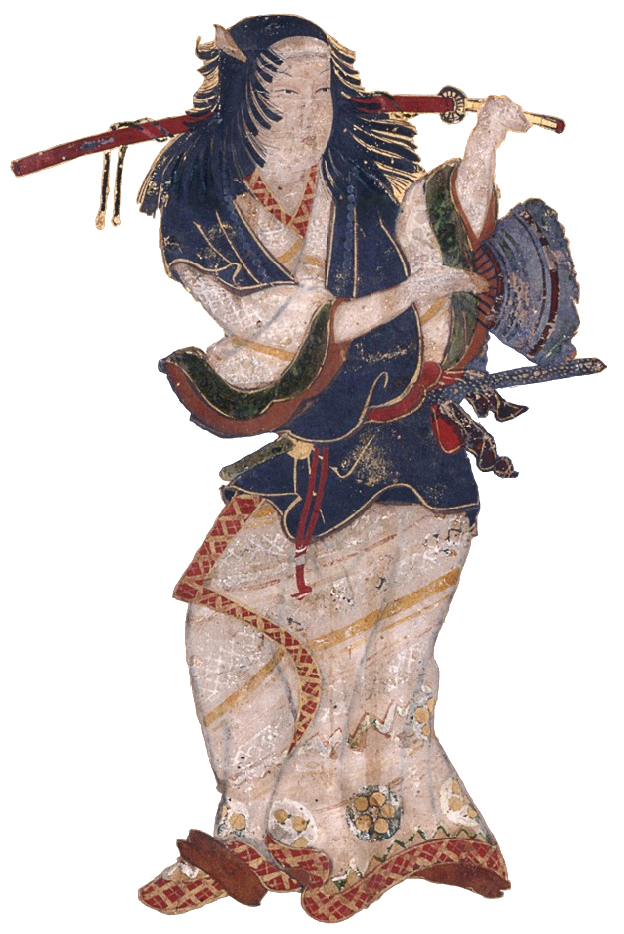
Izumo no Okuni (出雲 阿国) was a Japanese entertainer and miko (shrine maiden) who is believed to have invented the theatrical art form of kabuki.

A droll is a short comical sketch of a type that originated during the Puritan Interregnum in England.
Florence Stover from the Richmond and Von Boyle Comedy Company by Matthew S. Morgan of Strobridge Lithographing Company: Date made: n.d.. depicted: Stover, Florence. maker: Strobridge Lithographing Company.

The theatre of ancient Rome refers to the theatrical practice and performance of Rome.

The Barnum and Bailey greatest show on earth--L'Auto Bolide thrilling dip of death--M'lle Mauricia de Tiers, the fearless, young and fascinating Parisian, in a dreadful, headlong leap, loop and topsy turvy plunging somersault with an automo
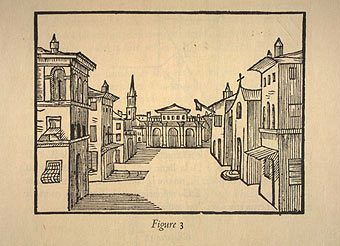
Nicola Sabbatini (1574 – 25 December 1654), also known as Niccolò Sabbatini or Nicola Sabbattini, was an Italian architect of the Baroque.

Living Newspaper is a theatrical form presenting factual information on current events to a popular audience.

A burlesque (English pronunciation: /bɜːrˈlɛsk/ ; French pronunciation: [byʁlɛsk] ) is a literary, dramatic or musical work intended to cause laughter by caricaturing the manner or spirit of seri
The sceneggiata (pronounced [ʃenedˈdʒaːta], pl.

Folk plays such as Hoodening, Guising, Mummers Play and Soul Caking are generally verse sketches performed in countryside pubs in European countries, private houses or the open air, at set times

Medieval theatre encompasses theatre in the period between the fall of the Western Roman Empire in the 5th century and the beginning of the Renaissance in approximately the 15th century.

A revue is a type of multi-act popular theatrical entertainment that combines music, dance, and sketches.

Russian Theatre or Complete Collection of All Russian Theatrical Works («Российский Ѳеатръ» или «Полное собраніе всѣхъ Россійскихъ Ѳеатральныхъ сочиненій») was a publication of the Imperial Acade

Tom show is a general term for any play or musical based (often only loosely) on the 1852 novel Uncle Tom's Cabin by Harriet Beecher Stowe.
On the Art of the Theatre: Date: 1912. Written by: Edward Gordon Craig, English, 1872 - 1966. Published by: Browne's Bookstore, American, 1908 - 1912.
General Tom Thumb by Nathaniel Currier: Date made: 1849. depicted: Thumb, Tom. maker: Currier, Nathaniel.

Kabuki (歌舞伎; Japanese pronunciation: [ka.bɯ.kʲi]) is a classical form of Japanese theatre, mixing dramatic performance with traditional dance.

The revista porteña (meaning "porteña revue" or "Buenos Aires revue" in Spanish) is a theatrical genre native to Argentina, derived from European revue, which originated in the city of Buenos Air
The New Negro: An Interpretation: Date: 1925. Written by: Alain LeRoy Locke, American, 1885 - 1954. Published by: Albert & Charles Boni.
Florence: Date made: n.d.. depicted: Florence, William Jermyn. maker: Baker, Joseph E..
Costume dress for Lady in Orange from for colored girls... on Broadway: Date: 1976-1978. Designed by: Judy Dearing, American, 1940 - 1995. Worn by: Ntozake Shange, American, 1948 - 2018.
Costume dress for Lady in Purple from for colored girls... on Broadway: Date: 1976-1978. Designed by: Judy Dearing, American, 1940 - 1995. Worn by: Risë Collins.
Desk with hutch belonging to Etta Moten Barnett: Date: 1870-1930. Manufactured by: Unidentified. Owned by: Etta Moten Barnett, American, 1901 - 2004.
Pointe shoe and tights worn by Alexandra Jacob of Dance Theatre of Harlem: Date: 2013-2014. Created by: Unidentified. Worn by: Alexandra Jacob, American.
Gelatin silver print of a line of guests arriving behind a velvet rope: Date: 1935-1939. Photograph by: Martin Harris. Subject of: Federal Theatre Project, American, 1935 - 1939.
Costume for Grind worn by Ben Vereen: Date: 1985. Created by: Barbara Matera, American, 1929 - 2001. Worn by: Ben Vereen, American, born 1946.
White platform boots for The Wiz costume worn by André De Shields: Date: 1975. Worn by: André De Shields, American, born 1946. Designed by: Geoffrey Holder, Trinidadian American, 1930 - 2014.
As one of the world's largest countries with a long history stretching back millennia, China is home to a wide variety of performing arts. This article aims to give a sampling of some of the
Photograph of Billie Holiday: Date: December 1943. Photograph by: Unidentified. Distributed by: Joe Glaser, American, 1896 - 1969.

Opera is a form of Western theatre in which music is a fundamental component and dramatic roles are taken by singers.
Photographic print of Ethel Waters as Carmen: Date: April 30, 1934. Created by: Carl Van Vechten, American, 1880 - 1964. Subject of: Ethel Waters, American, 1896 - 1977.
The Best of Moms Mabley: Date: 1967. Recorded by: Moms Mabley, American, 1897 - 1975. Produced by: Hal Mooney, American, 1911 - 1995.
Opera glasses and case owned by Mary Church Terrell: Date: late 19th-mid 20th century. Created by: Lemaire, French, 1846 - 1955. Owned by: Mary Church Terrell, American, 1863 - 1954.

Photograph of five performing showgirls: Date: early 20th-mid 20th century. Photograph by: Unidentified. Subject of: Laura Cathrell, 1914 - 1999.

Black top hat from Hello Dolly worn by Cab Callaway: Date: 1967-1970. Manufactured by: Unidentified. Worn by: Cab Calloway, American, 1907 - 1994.