Sceneggiata: History and Key Facts
The sceneggiata (pronounced [ʃenedˈdʒaːta], pl.
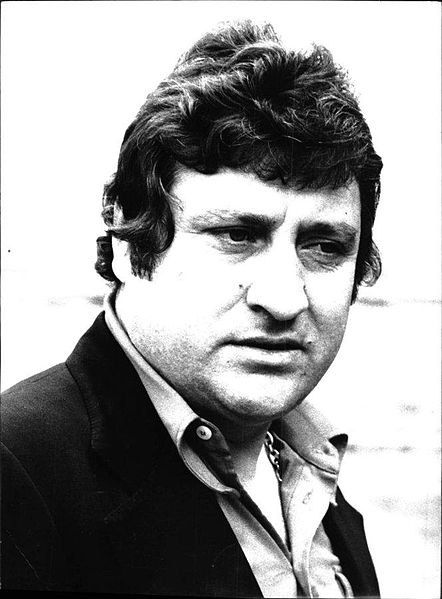
The sceneggiata (pronounced [ʃenedˈdʒaːta], pl. sceneggiate) or sceneggiata napoletana (pronounced [ʃenedˈdʒaːata napoleˈtaːna]) is a form of musical drama typical of Naples. Beginning as a form of musical theatre after World War I, it was also adapted for cinema; sceneggiata films became especially popular in the 1970s, and contributed to the genre becoming more widely known outside Naples. The most famous actors who played dramas were Mario Merola, Mario Trevi, and Nino D'Angelo.
The sceneggiata can be roughly described as a "musical soap opera", where action and dialogue are interspersed with Neapolitan songs. Plots revolve around melodramatic themes drawing from Neapolitan culture and tradition, including passion, jealousy, betrayal, personal deceit and treachery, honor, vengeance, and life in the world of petty crime. Songs and dialogue were originally in Neapolitan dialect, although, especially in filmic production, Italian has sometimes been preferred, to reach a larger audience. Outside Italy, sceneggiata is mostly known in areas populated by Italian immigrants. Besides Naples, the second homeland of sceneggiata is probably Little Italy in New York City.
Source and attribution
Text excerpted from Sceneggiata by Wikipedia contributors, available under Creative Commons Attribution-ShareAlike 4.0. The extract is abridged and formatting has been adjusted; the adapted text on this page is shared under the same licence. Revision history.
Sources
More in Stage & Theatre
Keep reading