Art pipeline: History and Key Facts
The art pipeline is the process of creating and implementing art for a particular project, most commonly associated with the creative process for developing video games.
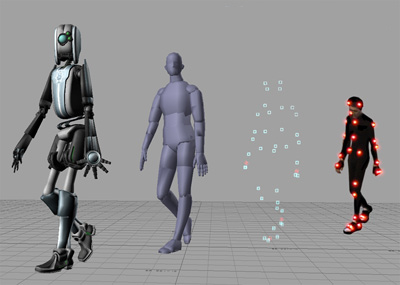
The art pipeline is the process of creating and implementing art for a particular project, most commonly associated with the creative process for developing video games. In an era of high-profile video games, wherein the creative energy of the teams and the budgets for projects surpass even some Hollywood blockbusters, graphics are ever-improving and an increasingly important selling point. Video game developers employ extensive teams of artists to carry a project's artistic goals through from the conceptual stage to the final release. A fully realized game asset, whether it is a character, background, building, object, or animation, is created in a deliberate process with different artists working on and contributing separate aspects in a step-by-step process to the final product. To facilitate this process, a number of software programs are marketed to developers as flexible tools for productively streamlining the transformation of elements created within a program to a fully realized game asset. These highly customizable programs allow users to apply plug-ins or add-ons to tailor the interactions each program will have with one another as an element moves along the pipeline from concept to completion.
The art pipeline is basically the “production line” of video game development. It is used to describe the streamlined process of development and production. It is broken down into four major categories, each with its own very specific set of steps. The phases are concept, design, pre-production, and post production.
Source and attribution
Text excerpted from Art pipeline by Wikipedia contributors, available under Creative Commons Attribution-ShareAlike 4.0. The extract is abridged and formatting has been adjusted; the adapted text on this page is shared under the same licence. Revision history.
Sources
More in Animation
Keep reading