Interlude (1932): Art, History and Details
Interlude at the Cleveland Museum of Art: 1932, oil print, Rawlins oil print process. Explore the work's context, creator attribution and collection history.
Oldest entries first, in a fixed order. Newly added articles appear at the end. Explore a shuffled selection →

Interlude at the Cleveland Museum of Art: 1932, oil print, Rawlins oil print process. Explore the work's context, creator attribution and collection history.
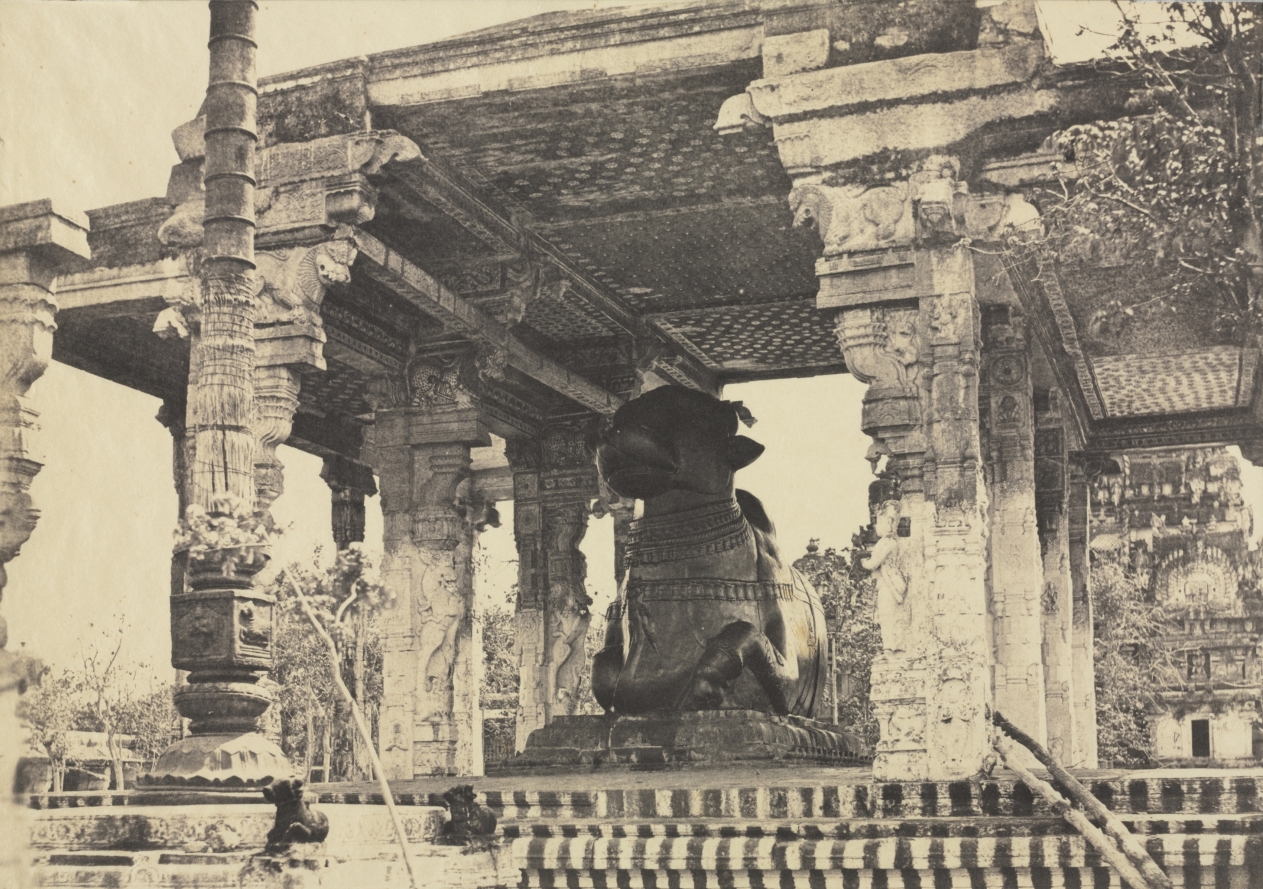
Great Pagoda, Great Bull, Front View, Tanjore, India (Rajarajeshvara Temple), plate 12 from Photographic Views of Tanjore and Trivady (Madras: Madras Presidency) at the Cleveland Museum of Art: 1857, salted paper print from calotype negativ

Prosper M. Wetmore at the Cleveland Museum of Art: 1857, salted paper print from wet collodion negative. Explore the work's context, creator attribution and collection history.
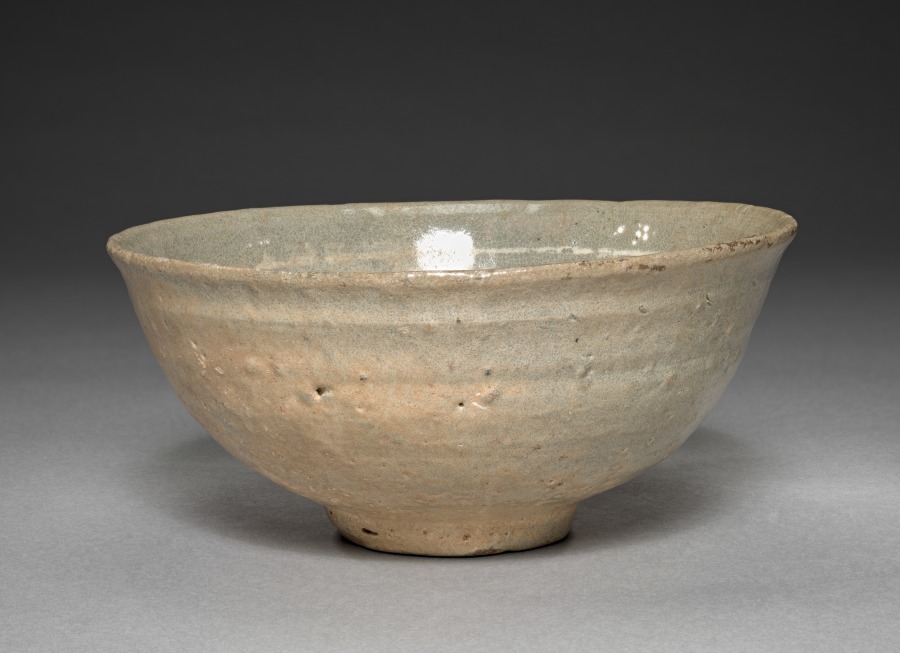
Bowl with White-slip Decorations at the Cleveland Museum of Art: 1600s, glazed ceramic. Explore the work's context, creator attribution and collection history.

Portrait of Maharaja Rai Singh of Bikaner (reigned 1574-1612) at the Cleveland Museum of Art: c. 1590, Ink and gum tempera on paper. Explore the work's context, creator attribution and collection history.

Portrait of a Woman at the Cleveland Museum of Art: c 1675–1700, Gum tempera, ink, and gold on paper. Explore the work's context, creator attribution and collection history.
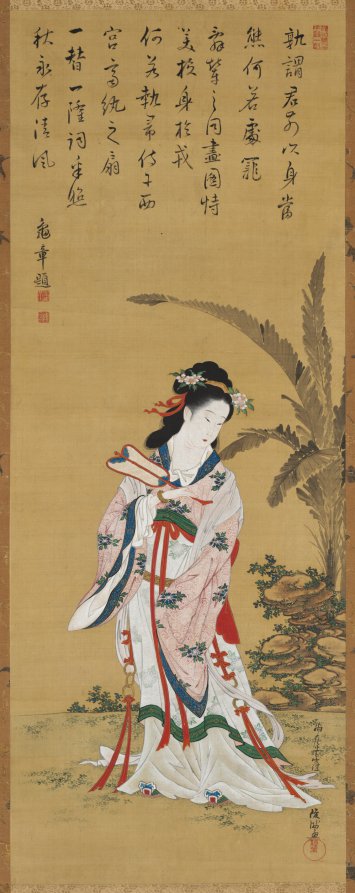
Chinese Beauty at the Cleveland Museum of Art: late 1700s–early 1800s, Hanging scroll; ink and color on silk. Explore the work's context, creator attribution and collection history.
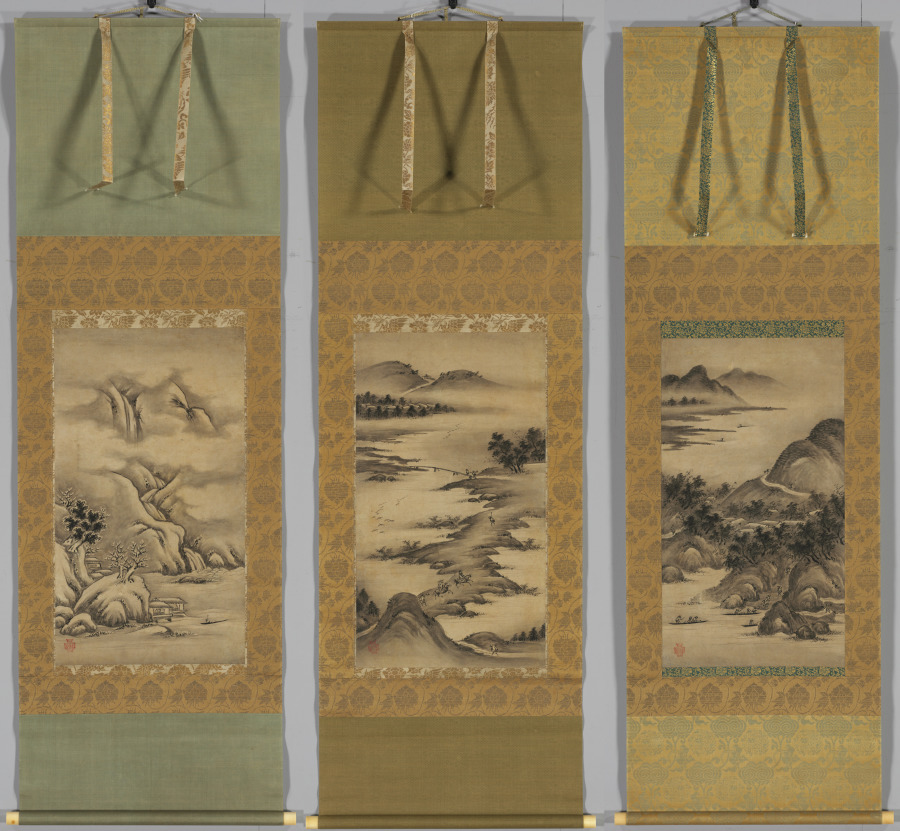
Seasonal Landscapes at the Cleveland Museum of Art: mid- to late 1500s, hanging scroll; ink on paper. Explore the work's context, creator attribution and collection history.
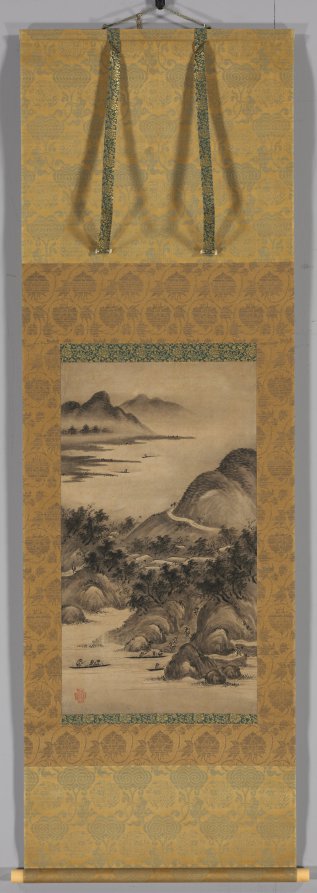
Seasonal Landscapes: Summer at the Cleveland Museum of Art: mid- to late 1500s, hanging scroll, ink on paper. Explore the work's context, creator attribution and collection history.
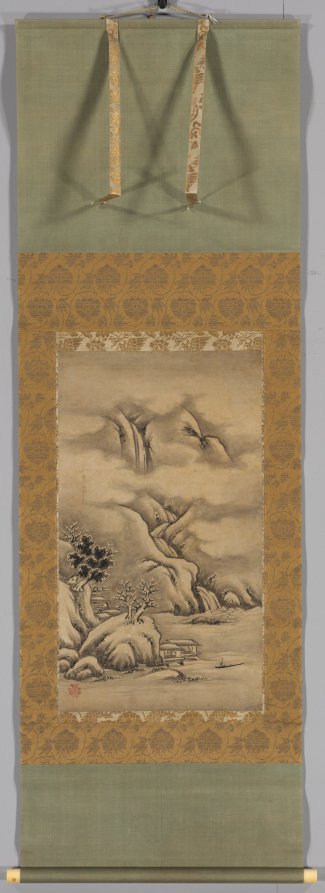
Seasonal Landscapes: Winter at the Cleveland Museum of Art: mid- to late 1500s, hanging scroll, ink on paper. Explore the work's context, creator attribution and collection history.
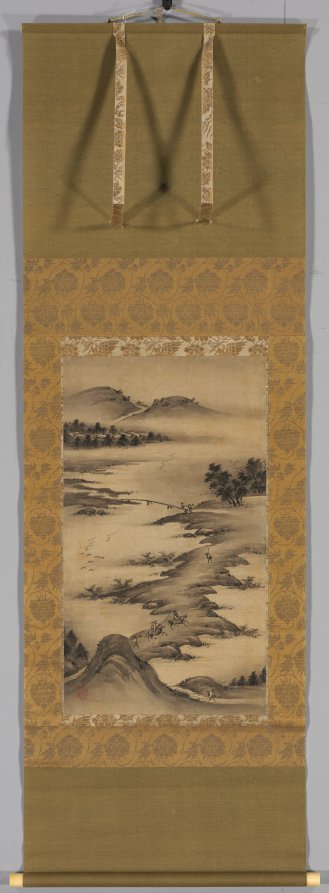
Seasonal Landscapes: Autumn at the Cleveland Museum of Art: mid- to late 1500s, hanging scroll, ink on paper. Explore the work's context, creator attribution and collection history.

Festival of Insects at the Cleveland Museum of Art: c. 1615–1868, Hanging scroll; ink on paper. Explore the work's context, creator attribution and collection history.
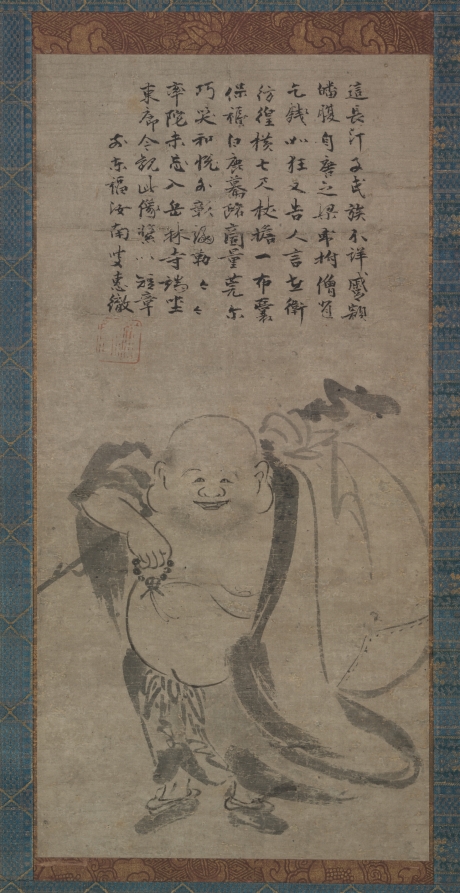
Budai at the Cleveland Museum of Art: late 1400s, hanging scroll; ink on paper. Explore the work's context, creator attribution and collection history.
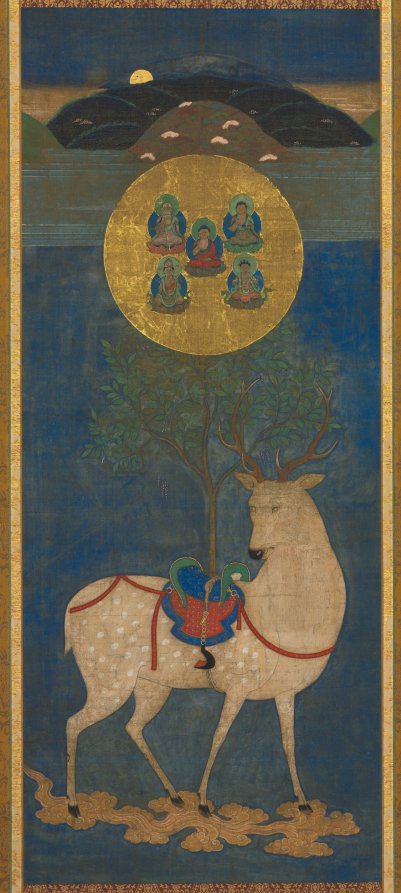
Kasuga Deer Mandala at the Cleveland Museum of Art: mid-1300s–1400s, hanging scroll; ink, color and gold on silk. Explore the work's context, creator attribution and collection history.
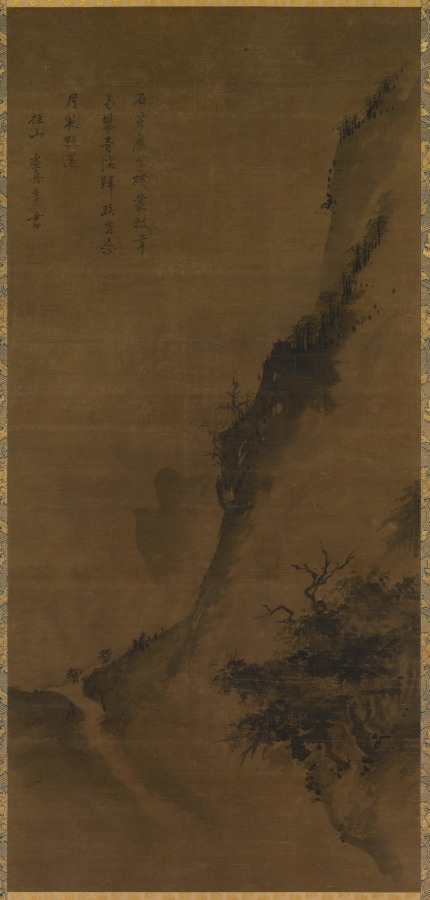
Landscape with Woodcutters Returning Home at the Cleveland Museum of Art: 1200s, hanging scroll, ink on silk. Explore the work's context, creator attribution and collection history.
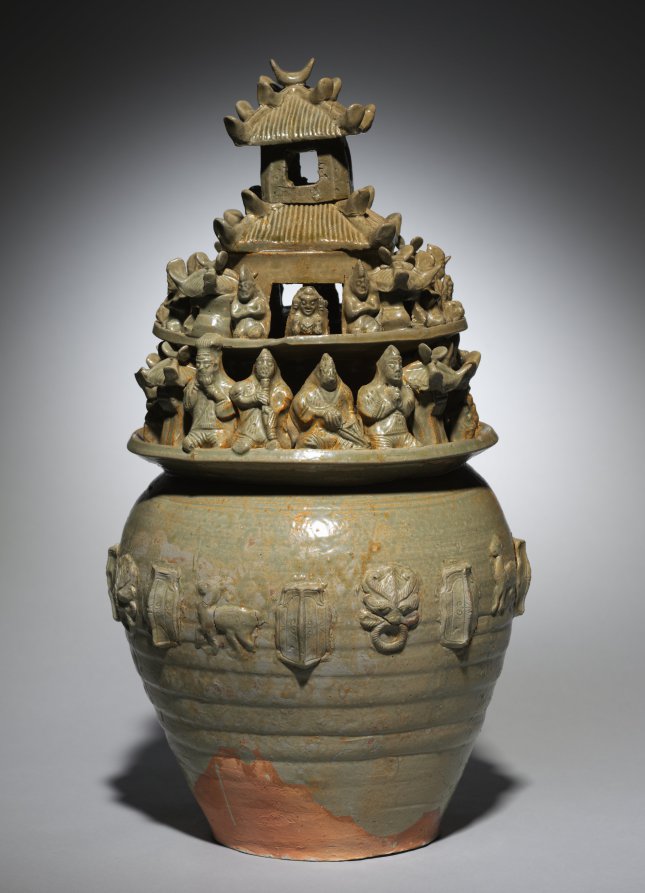
Funerary Urn (Hunping) at the Cleveland Museum of Art: late 200s CE, green-glazed stoneware with molded and sculpted decoration. Explore the work's context, creator attribution and collection history.
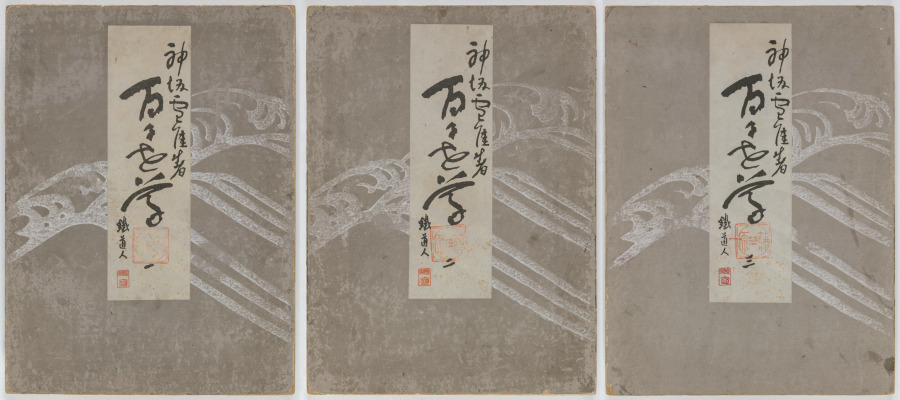
Flowers of a Hundred Worlds (Momoyogusa), vols. 1–3 at the Cleveland Museum of Art: 1909–10, set of three woodblock printed folding-books; ink, color, gold, and silver on paper. Explore the work's context, creator attribution and collection
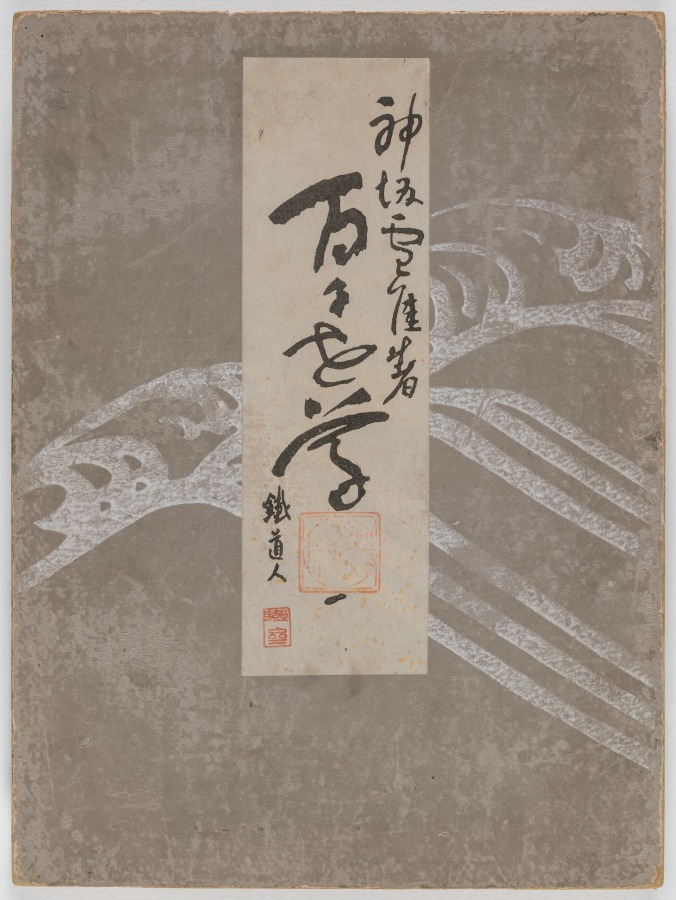
Flowers of a Hundred Worlds (Momoyogusa), Vol. 1 at the Cleveland Museum of Art: 1909–10, one of a set of three woodblock-printed folding-books; ink, color, gold, and silver on paper. Explore the work's context, creator attribution and coll
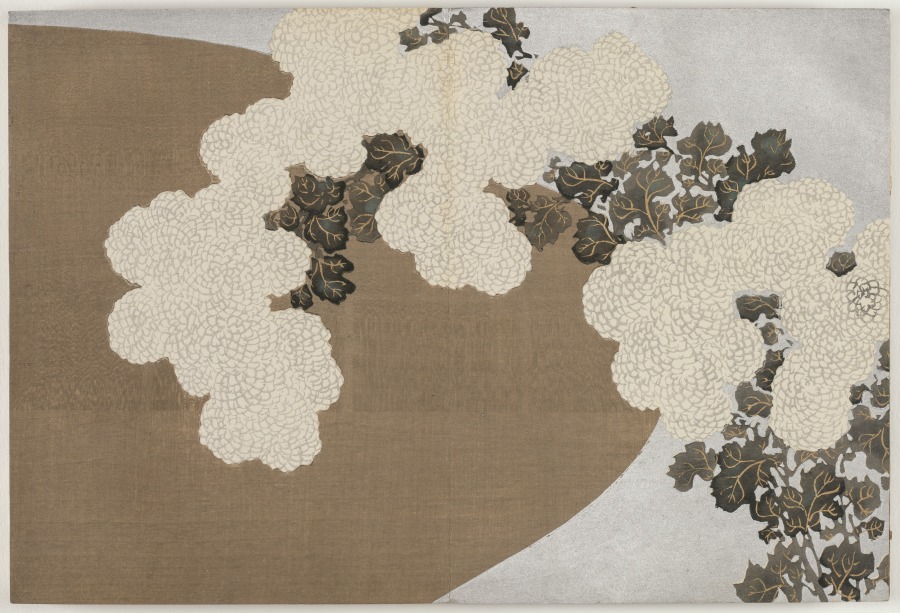
Flowers of a Hundred Worlds (Momoyogusa): Chrysanthemums (Momoyogusa) at the Cleveland Museum of Art: 1909–10, color woodcuts with gold and silver. Explore the work's context, creator attribution and collection history.
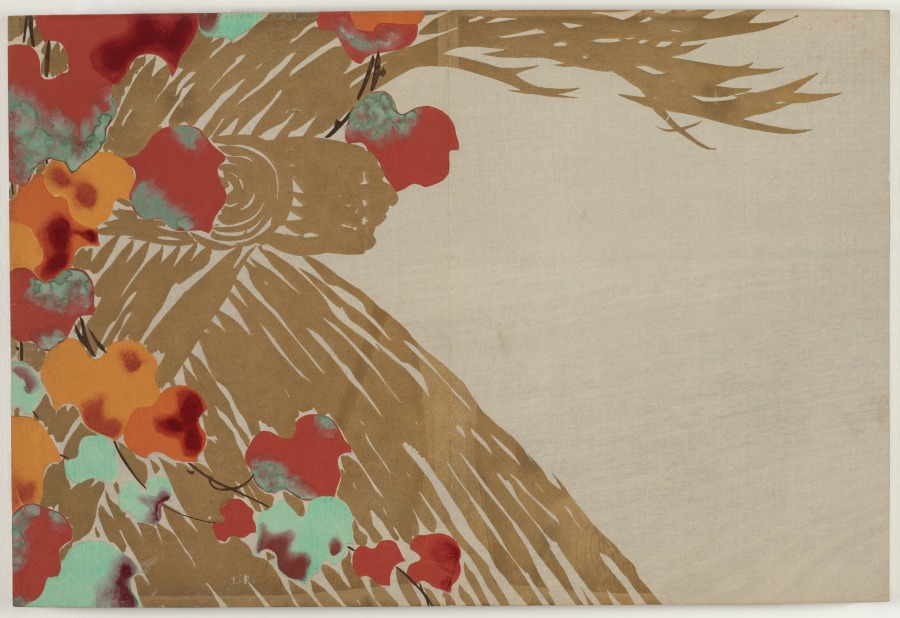
Flowers of a Hundred Worlds (Momoyogusa): Ivy (Tsuta) at the Cleveland Museum of Art: 1909–10, color woodcuts with gold and silver. Explore the work's context, creator attribution and collection history.

Flowers of a Hundred Worlds (Momoyogusa): Autumn Flowers (Aki no hana) at the Cleveland Museum of Art: 1909–10, color woodcuts with gold and silver. Explore the work's context, creator attribution and collection history.
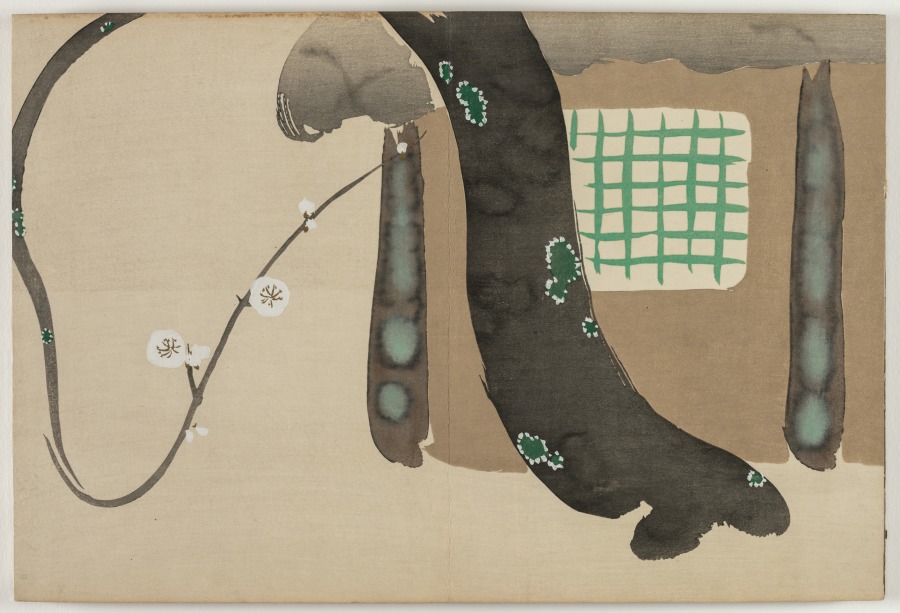
Flowers of a Hundred Worlds (Momoyogusa): Plum by the Eaves (Nokiba no ume) at the Cleveland Museum of Art: 1909–10, color woodcuts with gold and silver. Explore the work's context, creator attribution and collection history.
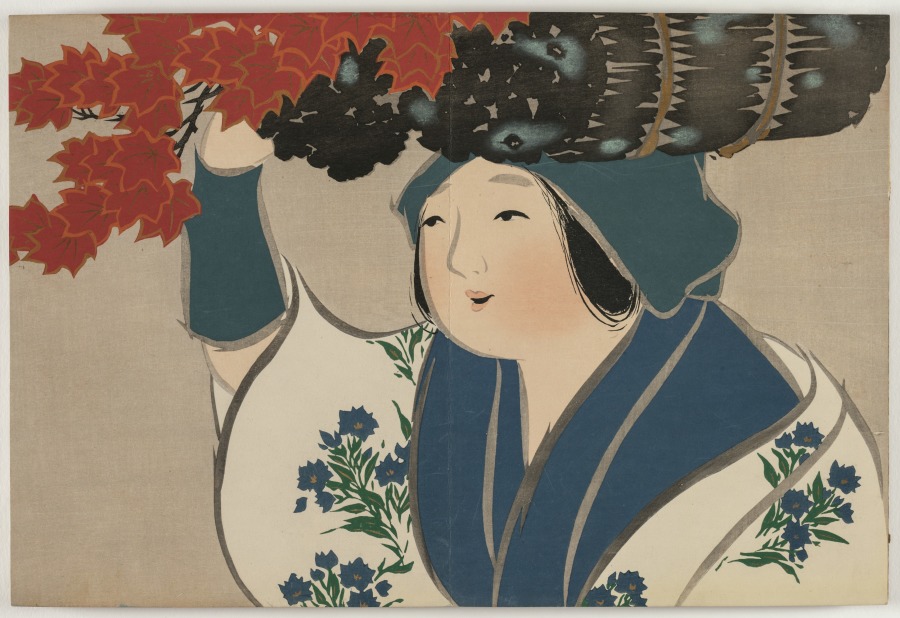
Flowers of a Hundred Worlds (Momoyogusa): Kindling Salesgirl (Kurokiuri) at the Cleveland Museum of Art: 1909–10, color woodcuts with gold and silver. Explore the work's context, creator attribution and collection history.

Flowers of a Hundred Worlds (Momoyogusa): Fishing Village (Ryoson) at the Cleveland Museum of Art: 1909–10, color woodcuts with gold and silver. Explore the work's context, creator attribution and collection history.

Flowers of a Hundred Worlds (Momoyogusa): Kasuga Plain (Kasugano) at the Cleveland Museum of Art: 1909–10, color woodcuts with gold and silver. Explore the work's context, creator attribution and collection history.

Flowers of a Hundred Worlds (Momoyogusa): The Third Month (Yayoi) at the Cleveland Museum of Art: 1909–10, color woodcuts with gold and silver. Explore the work's context, creator attribution and collection history.

Flowers of a Hundred Worlds (Momoyogusa): Rising Waves (Tachinami) at the Cleveland Museum of Art: 1909–10, color woodcuts with gold and silver. Explore the work's context, creator attribution and collection history.

Flowers of a Hundred Worlds (Momoyogusa): Peonies (Fukamigusa) at the Cleveland Museum of Art: 1909–10, color woodcuts with gold and silver. Explore the work's context, creator attribution and collection history.

Flowers of a Hundred Worlds (Momoyogusa): Eight Bridges (Yatsuhashi) at the Cleveland Museum of Art: 1909–10, color woodcuts with gold and silver. Explore the work's context, creator attribution and collection history.
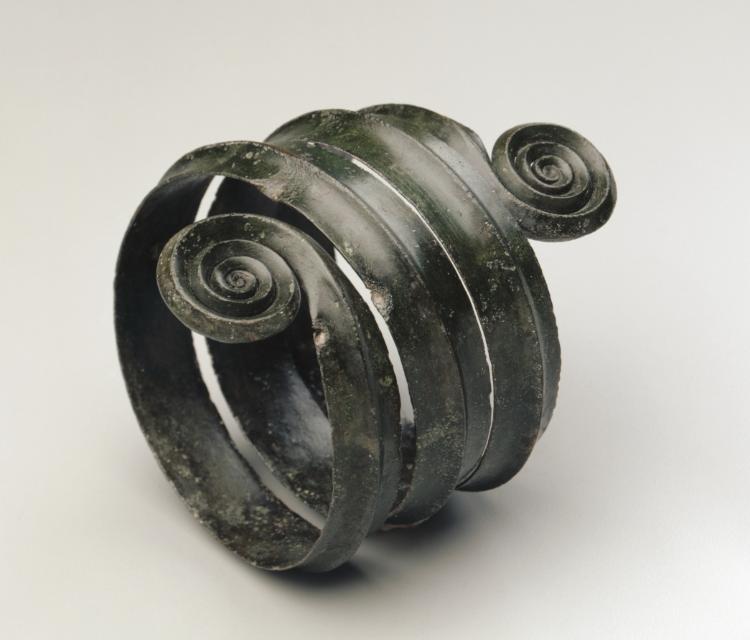
Turned Armilla at the Cleveland Museum of Art: c. 1500 BCE, bronze, wrought. Explore the work's context, creator attribution and collection history.
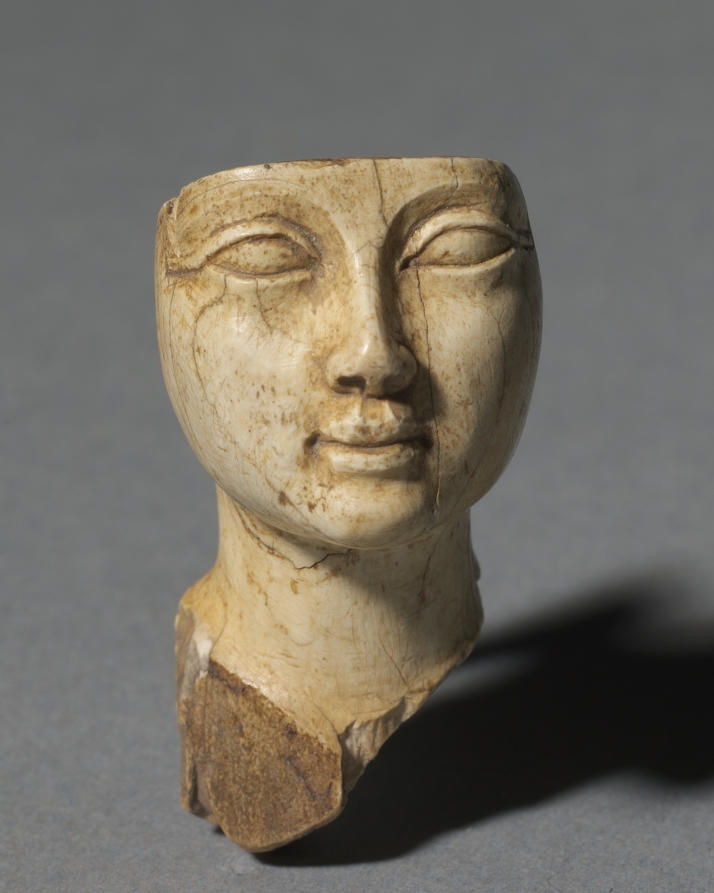
Face from a Cosmetic Spoon at the Cleveland Museum of Art: 1391–1353 BCE, ivory. Explore the work's context, creator attribution and collection history.
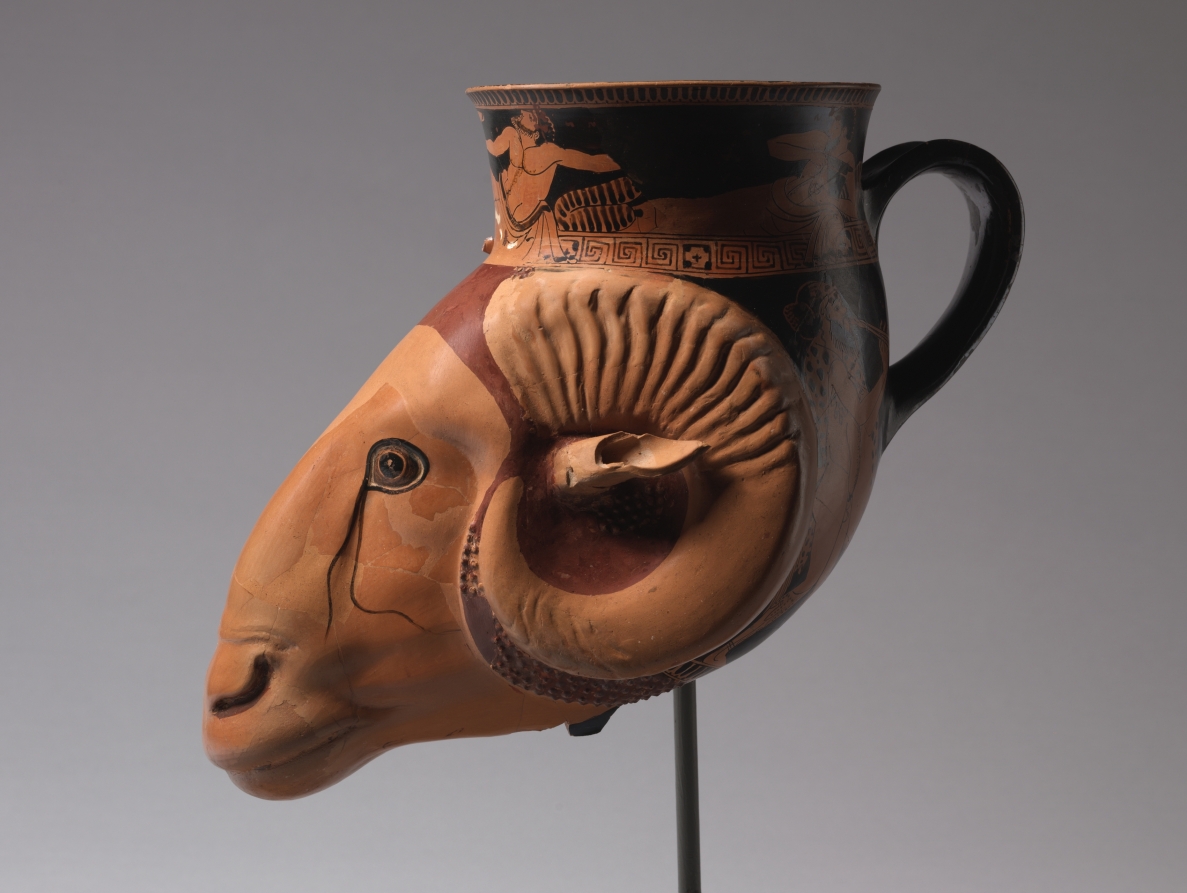
Red-Figure Ram-Head Rhyton (Drinking Vessel): Symposiasts; Satyr and Maenad at the Cleveland Museum of Art: c. 480–470 BCE, ceramic. Explore the work's context, creator attribution and collection history.
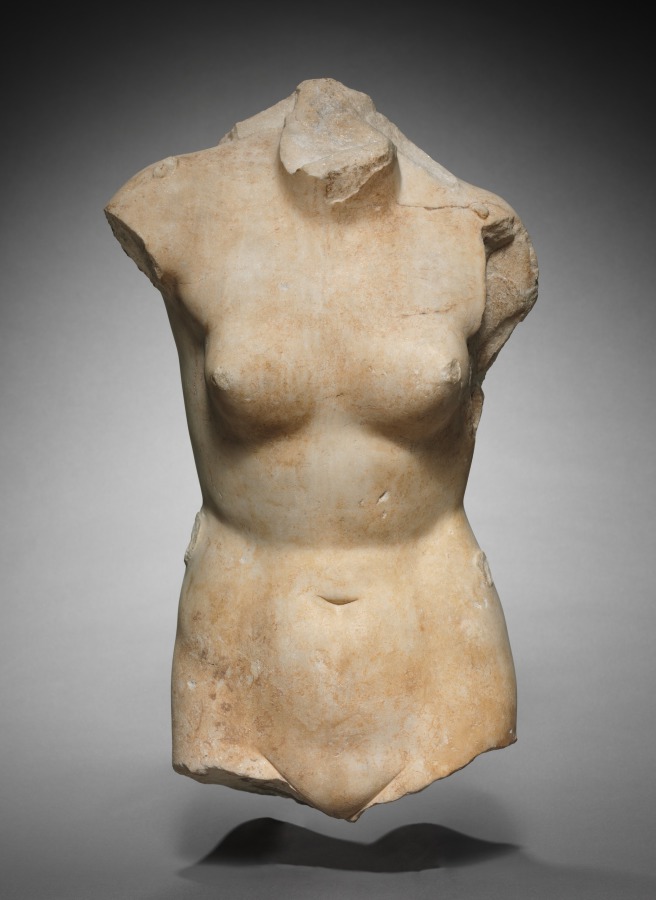
Aphrodite Torso at the Cleveland Museum of Art: c. 200–1 BCE, Thasian marble. Explore the work's context, creator attribution and collection history.

Flowers of a Hundred Worlds (Momoyogusa): Taira no Tadanori (Tadanori) at the Cleveland Museum of Art: 1909–10, color woodcuts with gold and silver. Explore the work's context, creator attribution and collection history.

Flowers of a Hundred Worlds (Momoyogusa): Mount Fuji (Fuji) at the Cleveland Museum of Art: 1909–10, color woodcuts with gold and silver. Explore the work's context, creator attribution and collection history.

Flowers of a Hundred Worlds (Momoyogusa): Folding Fans (Suehiro) at the Cleveland Museum of Art: 1909–10, color woodcuts with gold and silver. Explore the work's context, creator attribution and collection history.

Flowers of a Hundred Worlds (Momoyogusa): Morning Glories (Asagao) at the Cleveland Museum of Art: 1909–10, color woodcuts with gold and silver. Explore the work's context, creator attribution and collection history.
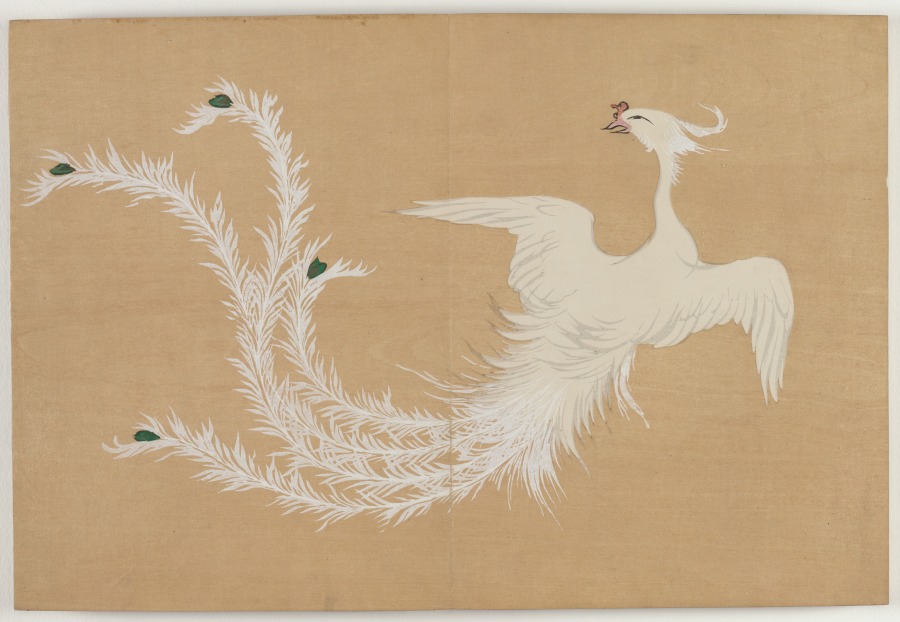
Flowers of a Hundred Worlds (Momoyogusa): White Phoenix (Hakuho) at the Cleveland Museum of Art: 1909–10, color woodcuts with gold and silver. Explore the work's context, creator attribution and collection history.

Flowers of a Hundred Worlds (Momoyogusa): Swirling Snow (Tomoe no yuki) at the Cleveland Museum of Art: 1909–10, color woodcut with gold and silver. Explore the work's context, creator attribution and collection history.

Flowers of a Hundred Worlds (Momoyogusa): Nonomiya (Nonomiya) at the Cleveland Museum of Art: 1909–10, color woodcuts with gold and silver. Explore the work's context, creator attribution and collection history.