Coin Portraying King Vabalathus (270-275): Artwork and History
Coin Portraying King Vabalathus at the Art Institute of Chicago: date, artist attribution, materials and the museum's explanation of the work.
Oldest entries first, in a fixed order. Newly added articles appear at the end. Explore a shuffled selection →

Coin Portraying King Vabalathus at the Art Institute of Chicago: date, artist attribution, materials and the museum's explanation of the work.

Coin Portraying Emperor Tetricus I at the Art Institute of Chicago: date, artist attribution, materials and the museum's explanation of the work.

Coin Portraying Emperor Tetricus II at the Art Institute of Chicago: date, artist attribution, materials and the museum's explanation of the work.

Coin Portraying Emperor Probus at the Art Institute of Chicago: date, artist attribution, materials and the museum's explanation of the work.

Coin Portraying Emperor Diocletian at the Art Institute of Chicago: date, artist attribution, materials and the museum's explanation of the work.

Coin Portraying Emperor Galerius Maximianus at the Art Institute of Chicago: date, artist attribution, materials and the museum's explanation of the work.

Coin Portraying Emperor Marcus Aurelius Valerius Maximianus (Maximian or Maximianus I) at the Art Institute of Chicago: date, artist attribution, materials and the museum's explanation of the work.

Coin Portraying Emperor Constantius I at the Art Institute of Chicago: date, artist attribution, materials and the museum's explanation of the work.

Coin Portraying Empress Theodora at the Art Institute of Chicago: date, artist attribution, materials and the museum's explanation of the work.

Coin Portraying Emperor Galerius Maximianus at the Art Institute of Chicago: date, artist attribution, materials and the museum's explanation of the work.

Coin Portraying Emperor Maxentius at the Art Institute of Chicago: date, artist attribution, materials and the museum's explanation of the work.

Coin Portraying Emperor Constantine I at the Art Institute of Chicago: date, artist attribution, materials and the museum's explanation of the work.

Coin Portraying Emperor Constantine II at the Art Institute of Chicago: date, artist attribution, materials and the museum's explanation of the work.

Coin Portraying Emperor Julian at the Art Institute of Chicago: date, artist attribution, materials and the museum's explanation of the work.

Coin Portraying Emperor Valens at the Art Institute of Chicago: date, artist attribution, materials and the museum's explanation of the work.

Tetradrachm (Coin) Portraying Emperor Gallienus at the Art Institute of Chicago: date, artist attribution, materials and the museum's explanation of the work.

Drachm (Coin) Portraying King Orodes I at the Art Institute of Chicago: date, artist attribution, materials and the museum's explanation of the work.

Drachm (Coin) Portraying King Gotarzes II at the Art Institute of Chicago: date, artist attribution, materials and the museum's explanation of the work.

Drachm (Coin) Portraying King Mithradates IV at the Art Institute of Chicago: date, artist attribution, materials and the museum's explanation of the work.

Hyperpyron (Coin) of Andronicus II Palaeologus and Michael IX at the Art Institute of Chicago: date, artist attribution, materials and the museum's explanation of the work.

Jerry James Stone is an American food blogger, vegetarian chef, activist, and internet personality, known for simple gourmet recipes, advocacy for a sustainable food and wine movement, and as a s
Alessandro Stratta (born October 29, 1964) is an American celebrity chef and restaurateur.

Meta-Discourse on the Teachings from the Treasury (Abidharmakosha-Bhashya) at the Cleveland Museum of Art: 1100s, handscroll; gold and silver on indigo-dyed paper. Explore the work's context, creator attribution and collection history.
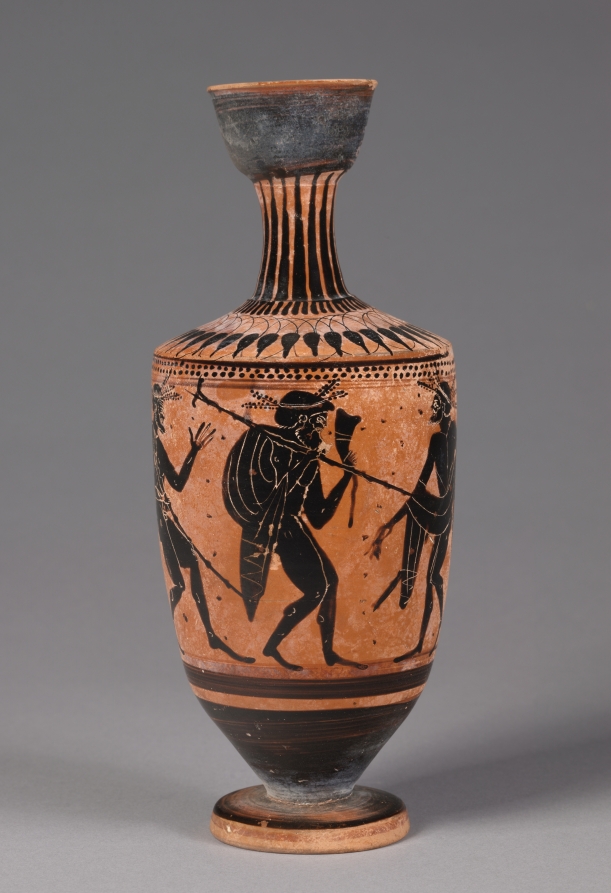
Black-Figure Lekythos (Oil Vessel): Komos (Revel) at the Cleveland Museum of Art: c. 500 BCE, ceramic. Explore the work's context, creator attribution and collection history.
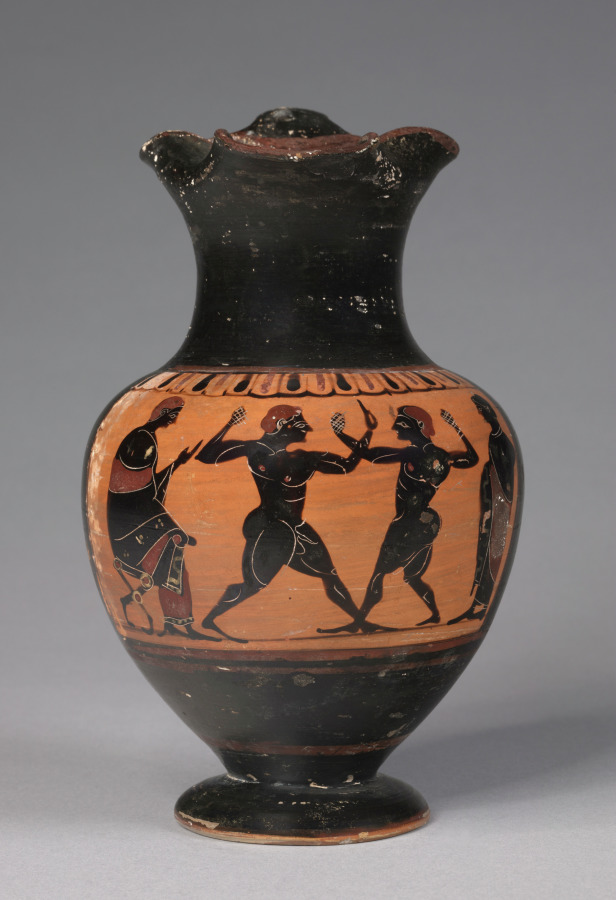
Black-Figure Oinochoe (Wine Jug): Boxers at the Cleveland Museum of Art: c. 550–540 BCE, ceramic. Explore the work's context, creator attribution and collection history.
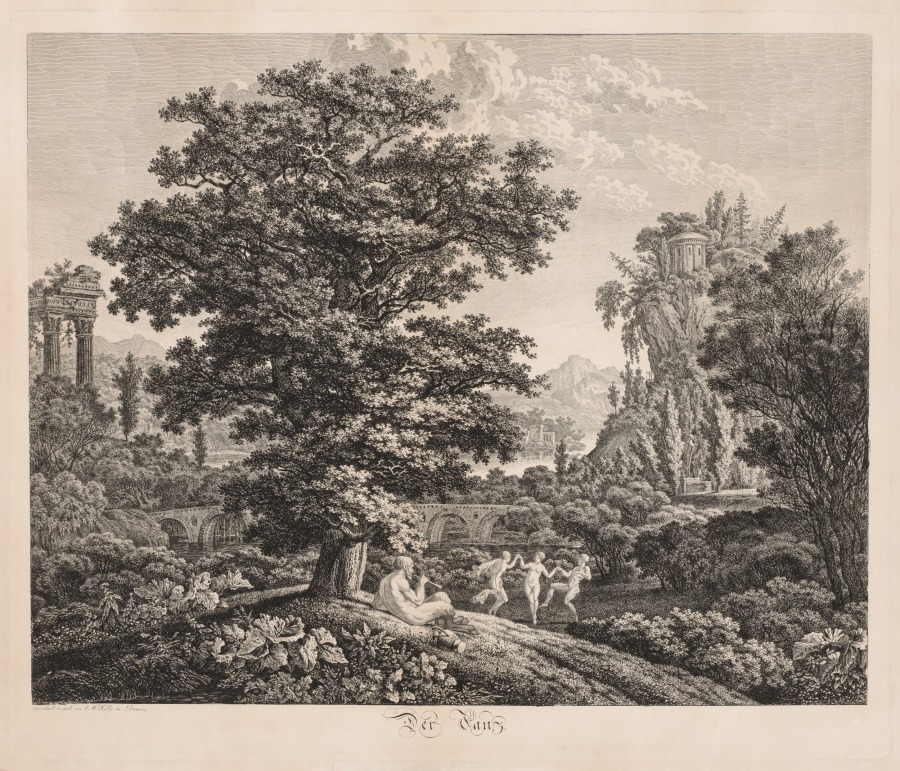
The Dance at the Cleveland Museum of Art: 1799, engraving. Explore the work's context, creator attribution and collection history.
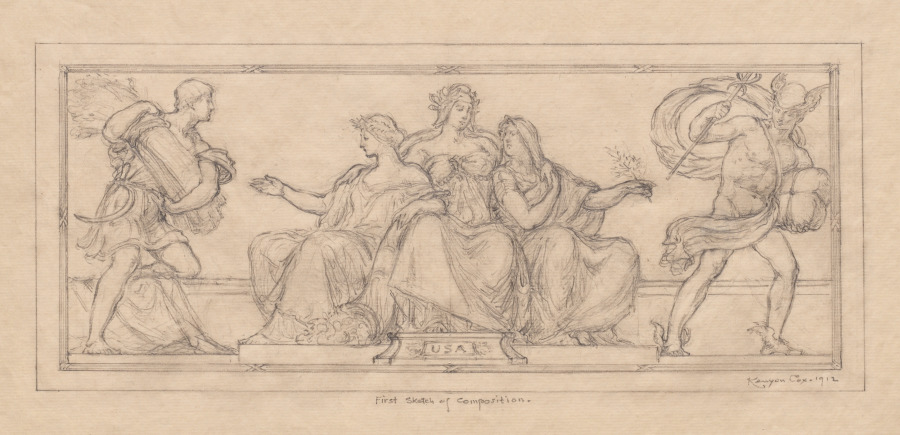
Design for United States Currency at the Cleveland Museum of Art: 1912, graphite. Explore the work's context, creator attribution and collection history.

Black and White Elbow Gauntlet for the Right Hand at the Cleveland Museum of Art: c.1570, steel, blackened with leather. Explore the work's context, creator attribution and collection history.
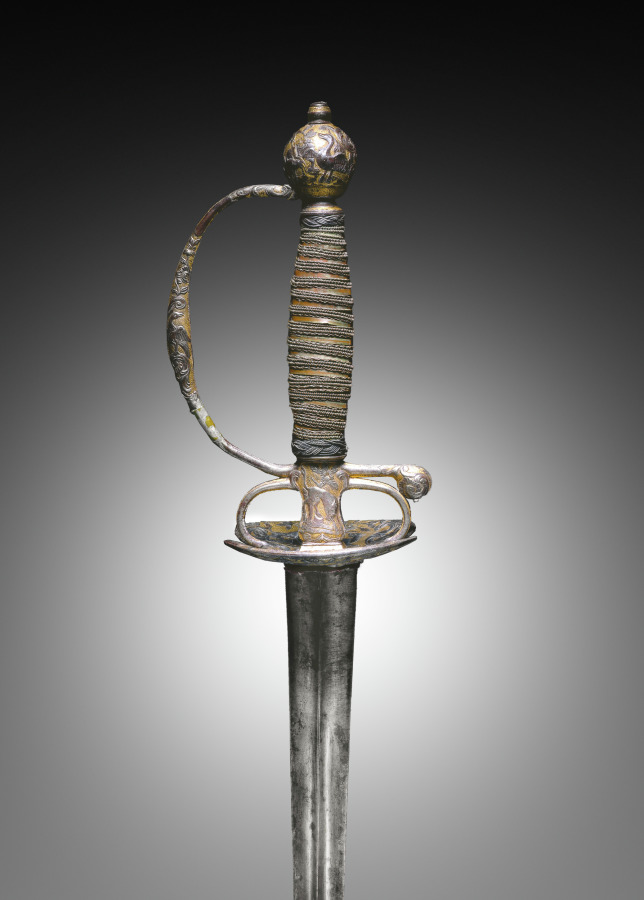
Small Sword at the Cleveland Museum of Art: c.1750–60, steel, gilt and russeted, copper, wood. Explore the work's context, creator attribution and collection history.
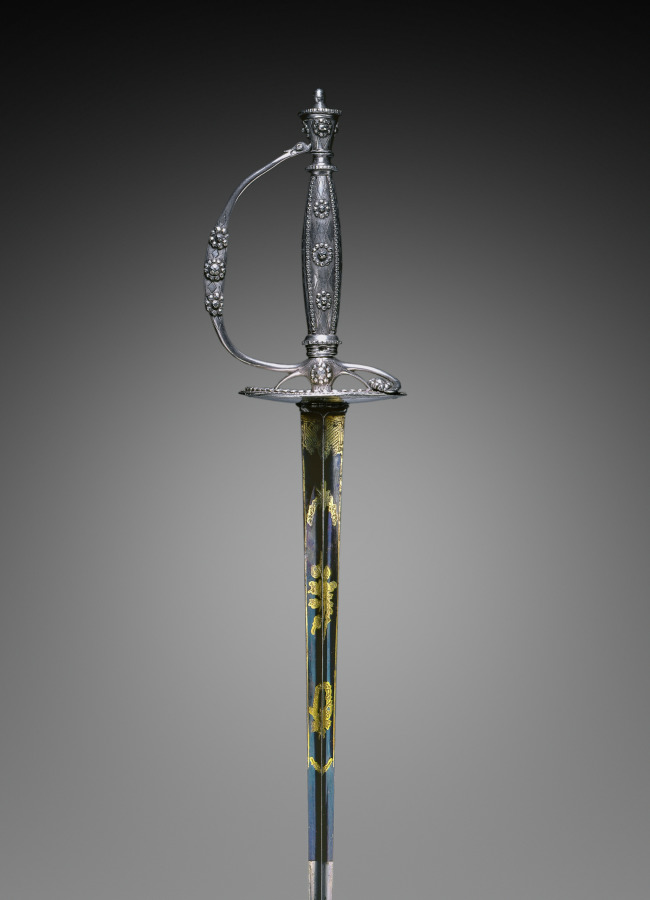
Court Sword at the Cleveland Museum of Art: c. 1790, steel; silver hilt, polished and faceted; blade partially blued and gilded. Explore the work's context, creator attribution and collection history.
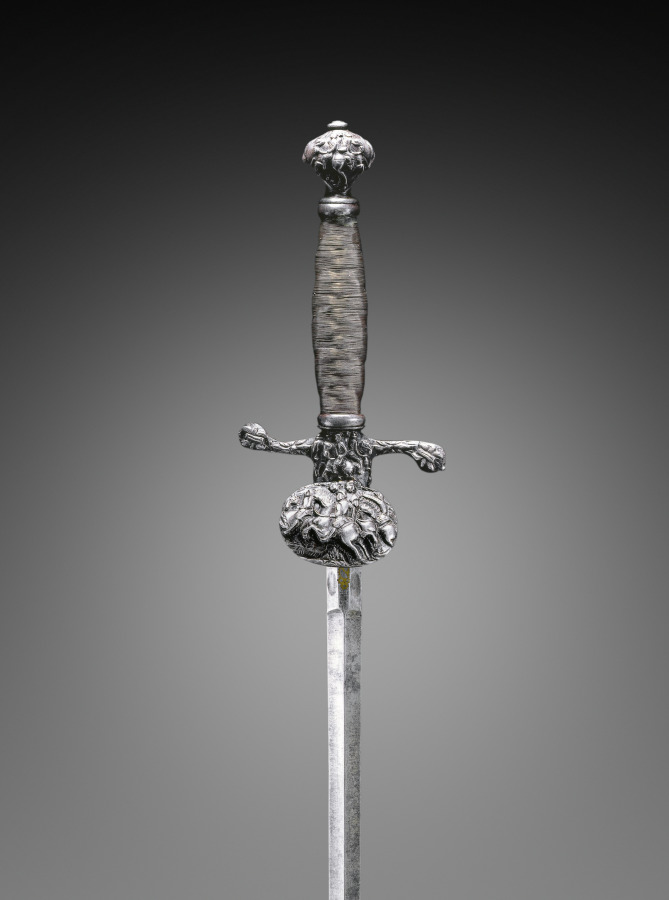
Small Sword at the Cleveland Museum of Art: 1700s, steel, copper alloy inlays; wood grip with steel wire. Explore the work's context, creator attribution and collection history.
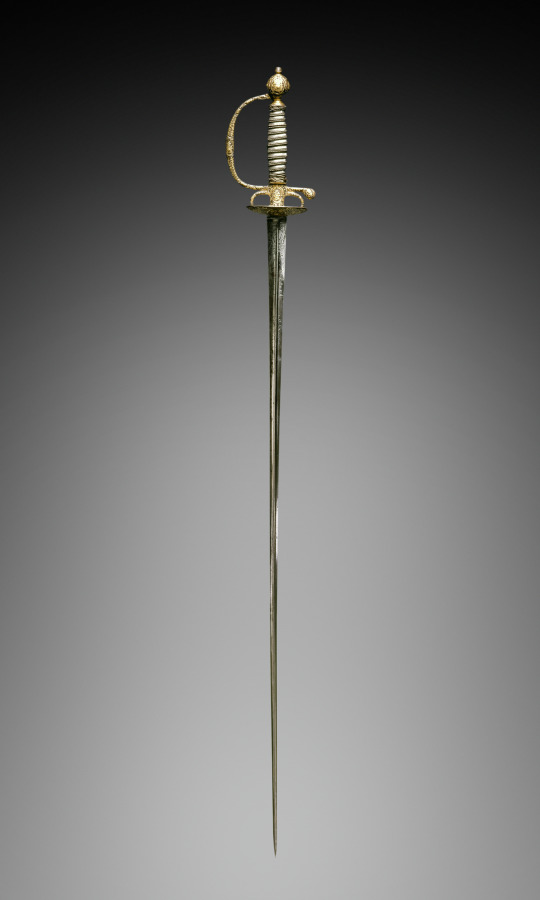
Smallsword at the Cleveland Museum of Art: c. 1730, steel, blued, with gold encrusted decoration; chased and engraved; silver wire. Explore the work's context, creator attribution and collection history.
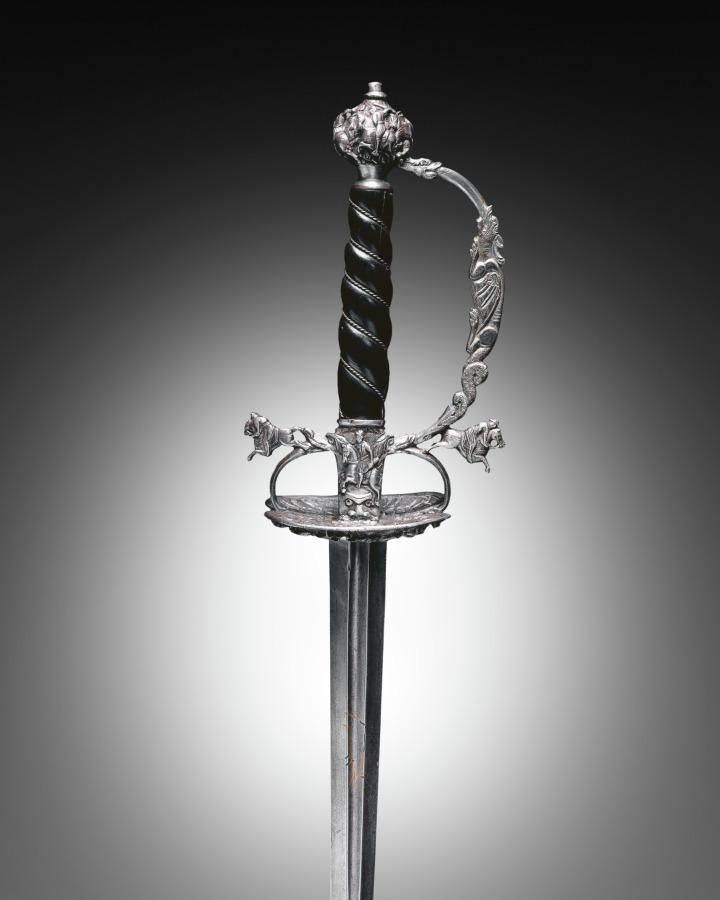
Small Sword at the Cleveland Museum of Art: 1640–60, steel, wood, steel wire, copper, chiseled shell guard; blade: blued, gilded, pierced and engraved. Explore the work's context, creator attribution and collection history.
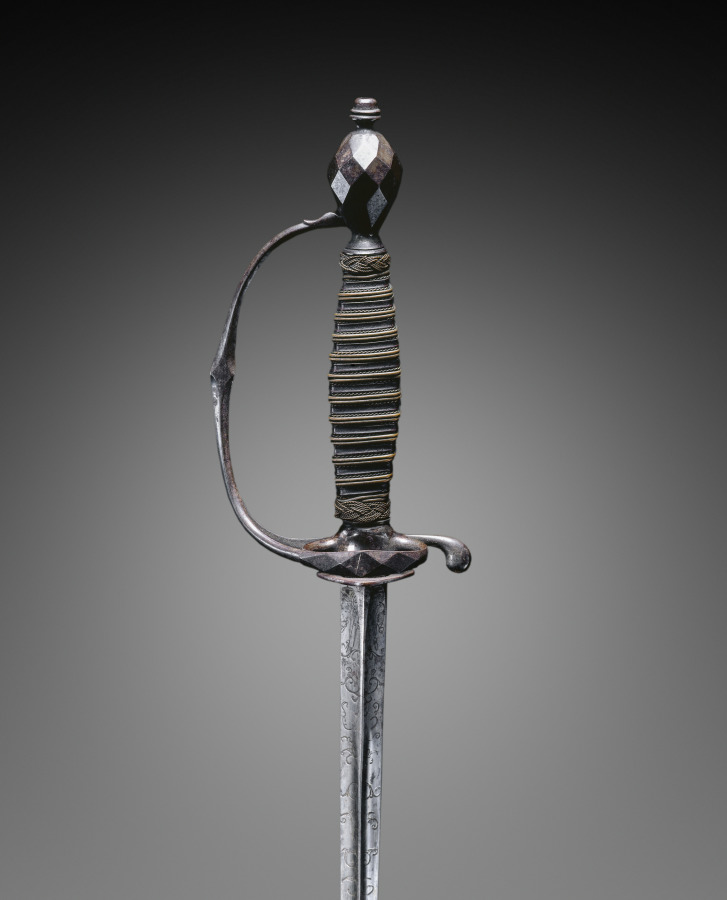
Small Sword at the Cleveland Museum of Art: c. 1700, steel, wood, copper wire. Explore the work's context, creator attribution and collection history.
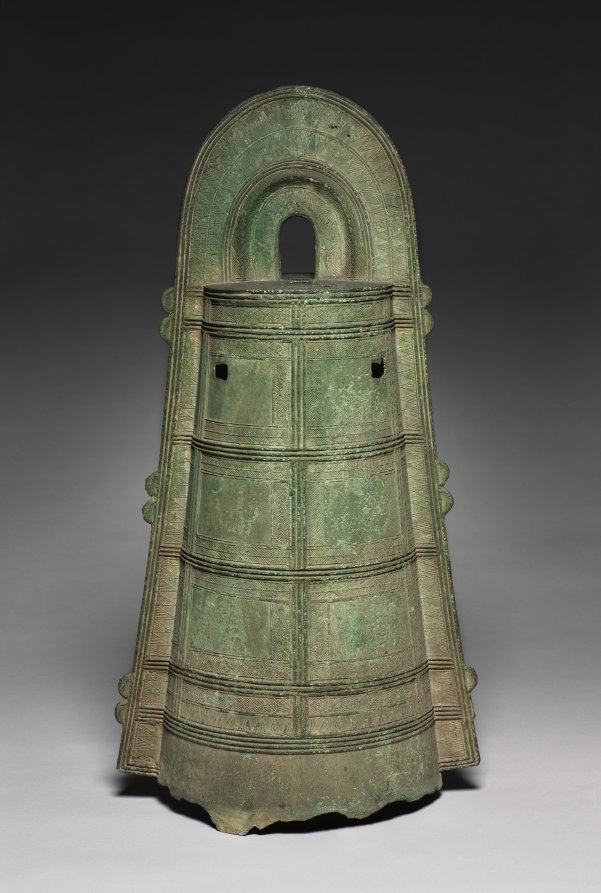
Dōtaku at the Cleveland Museum of Art: 100–200 CE, cast bronze. Explore the work's context, creator attribution and collection history.
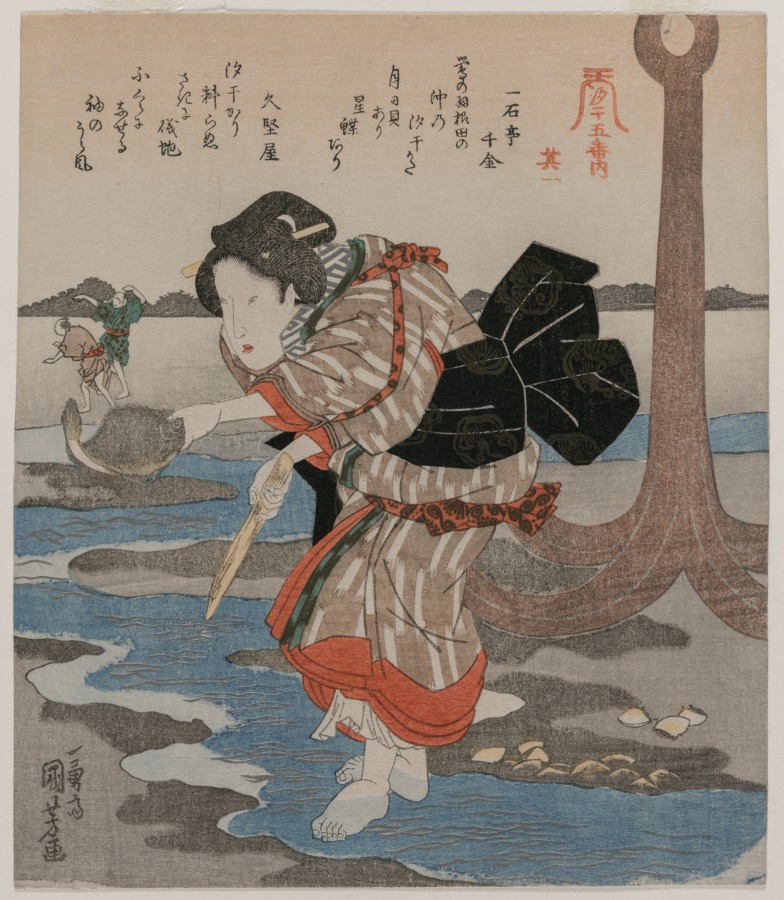
A Low Tide Pentaptych at the Cleveland Museum of Art: c. 1830, Pentaptych of color woodblock prints. Explore the work's context, creator attribution and collection history.
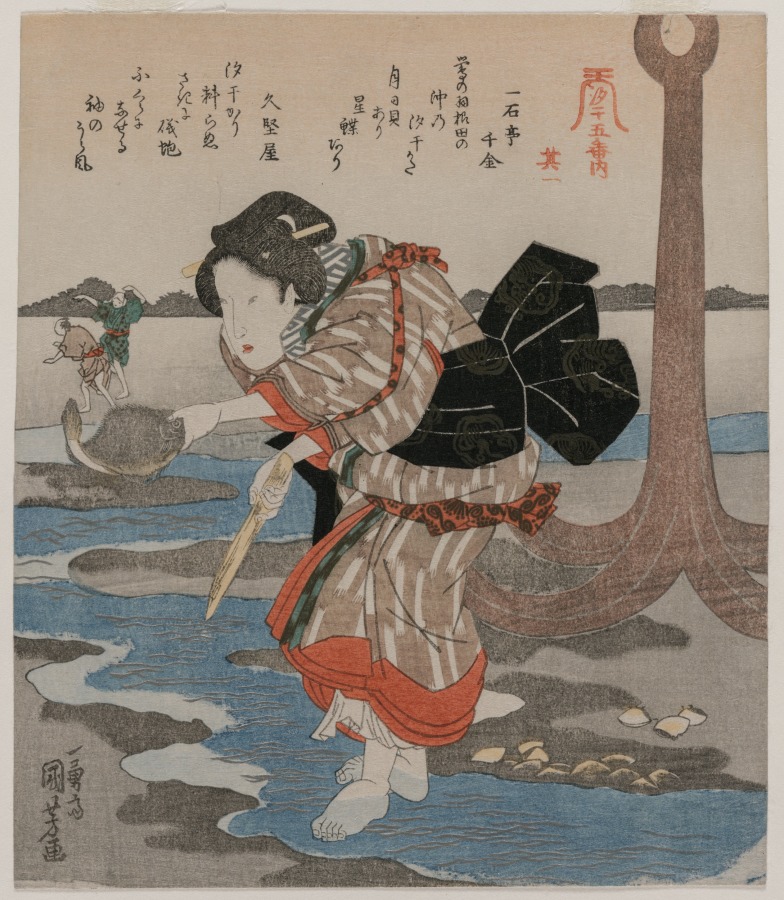
First Print from A Low Tide Pentaptych at the Cleveland Museum of Art: c. 1830, color woodblock print from a pentaptych. Explore the work's context, creator attribution and collection history.
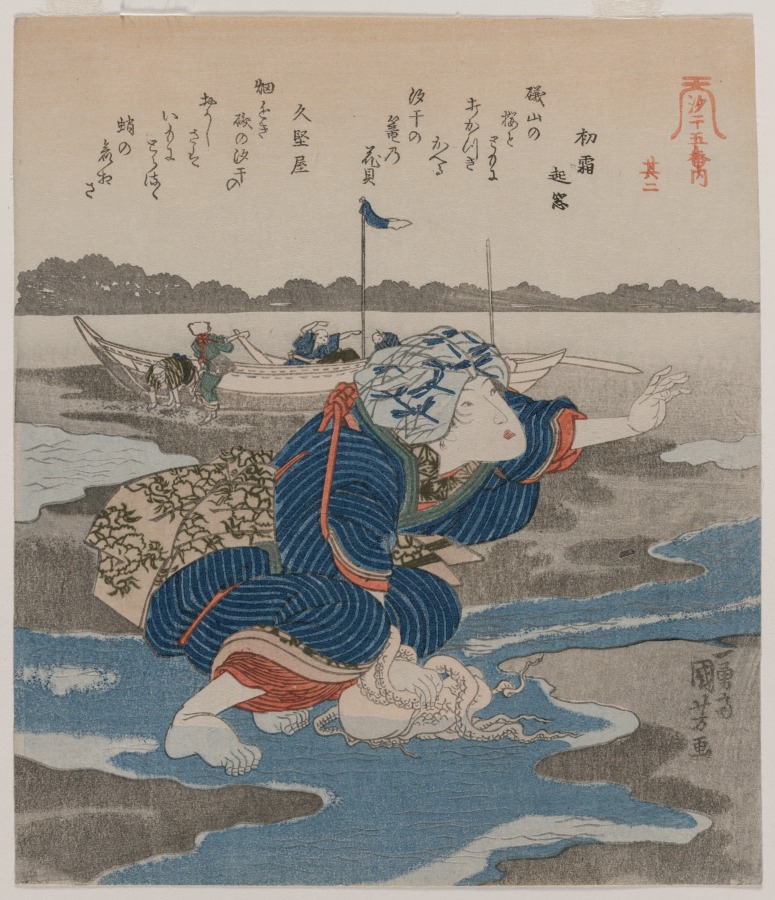
Second Print from A Low Tide Pentaptych at the Cleveland Museum of Art: c. 1830, color woodblock print from a pentaptych. Explore the work's context, creator attribution and collection history.
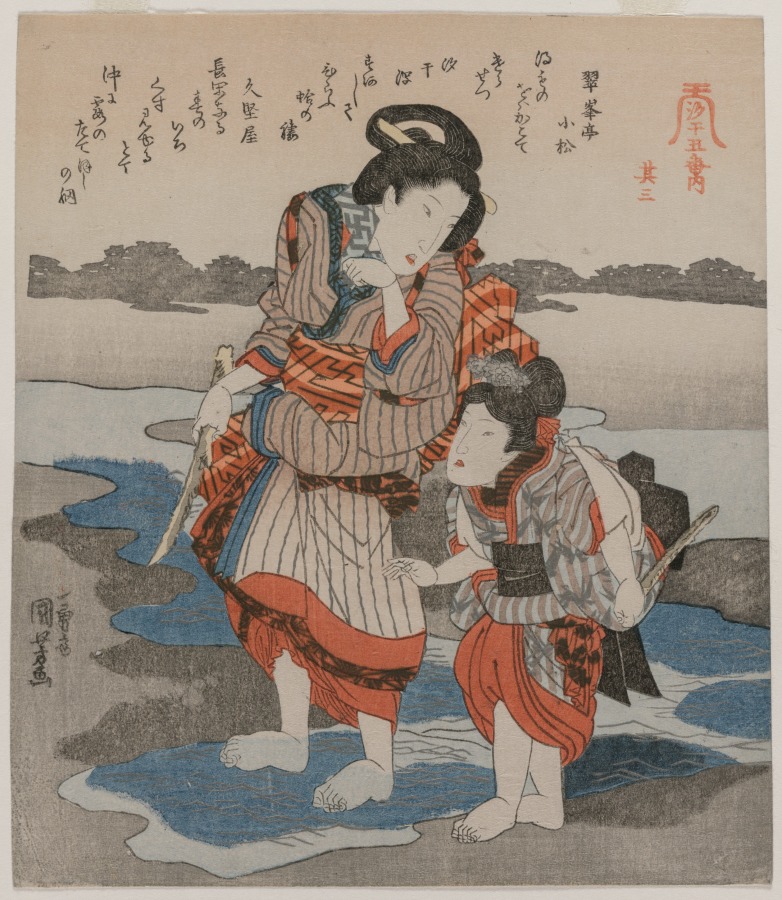
Third Print from A Low Tide Pentaptych at the Cleveland Museum of Art: c. 1830, color woodblock print from a pentaptych. Explore the work's context, creator attribution and collection history.
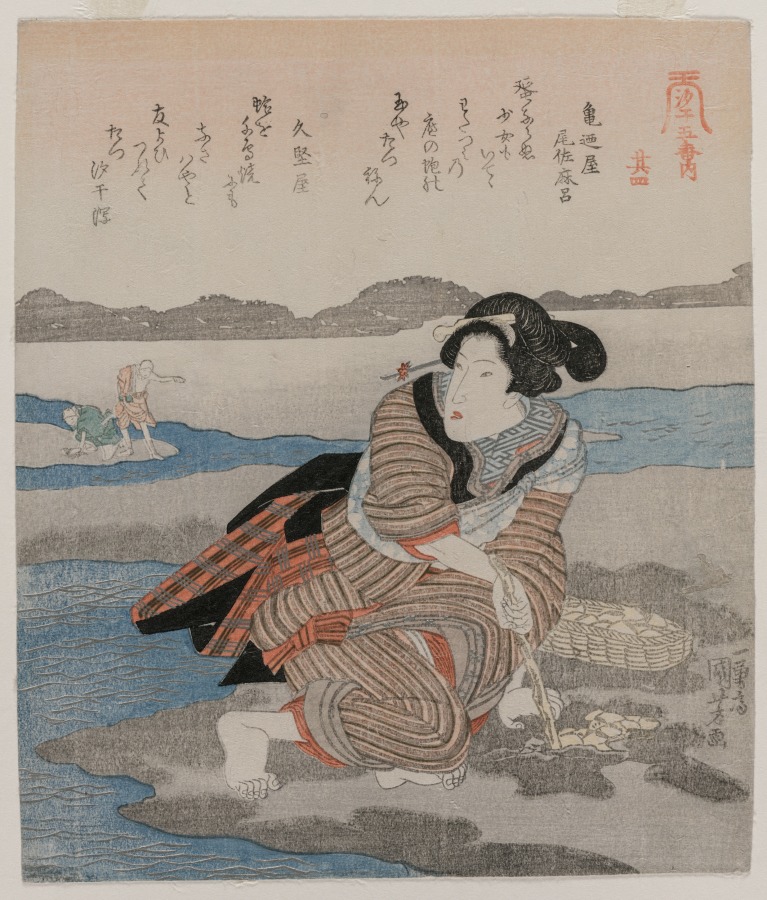
Fourth Print from A Low Tide Pentaptych at the Cleveland Museum of Art: c. 1830, color woodblock print. Explore the work's context, creator attribution and collection history.