On the Quay (c. 1919): Art, History and Details
On the Quay at the Cleveland Museum of Art: c. 1919, etching. Explore the work's context, creator attribution and collection history.
Oldest entries first, in a fixed order. Newly added articles appear at the end. Explore a shuffled selection →
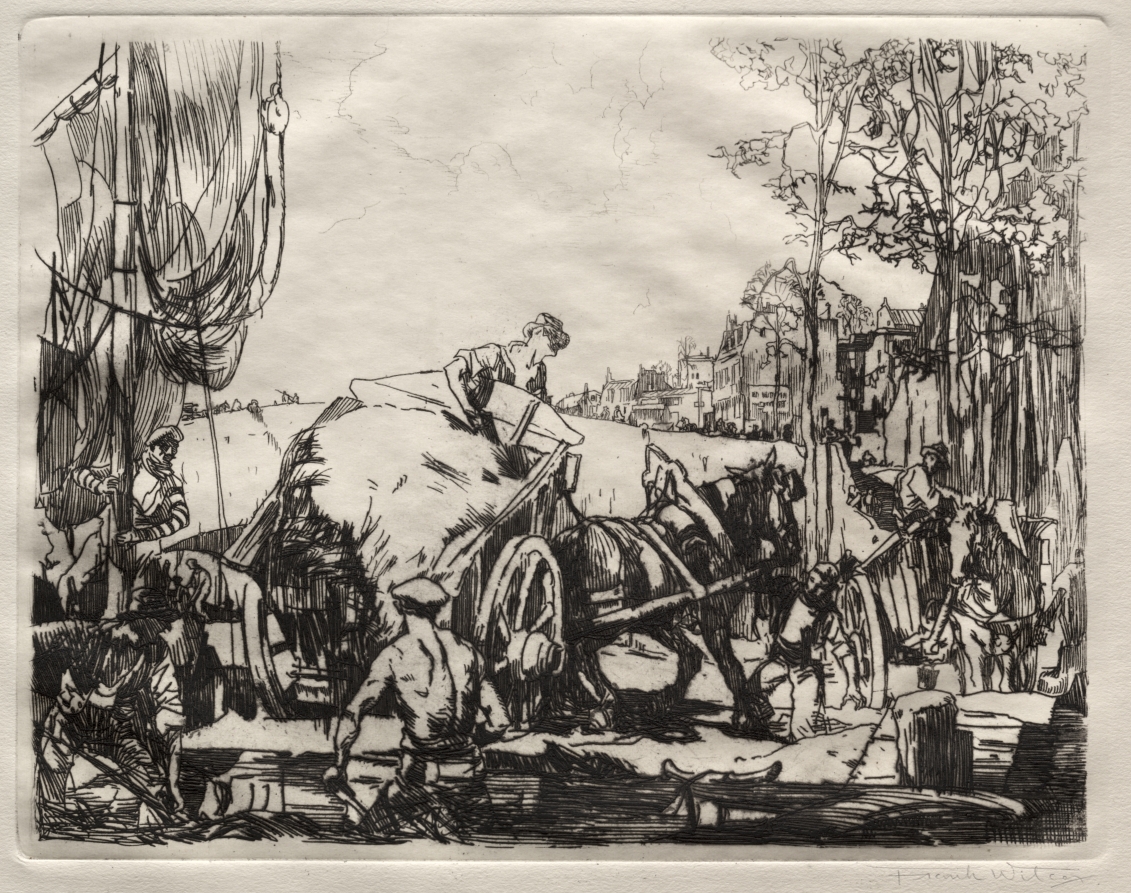
On the Quay at the Cleveland Museum of Art: c. 1919, etching. Explore the work's context, creator attribution and collection history.
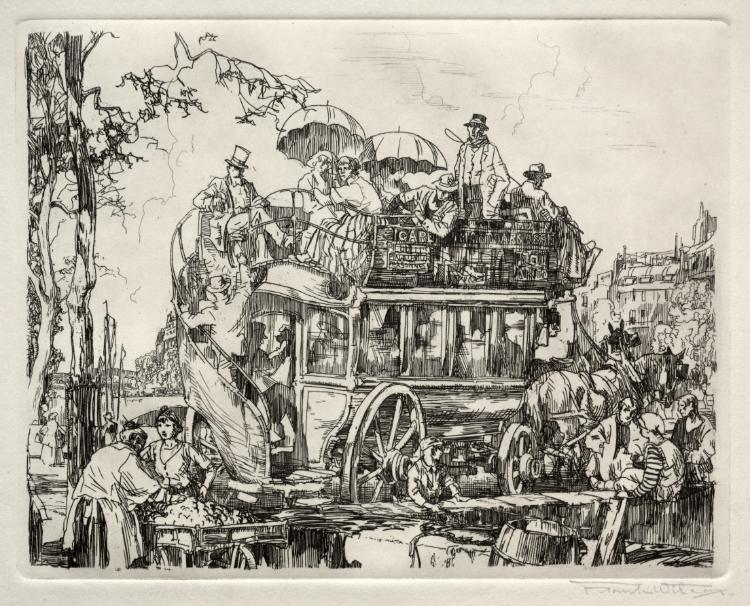
The Omnibus at the Cleveland Museum of Art: c. 1919, etching. Explore the work's context, creator attribution and collection history.
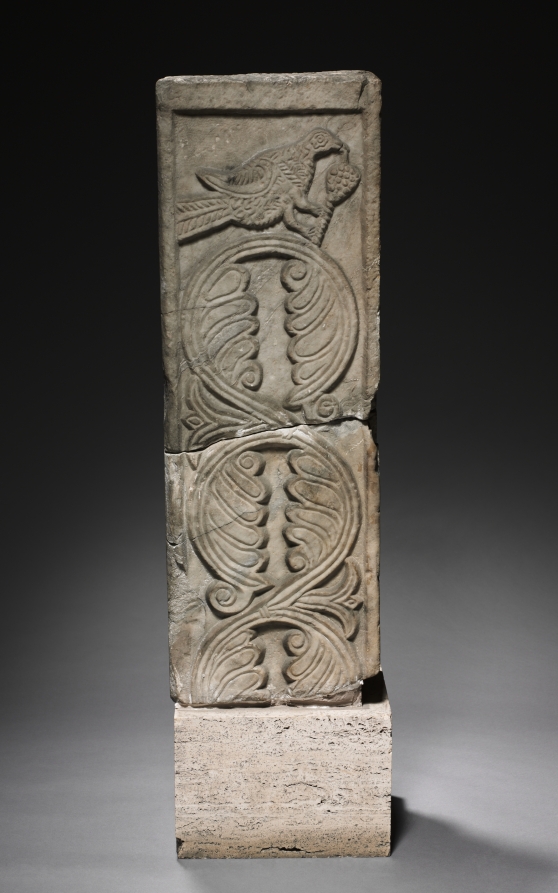
Transenna Post at the Cleveland Museum of Art: 700s–800s, marble. Explore the work's context, creator attribution and collection history.
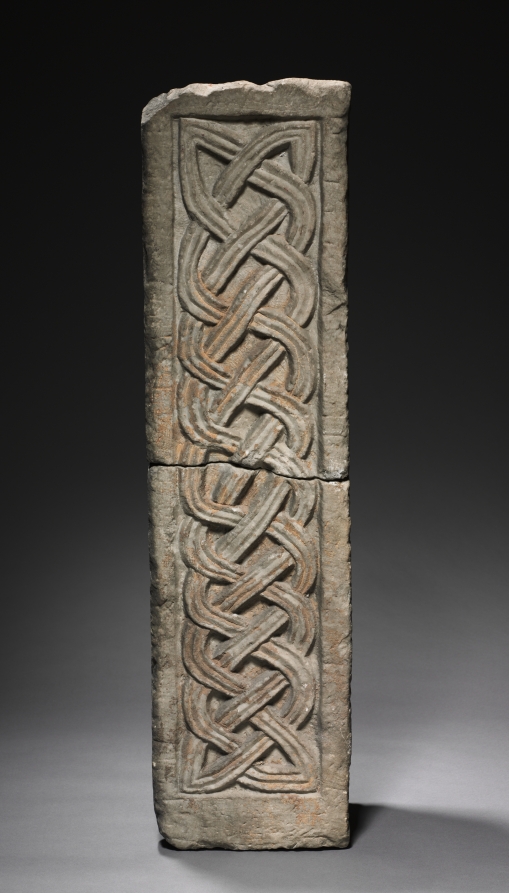
Transenna Post at the Cleveland Museum of Art: 700s-800s, marble. Explore the work's context, creator attribution and collection history.
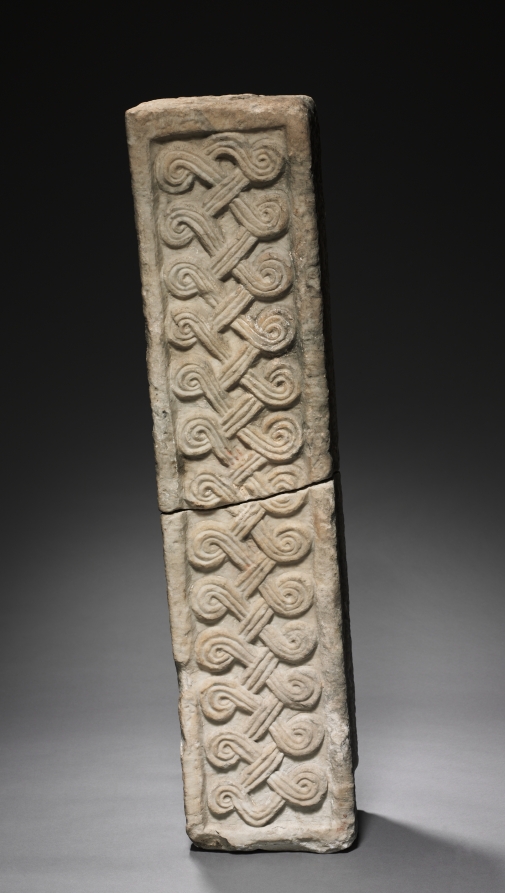
Transenna Post at the Cleveland Museum of Art: 700s-800s, marble. Explore the work's context, creator attribution and collection history.
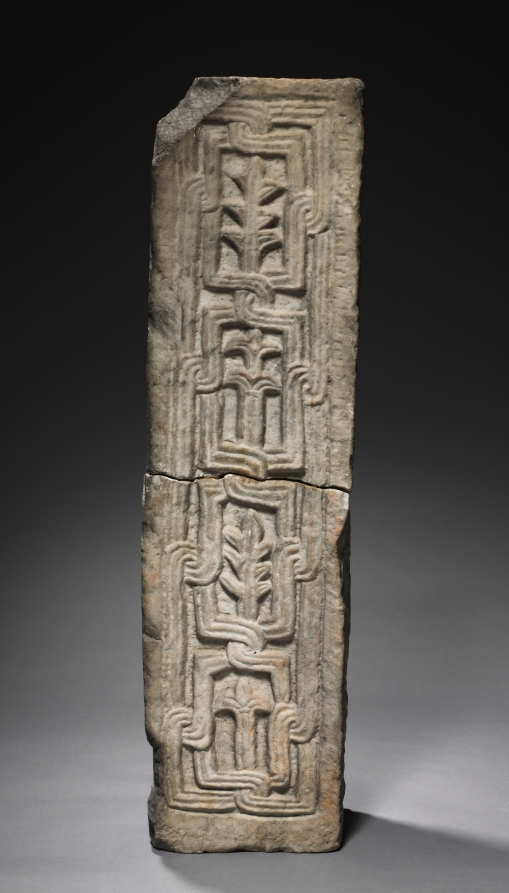
Transenna Post at the Cleveland Museum of Art: 700s-800s, marble. Explore the work's context, creator attribution and collection history.
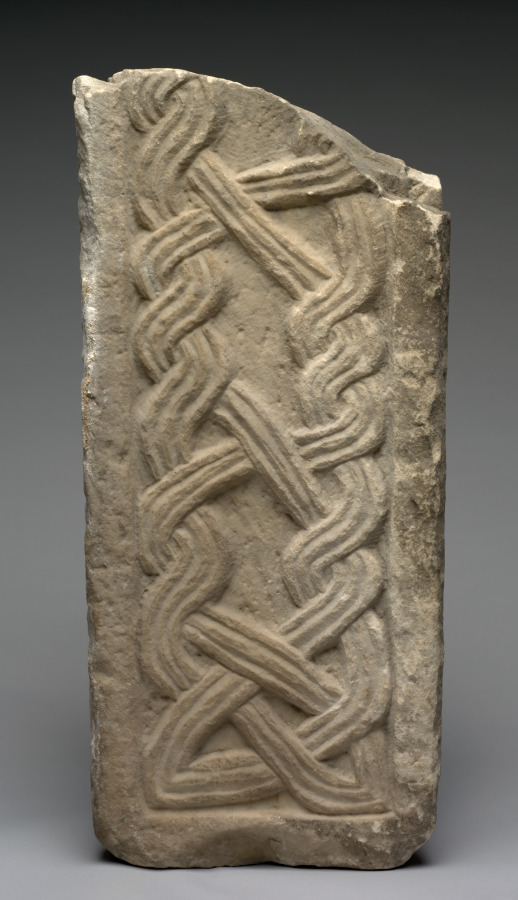
Transenna at the Cleveland Museum of Art: 700s-800s, marble. Explore the work's context, creator attribution and collection history.
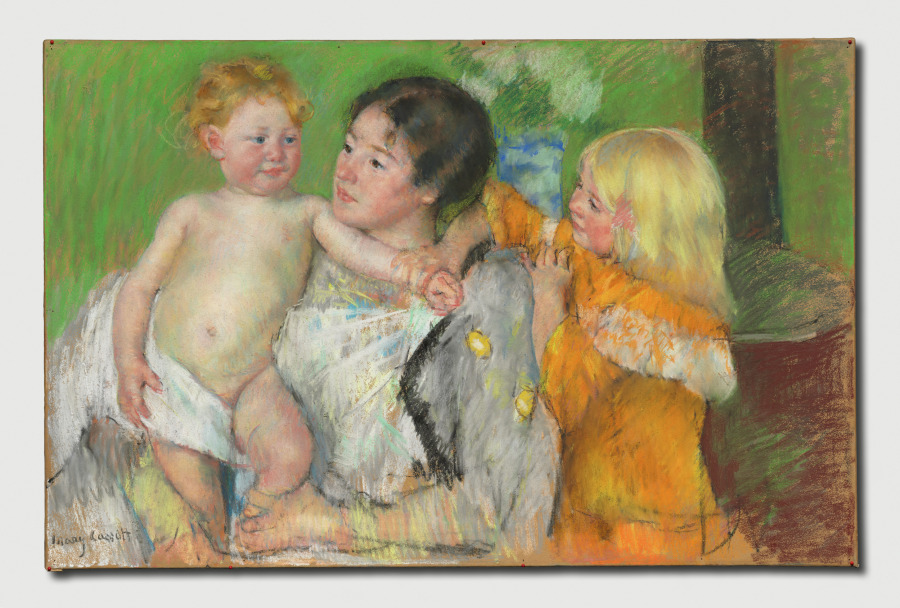
After the Bath at the Cleveland Museum of Art: 1901, pastel. Explore the work's context, creator attribution and collection history.
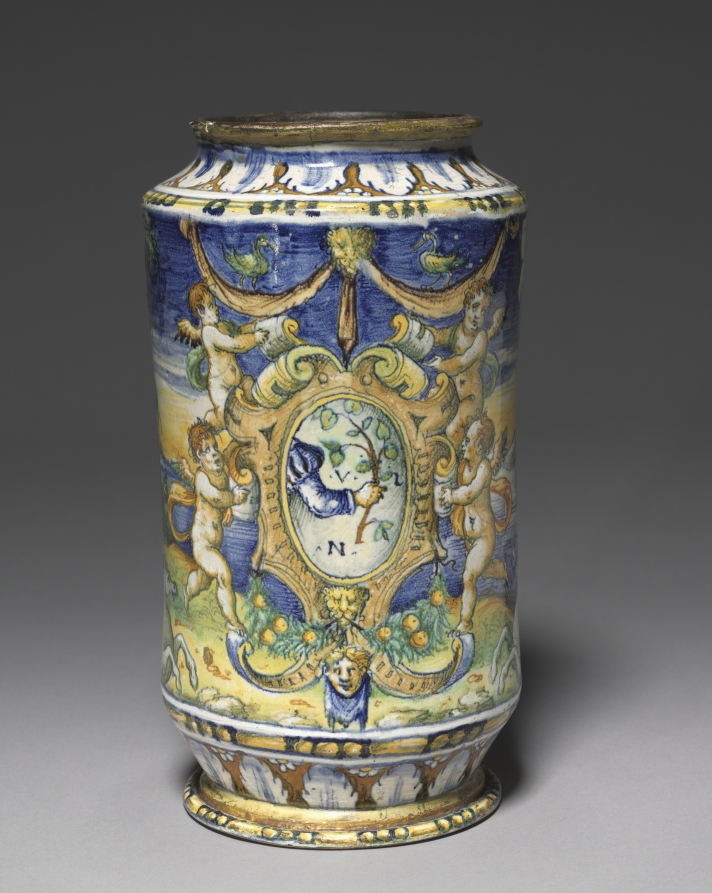
Pharmacy Jar (Albarello) at the Cleveland Museum of Art: c. 1550–70, tin-glazed earthenware (maiolica). Explore the work's context, creator attribution and collection history.

Cup with Dragon Handles at the Cleveland Museum of Art: 1662–1722, Pale gray-green white jade. Explore the work's context, creator attribution and collection history.
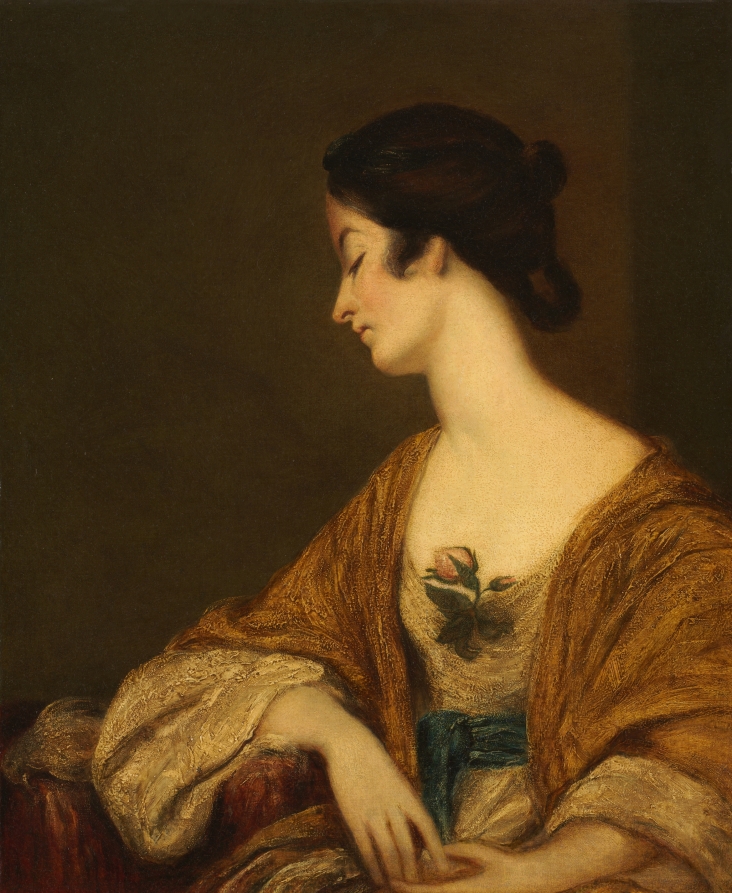
Portrait of Mrs. George Collier at the Cleveland Museum of Art: 18th century, oil on canvas. Explore the work's context, creator attribution and collection history.

Courtesan Dreaming of her Childhood at the Cleveland Museum of Art: c. 1770, Woodblock print; ink and color on paper. Explore the work's context, creator attribution and collection history.
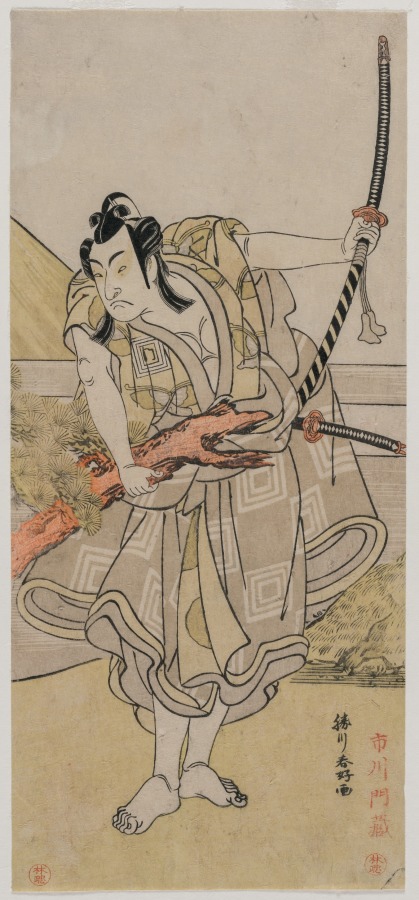
Ichikawa Monnosuke II as Soga no Gorō at the Cleveland Museum of Art: 1779, color woodblock print. Explore the work's context, creator attribution and collection history.
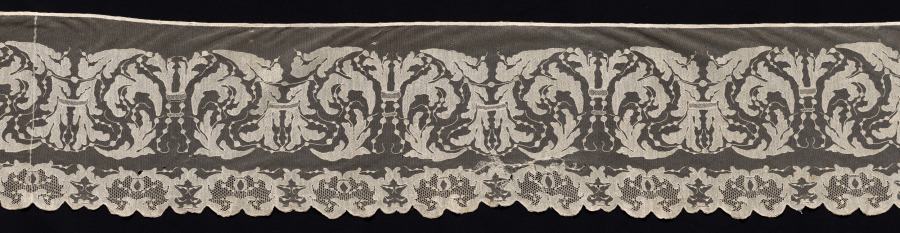
Border with Renaissance Motif at the Cleveland Museum of Art: 1800–1840, Bleached linen (est.): needle lace, machine-made burato (twined ground and darned in one direction). Explore the work's context, creator attribution and collection his

The Abbey Farm (La Ferme de l'abbaye) at the Cleveland Museum of Art: c. 1893, etchingand drypoint. Explore the work's context, creator attribution and collection history.
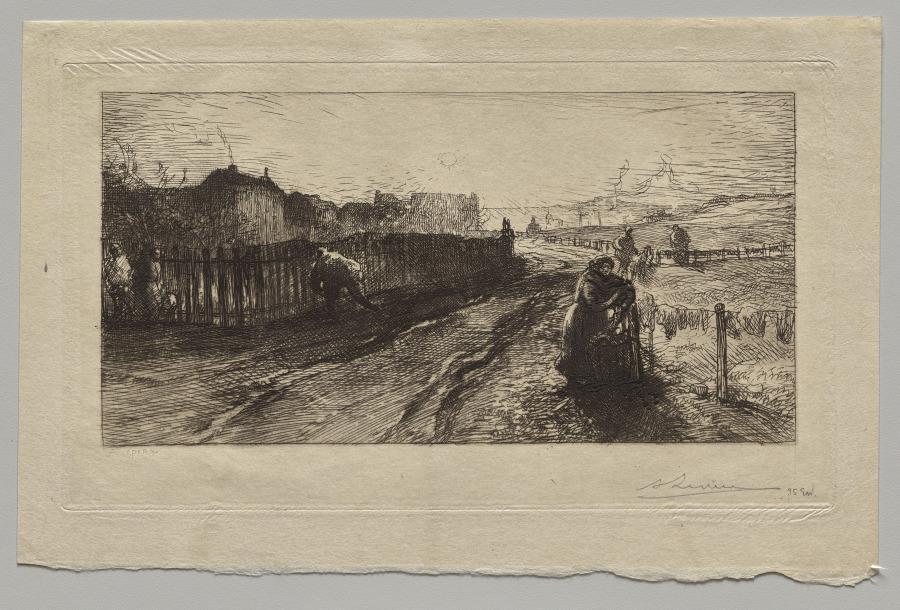
At the Fortifications, Porte de Versailles at the Cleveland Museum of Art: 1898, etching. Explore the work's context, creator attribution and collection history.
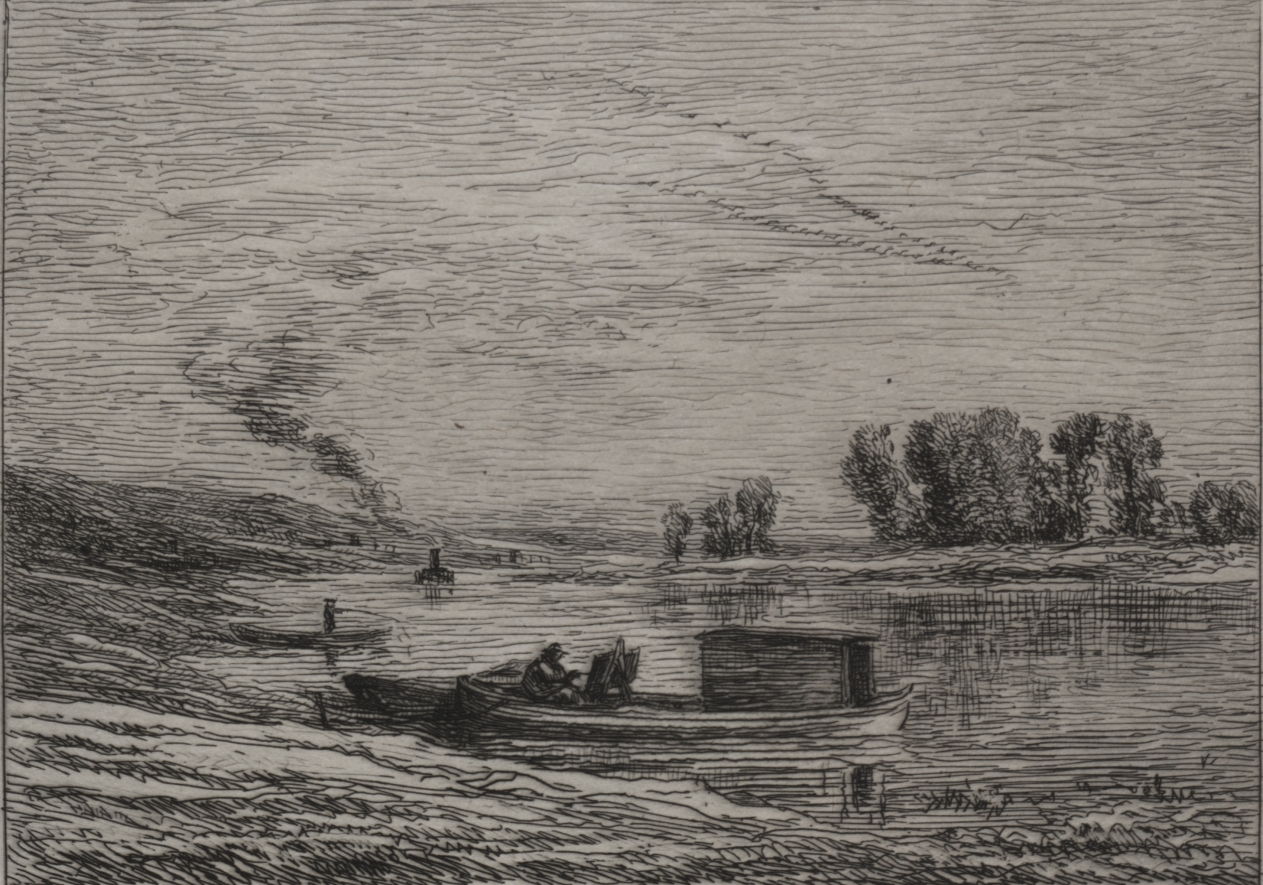
The Boat in Conflans at the Cleveland Museum of Art: 1866, etching on chine collé. Explore the work's context, creator attribution and collection history.
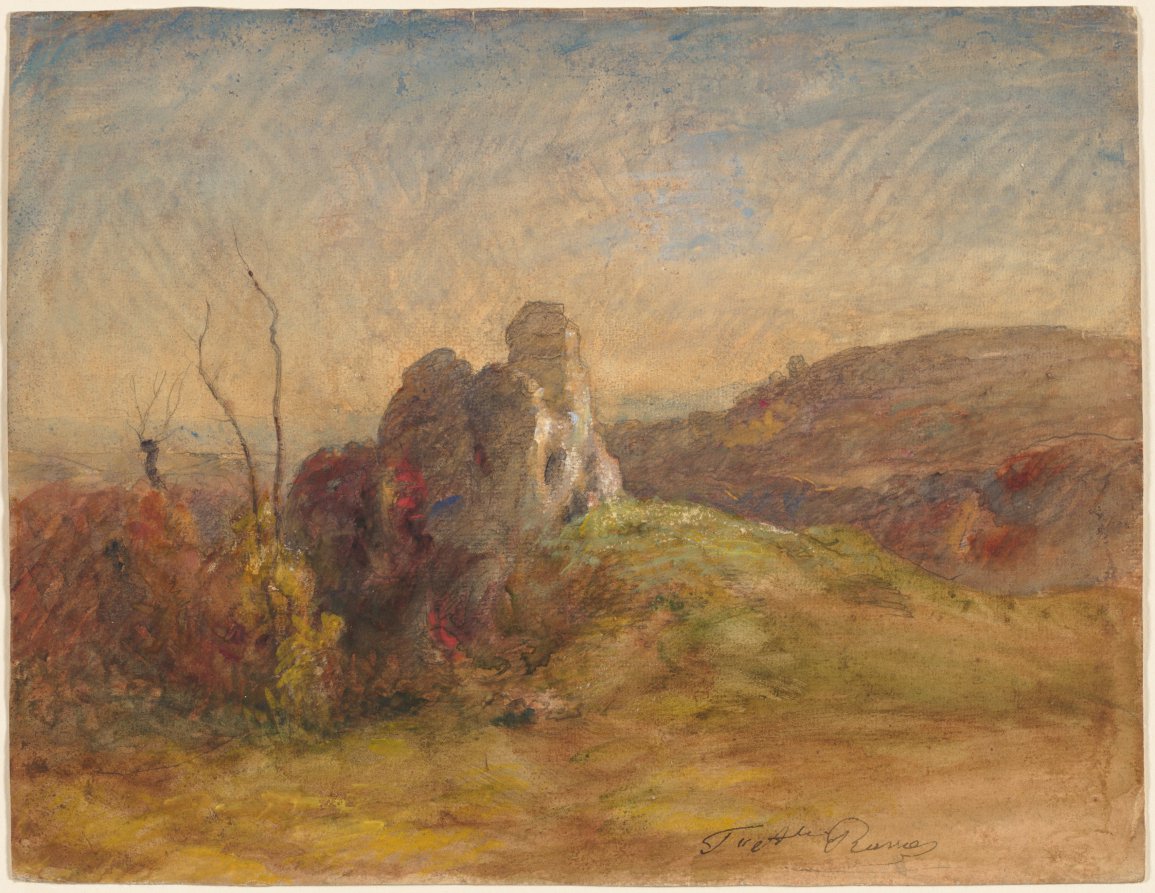
Landscape at the Cleveland Museum of Art: 1870–84, watercolor and gouache with graphite and traces of black chalk. Explore the work's context, creator attribution and collection history.

Fragment of a Border with Repeated Pattern of Fantastic Winged Animals at the Cleveland Museum of Art: c. 1550–1600, Bleached linen (est.): needle lace, burato (twined ground and darned in two directions). Explore the work's context, creato

Lace Insertion and Edging at the Cleveland Museum of Art: 1600s–1700s, Bobbin lace. Explore the work's context, creator attribution and collection history.

Fragment of a Band with Abstract Pattern at the Cleveland Museum of Art: 1500s, Bleached linen: needle lace, burato (twined ground and darned in one direction). Explore the work's context, creator attribution and collection history.

Fragment of a Band with Birds and Trees at the Cleveland Museum of Art: 1500s, Bleached linen (est.): needle lace, burato (twined ground and darned in one direction). Explore the work's context, creator attribution and collection history.

Fragment of a Border with Abstract Pattern at the Cleveland Museum of Art: 1500s, Unbleached and bleached linen (est.), or cotton (est.): needle lace, burato (twined ground and darned in one direction); brown silk (est.): bobbin lace edging

Fragment with Wide Circular Pattern at the Cleveland Museum of Art: 1500s–1600s, Bleached linen (est.): needle lace, mezza mandolina. Explore the work's context, creator attribution and collection history.
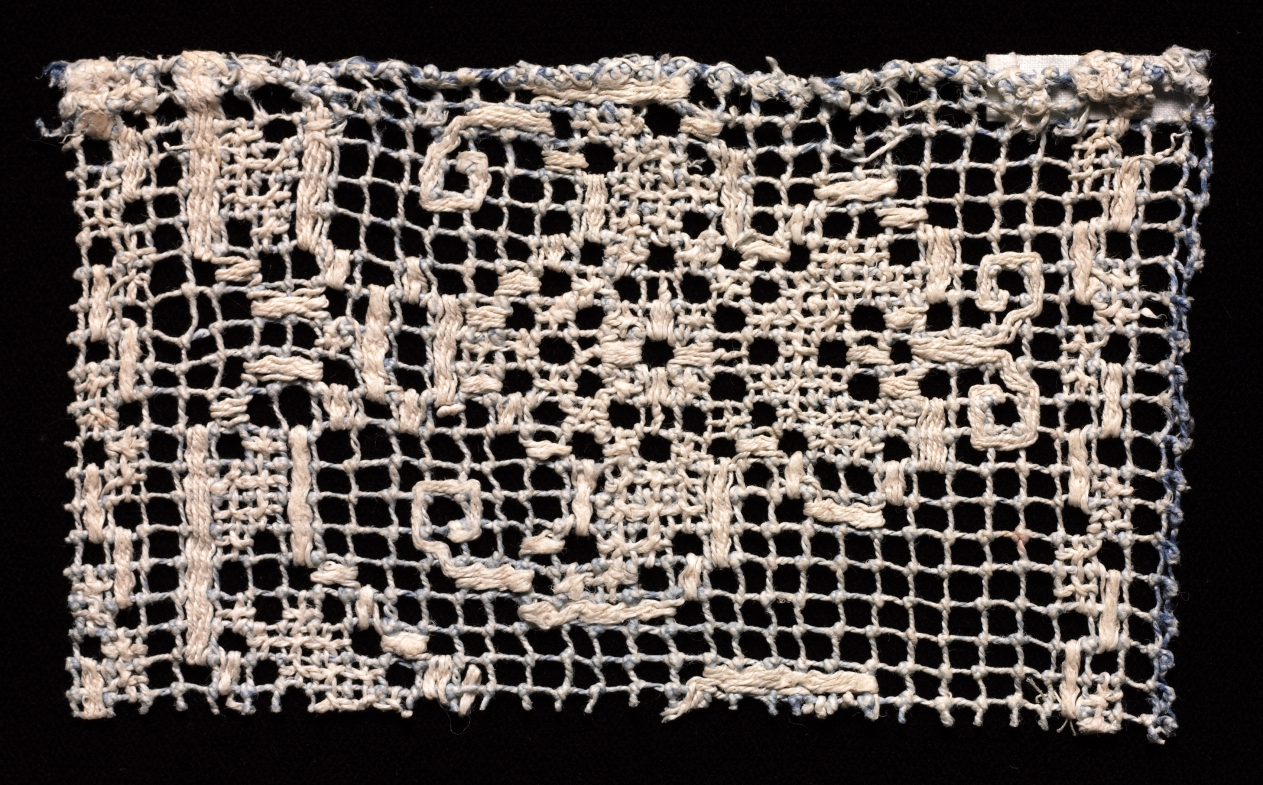
Fragment with a Floral (tendril) Motif at the Cleveland Museum of Art: 1500s–1600s, Bleached and blue dyed linen (est.): needle lace, filet/lacis (knotted ground and darned in one and two directions). Explore the work's context, creator att
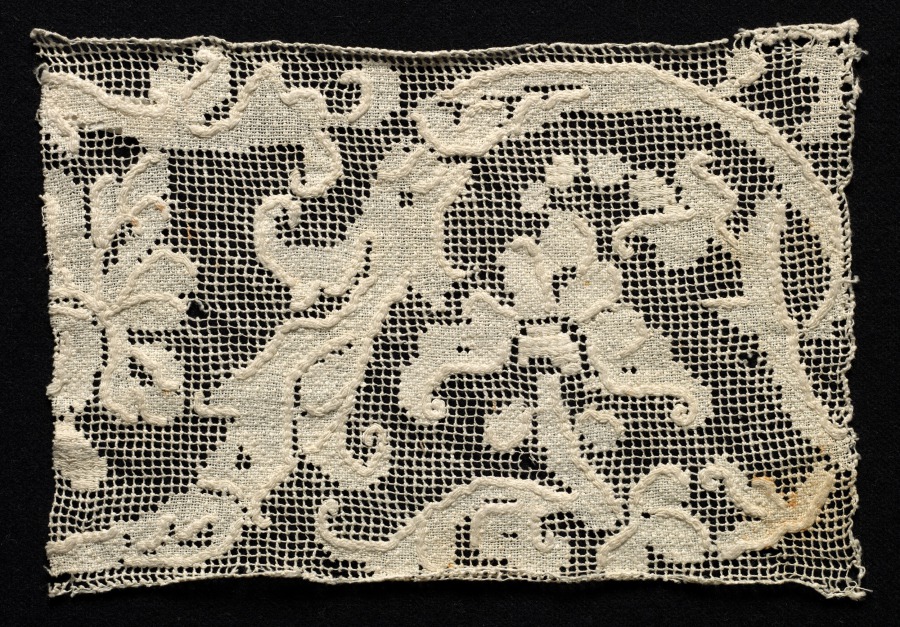
Fragment (of a Band?) with Floral Pattern at the Cleveland Museum of Art: 1500s, Bleached linen (est.): needle lace, filet/lacis (knotted ground and darned in two directions). Explore the work's context, creator attribution and collection h
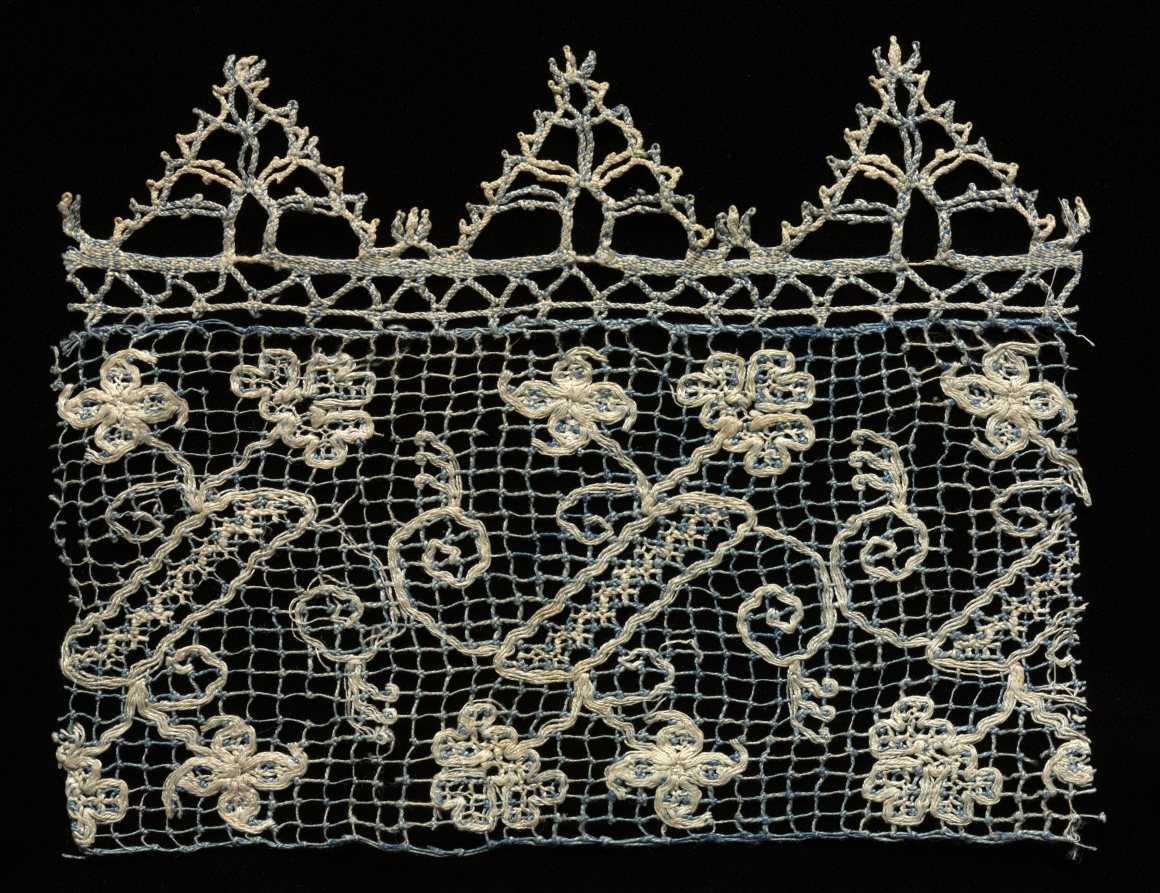
Fragment of a Border with Vines and Floral Motifs at the Cleveland Museum of Art: 1600s, Bleached and blue dyed linen (est.): needle lace, filet/lacis (knotted ground and darned in one direction) and bobbin lace edging. Explore the work's c

Fragment of a Border with Standing and Seated Birds Amidst Vegetation at the Cleveland Museum of Art: 1500s, Bleached linen (est.): needle lace, burato (twined ground and darned in one direction). Explore the work's context, creator attribu

Fragment of a Band with Confronted Birds, a Formal Tree, and Smaller Animals at the Cleveland Museum of Art: 1500s, Bleached linen (est.): needle lace, burato (twined ground and darned in one direction). Explore the work's context, creator

Fragment of a Band with Dragon, Castle, and Vegetation at the Cleveland Museum of Art: 1500s, Bleached linen (est.): needle lace, burato (twined ground and darned in one direction). Explore the work's context, creator attribution and collec
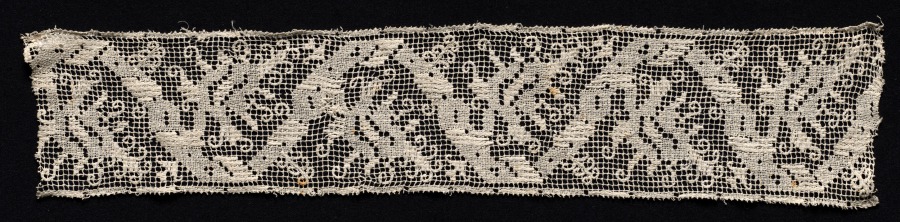
Fragment of a Band with Winding Design and Tendrils at the Cleveland Museum of Art: 1500s, Bleached linen (est.): needle lace, filet/lacis (knotted ground and darned in one and two directions); bleached linen (est.). Explore the work's cont
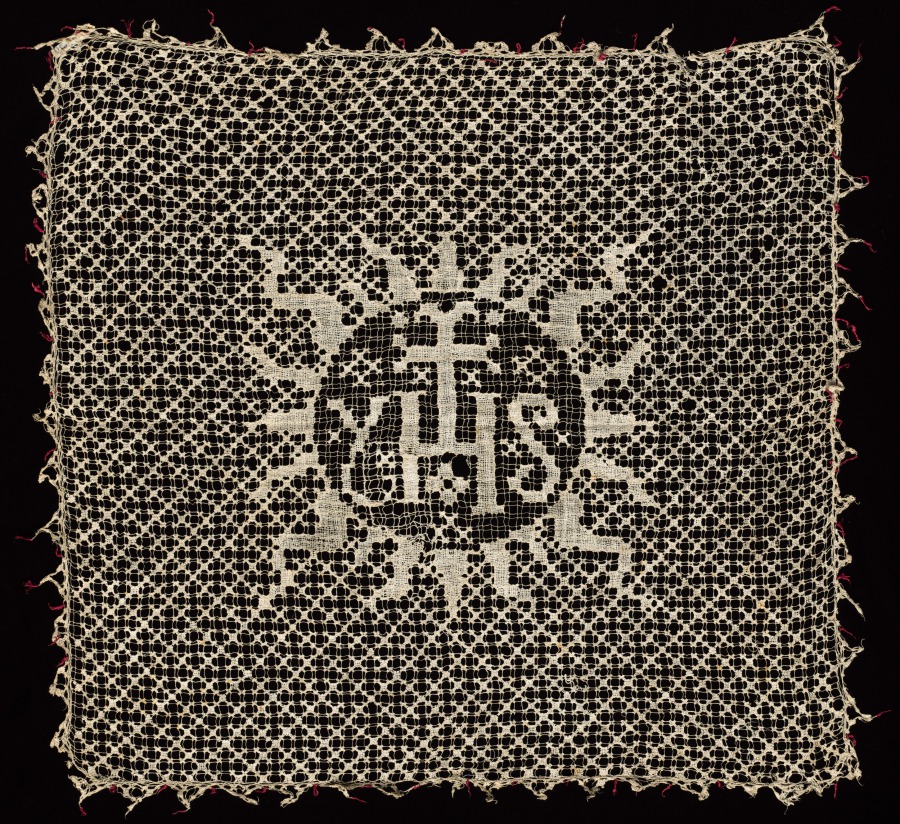
Chalice Veil with Monogram of Christ at the Cleveland Museum of Art: 1500s, Bleached linen(?): needle lace (mezza mandolina) with red silk thread. Explore the work's context, creator attribution and collection history.
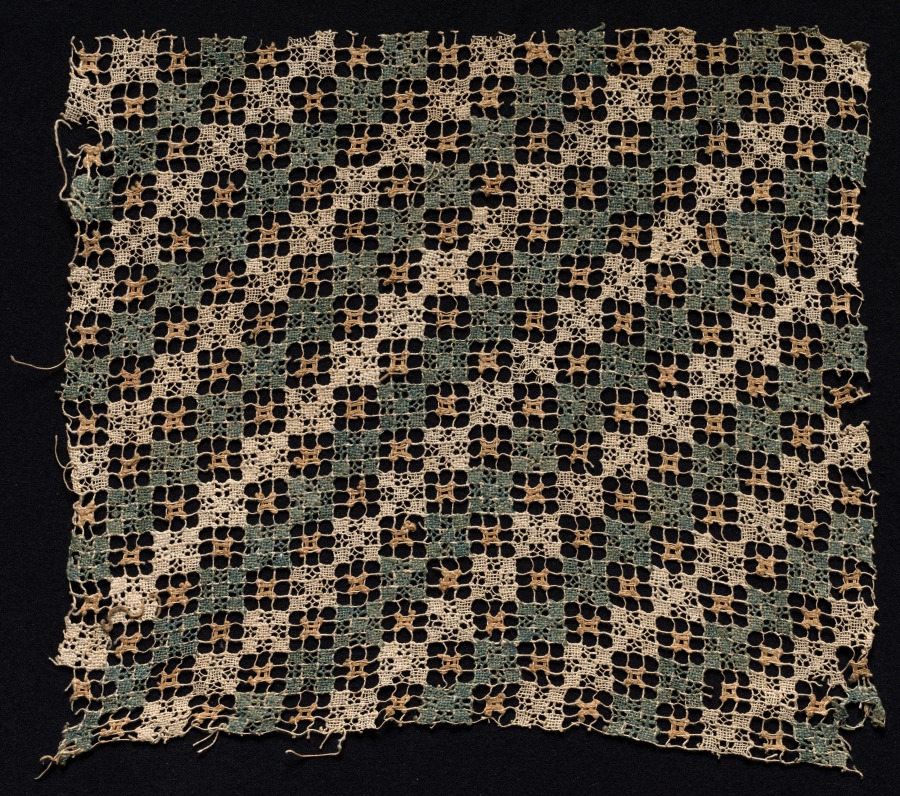
Fragment with Repeated Square Pattern at the Cleveland Museum of Art: 1500s–1600s, Bleached, dyed, and unbleached linen (est.): needle lace; filet/lacis (knotted ground and darned in two directions). Explore the work's context, creator attr
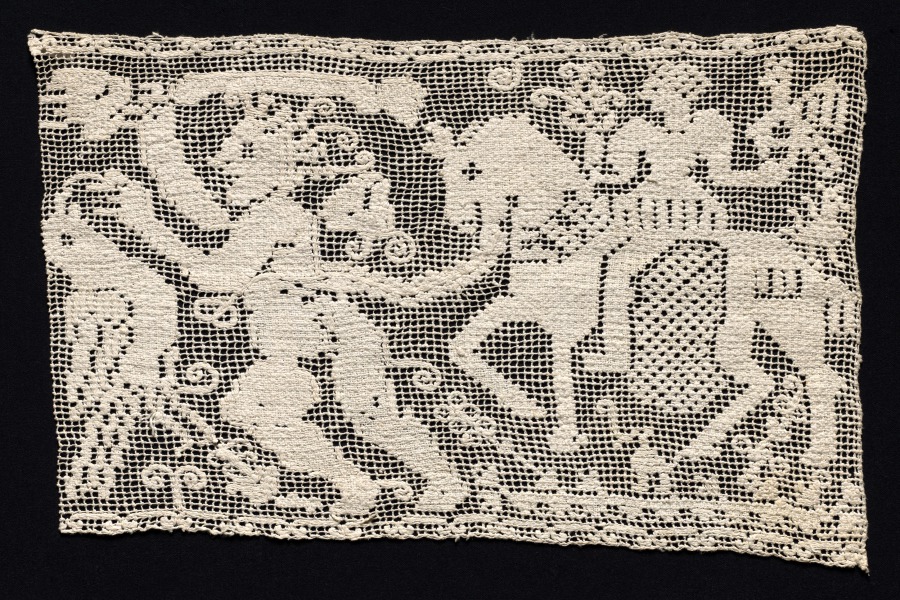
Fragment of a Band with Male Figure Leading Mounted Female Figure with Falcon at the Cleveland Museum of Art: 1500s–1600s, Bleached linen (est.): needle lace; filet/lacis (knotted ground and darned in two directions). Explore the work's con

Fragment of a Band with Vines Surrounding a Monkey, Lion, and an Unidentified Four-Legged Animal at the Cleveland Museum of Art: 1500s, Bleached linen (est.): needle lace, filet/lacis (knotted ground and darned in two directions). Explore t

Panel with Birds, Flowers, and Suns at the Cleveland Museum of Art: 1500s–1600s, Bleached linen (est.): needle lace, filet/lacis (knotted ground and darned in two directions). Explore the work's context, creator attribution and collection h
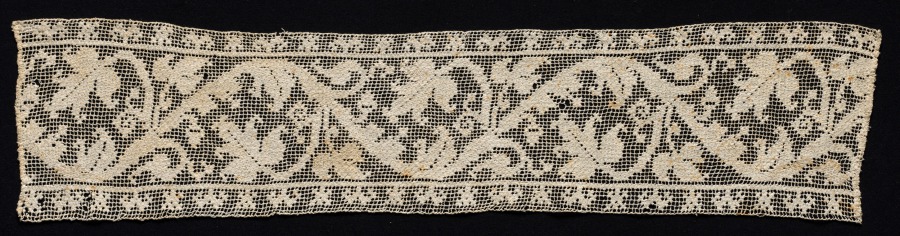
Fragment of a Band with Vine Scroll and Leaves at the Cleveland Museum of Art: 1500s–1600s, Bleached linen (est.): needle lace, filet/lacis (knotted ground and darned in two directions). Explore the work's context, creator attribution and c
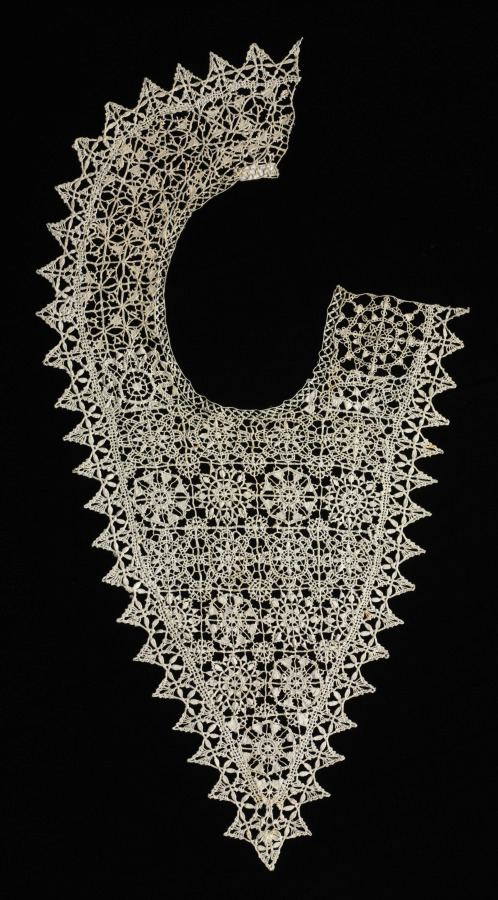
Lace Collar at the Cleveland Museum of Art: 1560–1600, Linen; needle lace (cutwork and reticella) and bobbin lace edging. Explore the work's context, creator attribution and collection history.

Pair of Lace Lappets at the Cleveland Museum of Art: 1700–1740, Silk: needle lace (Burano Point). Explore the work's context, creator attribution and collection history.

Fragment of a Border with Repeated Pattern of Fantastic Winged Animals at the Cleveland Museum of Art: 1500s–1600s, Bleached linen: needle lace, burato (twined ground and darned in two directions) and fringe. Explore the work's context, cre