White Flower (1929): Art, History and Details
White Flower at the Cleveland Museum of Art: 1929, oil on canvas. Explore the work's context, creator attribution and collection history.
Oldest entries first, in a fixed order. Newly added articles appear at the end. Explore a shuffled selection →

White Flower at the Cleveland Museum of Art: 1929, oil on canvas. Explore the work's context, creator attribution and collection history.

The Sun Through the Trees at the Cleveland Museum of Art: June 30, 1917, Watercolor and opaque watercolor. Explore the work's context, creator attribution and collection history.
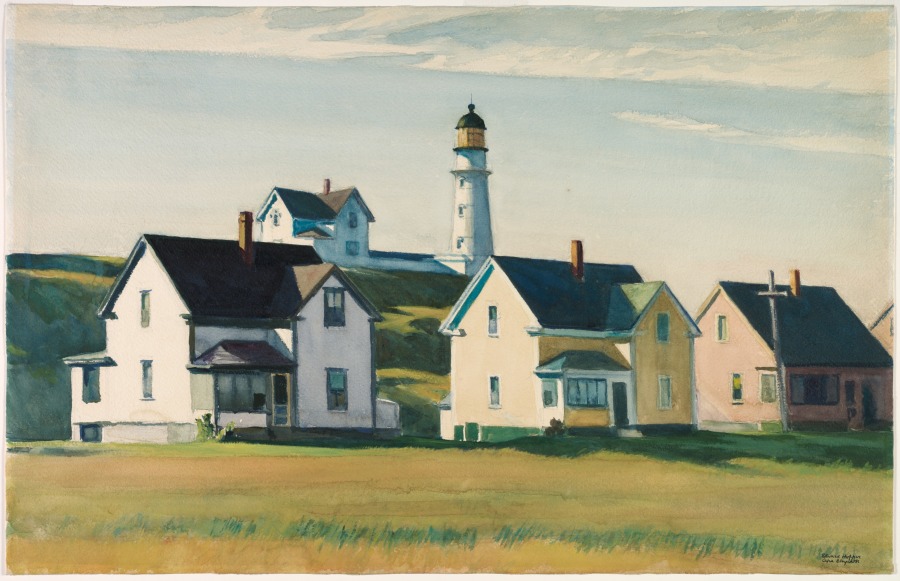
Lighthouse Village (also known as Cape Elizabeth) at the Cleveland Museum of Art: 1929, Watercolor with graphite and scraping on paper. Explore the work's context, creator attribution and collection history.
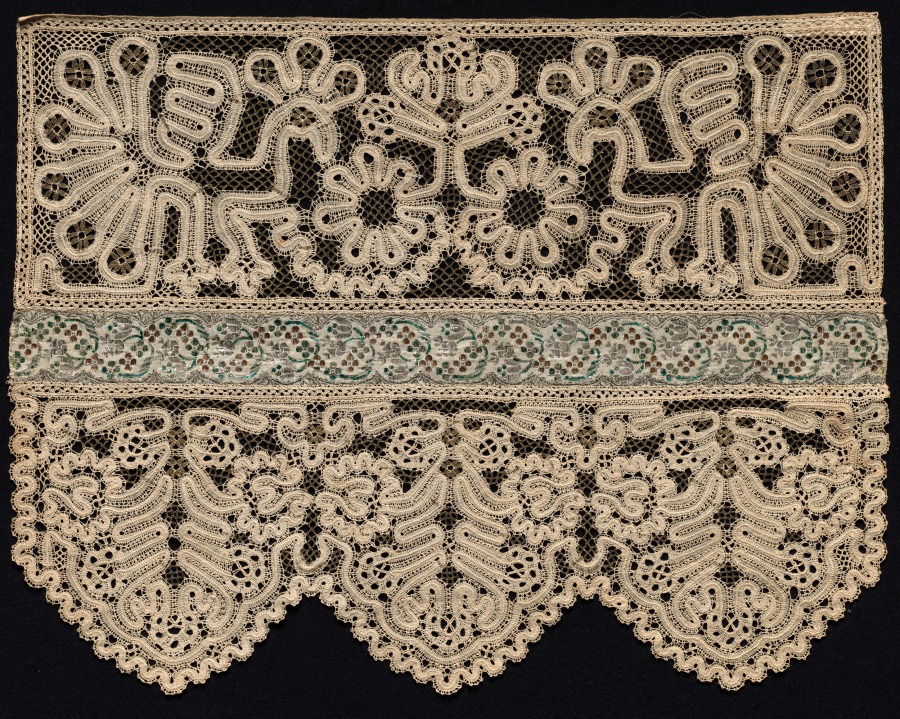
Lace Towel End at the Cleveland Museum of Art: c. 1700s–1800s, cotton or linen (est.) straight (continuous) bobbin lace (Vologda tape lace). The tape forms figural or plant motifs outlined with gimp (heavy cord) with a monochrome plaited gr
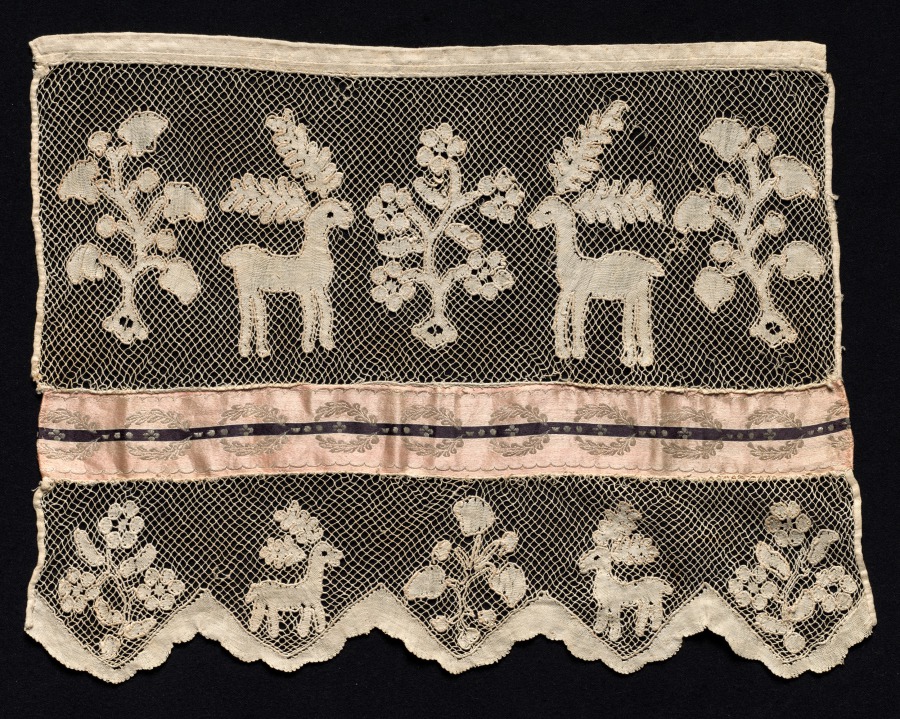
Lace Towel End at the Cleveland Museum of Art: 1700s–1800s, cotton or linen (est.); straight (continuous) bobbin lace; ground with interspersed motifs of plant and animal forms in plain weave outlined with gimp (heavy cord); applied silk (e
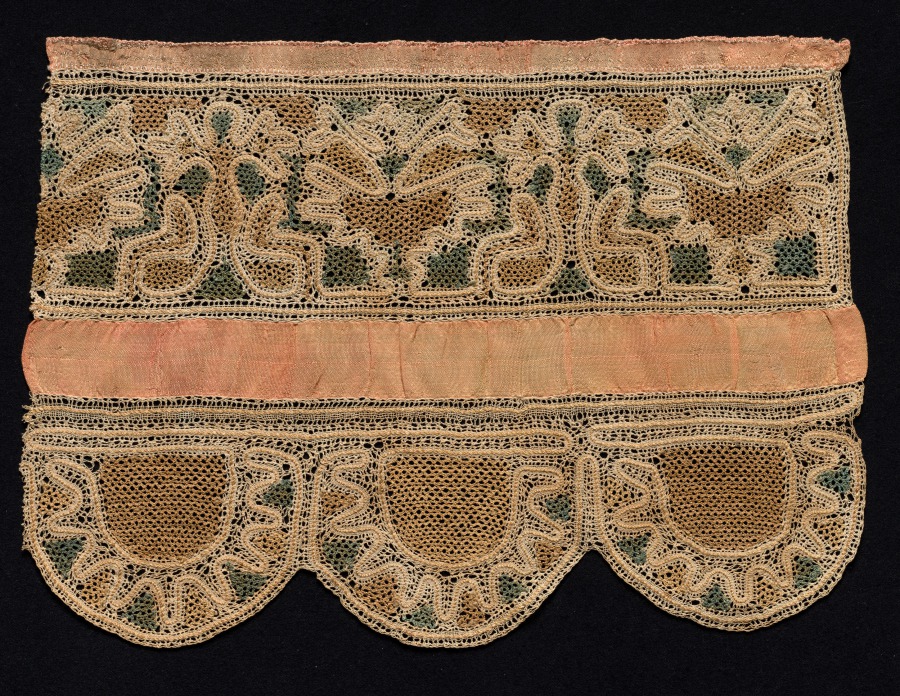
Lace Towel End at the Cleveland Museum of Art: c. 1700s–1800s, cotton or linen (est.); straight (continuous) bobbin lace (Vologda tape lace). The tape forms figural or plant motifs outlined with gimp (heavy cord) with a polychrome plaited g
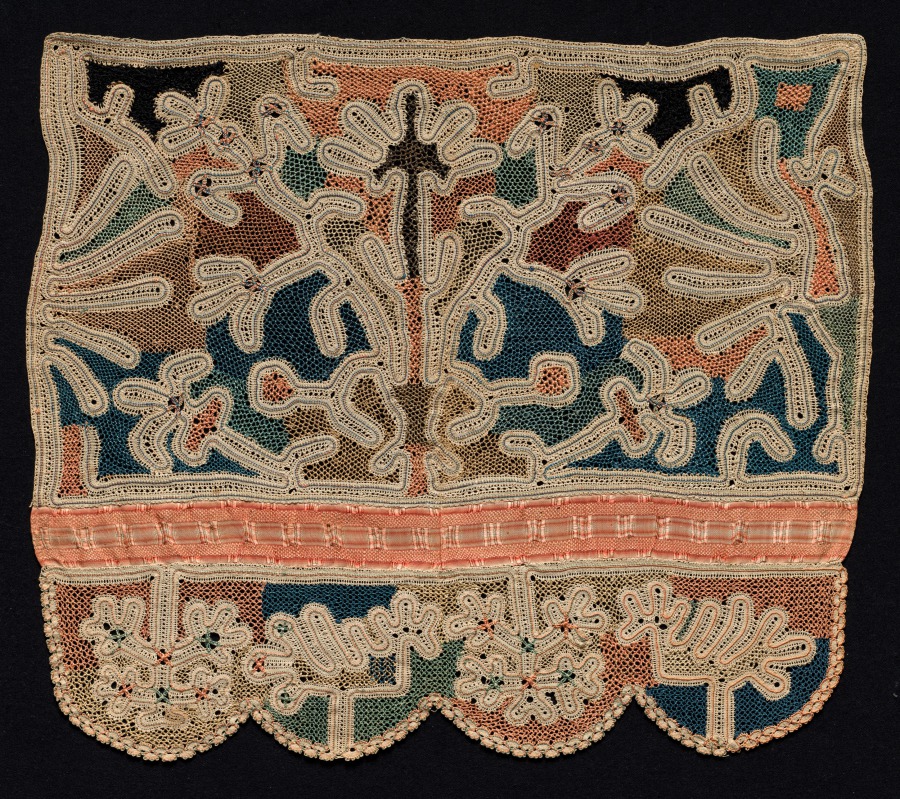
Lace Towel End at the Cleveland Museum of Art: c. 1700s–1800s, cotton or linen (est.); straight (continuous) bobbin lace (Vologda tape lace). The tape forms figural or plant motifs outlined with colored gimp (heavy cord) with a polychrome p
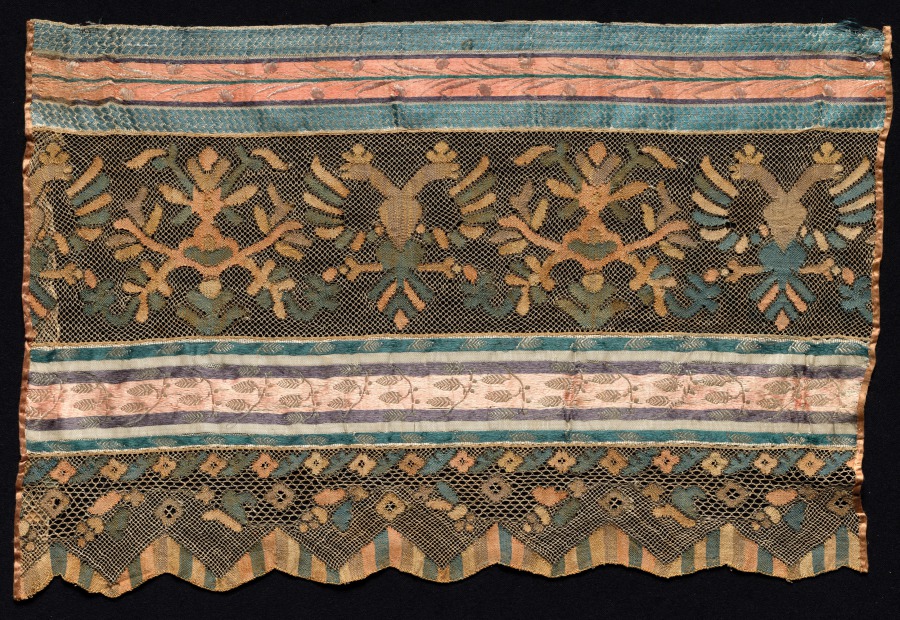
Lace Towel End at the Cleveland Museum of Art: 1700s–1800s, cotton or linen (est.) straight (continuous) bobbin lace; ground with interspersed motifs of plant and animal forms in plain weave outlined with metal thread; applied silk (est.) r
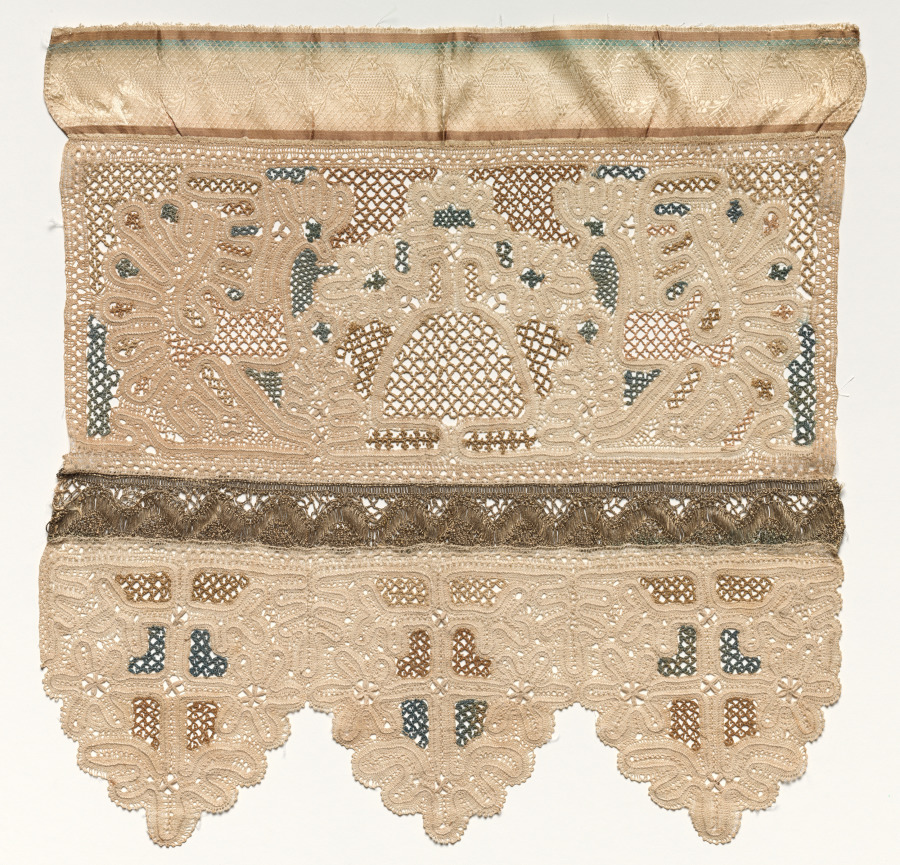
Lace Towel End at the Cleveland Museum of Art: c. 1700s–1800s, cotton or linen (est.); straight (continuous) bobbin lace (Vologda tape lace). The tape forms figural or plants motifs outlined with gimp (heavy cord) with a polychrome plaited
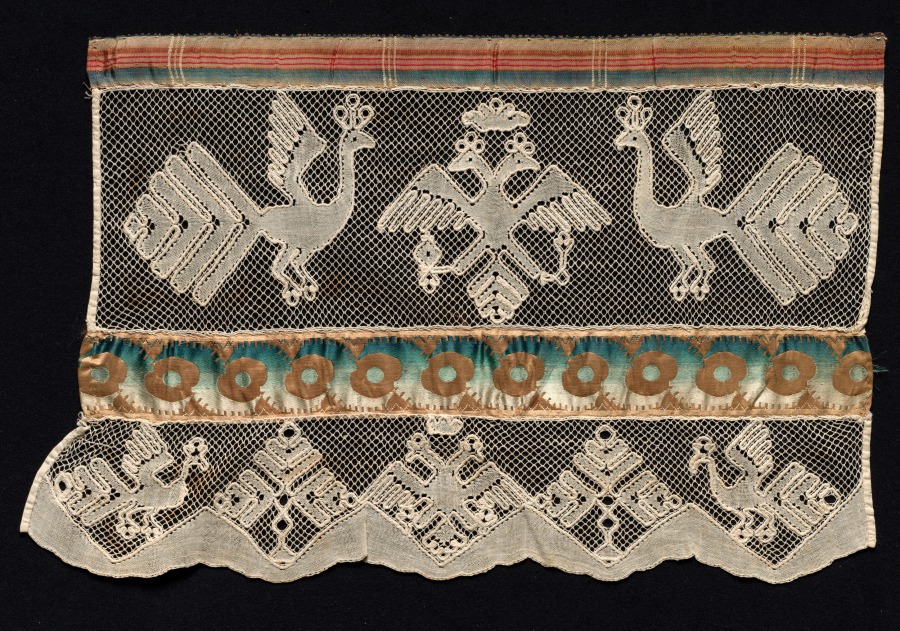
Lace Towel End at the Cleveland Museum of Art: c. 1700s–1800s, cotton or linen (est.) straight (continuous) bobbin lace; ground with interspersed motifs of plant and animal forms in plain weave outlined with gimp (heavy cord); applied silk
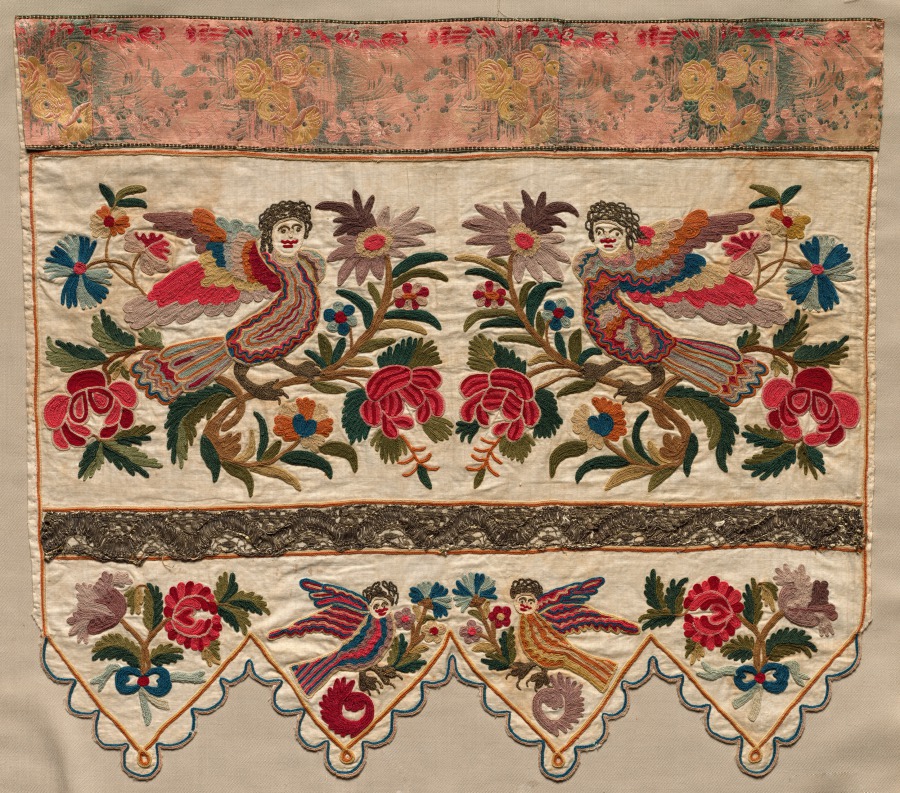
Towel End at the Cleveland Museum of Art: c 1700s- 1800s, plain weave linen (est.) with polychrome wool (est.) and metal thread chain stitch embroidery; applied silk (est.) ribbon and metal thread trim. Explore the work's context, creator a
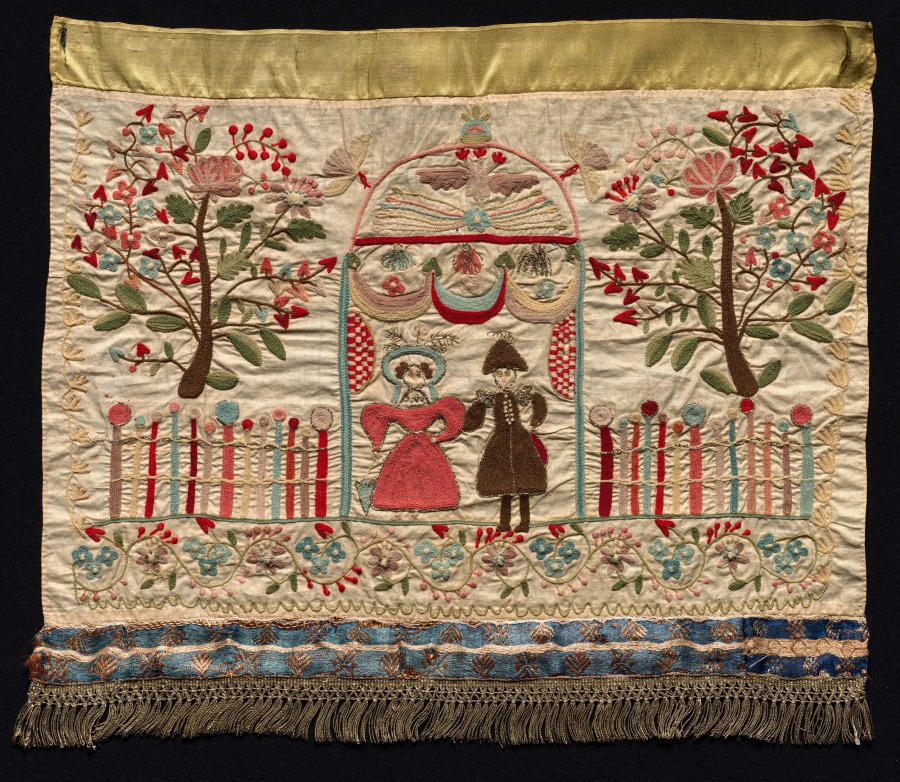
Towel End at the Cleveland Museum of Art: c. 1800–1825, Linen: plain weave ground; wool; metal thread: embroidery, chain stitch; silk: ribbon. Explore the work's context, creator attribution and collection history.
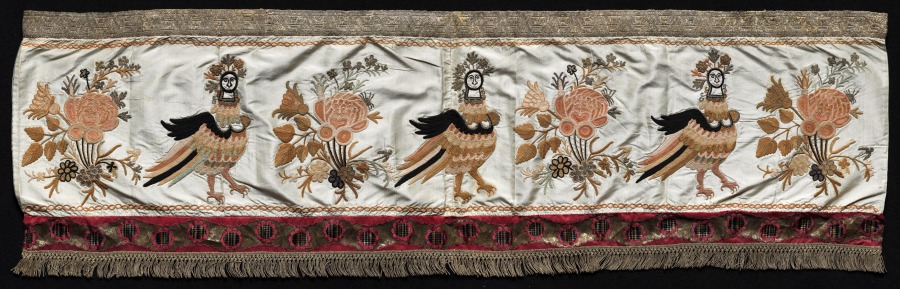
Border at the Cleveland Museum of Art: c 1800– 1825, plain weave silk (est.) ground with polychrome silk (est.) and metal thread chain stitch embroidery; applied silk (est.) ribbon and metal thread trims. Explore the work's context, creator
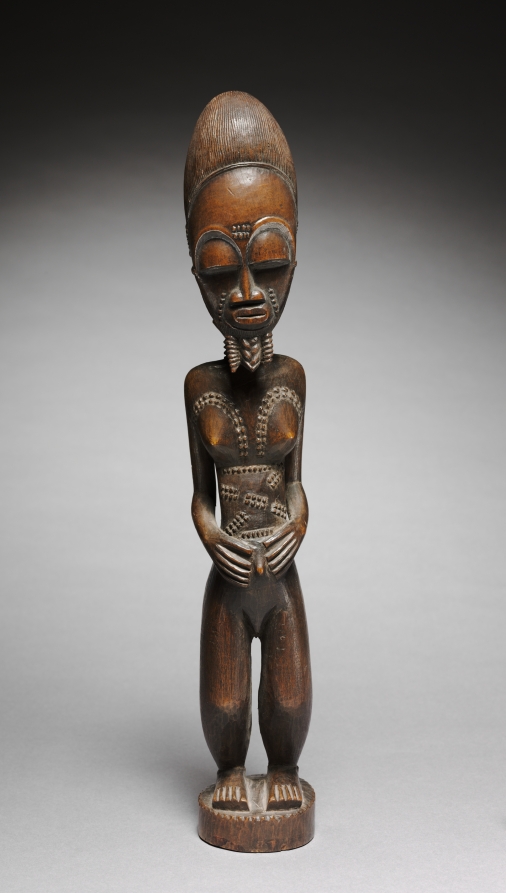
Male Figure at the Cleveland Museum of Art: by 1931, wood. Explore the work's context, creator attribution and collection history.
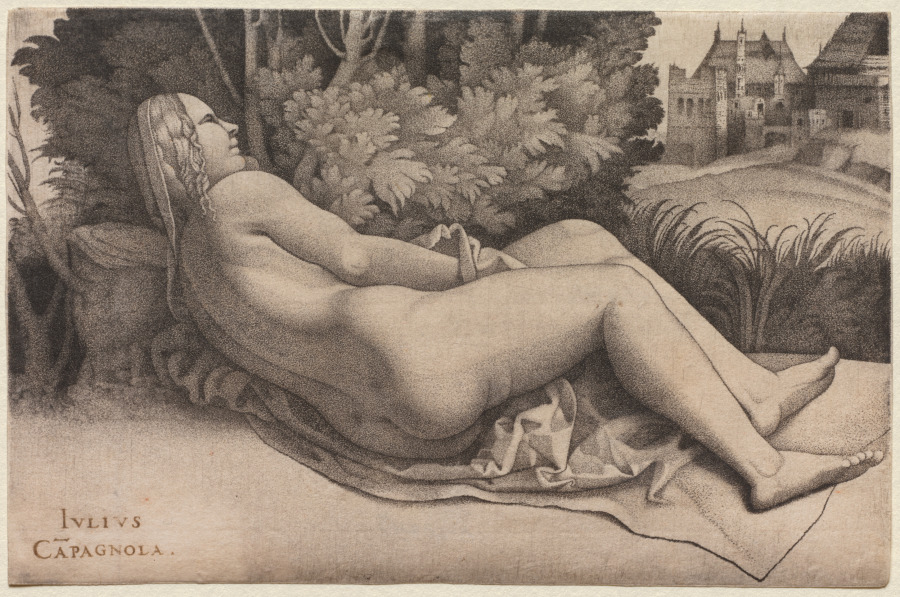
Venus Reclining in a Landscape at the Cleveland Museum of Art: c. 1508–9, engraving. Explore the work's context, creator attribution and collection history.

The Offering at the Cleveland Museum of Art: c. 1915, oil on canvas. Explore the work's context, creator attribution and collection history.

The Supper at Emmaus at the Cleveland Museum of Art: c. 1720, oil on canvas. Explore the work's context, creator attribution and collection history.

At the Window II at the Cleveland Museum of Art: c. 1923, lithograph. Explore the work's context, creator attribution and collection history.

Polychrome Oinochoe (Wine Jug): Deer and Lions (?) at the Cleveland Museum of Art: c. 600–575 BCE, ceramic. Explore the work's context, creator attribution and collection history.
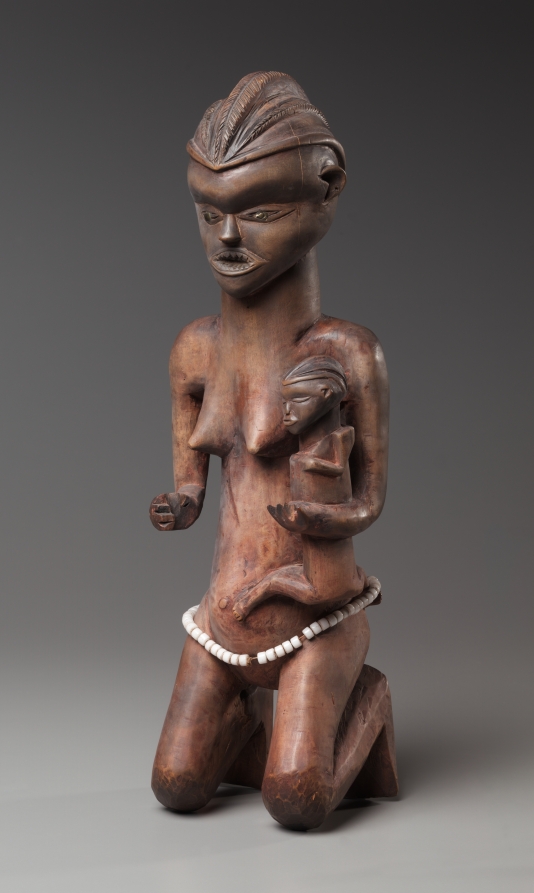
Mother-and-Child Figure at the Cleveland Museum of Art: late 1800s–early 1900s, Wood, glass beads, upholstery studs, natural fiber, and pigment. Explore the work's context, creator attribution and collection history.
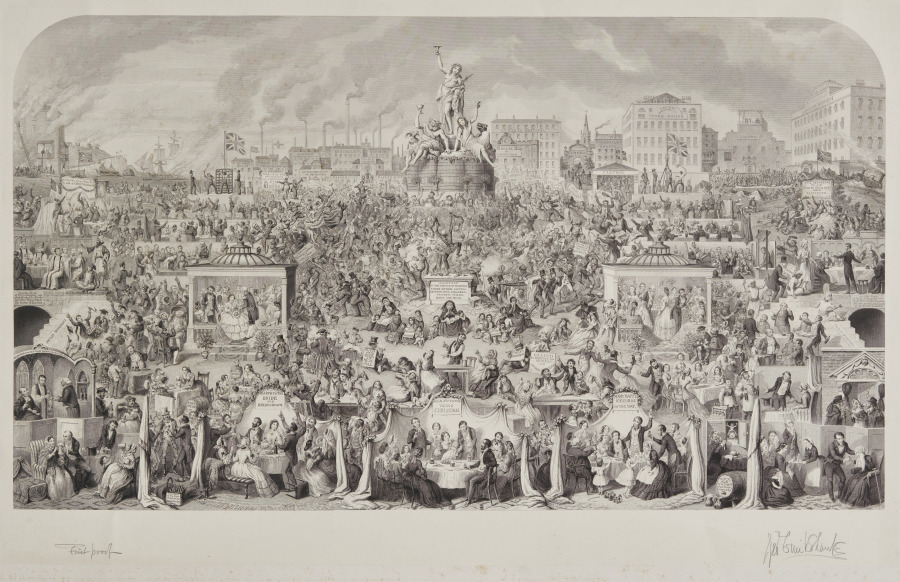
The Drinking Customs of Society or Worship of Bacchus at the Cleveland Museum of Art: 1864, steel engraving. Explore the work's context, creator attribution and collection history.
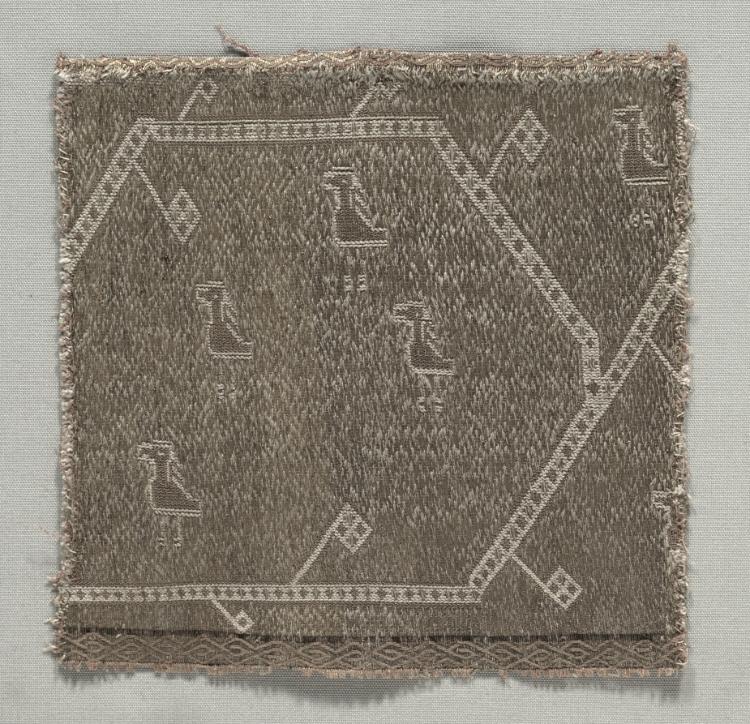
Fragment of a Chasuble Orphrey Cross Band at the Cleveland Museum of Art: 1000s, Silk and gold metallic thread: tablet weave. Explore the work's context, creator attribution and collection history.
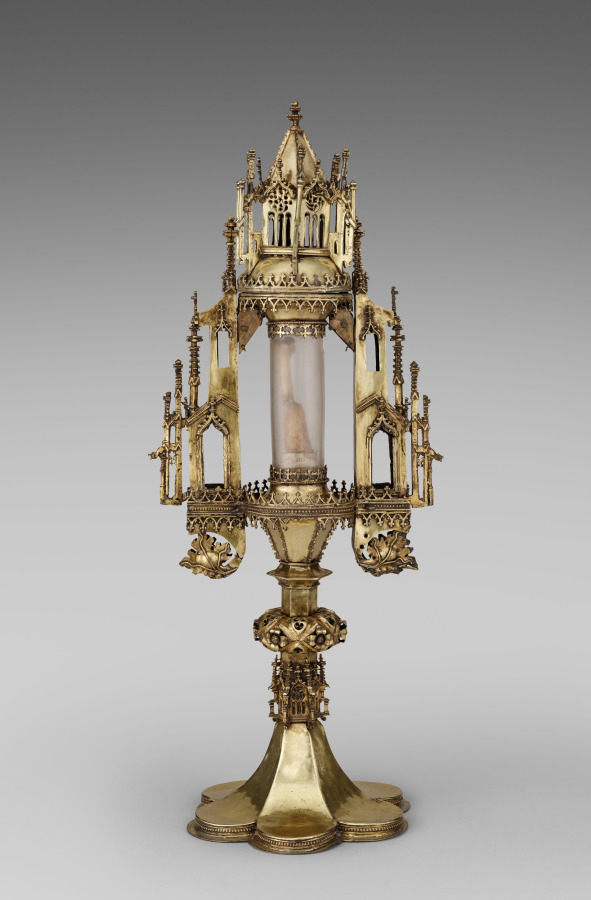
Monstrance with a Relic of Saint Sebastian at the Cleveland Museum of Art: 1484, gilded silver, rock crystal, bone, parchment. Explore the work's context, creator attribution and collection history.
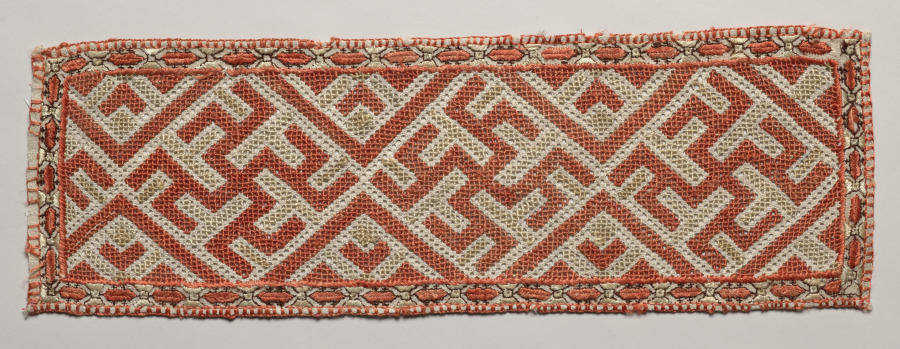
Panel at the Cleveland Museum of Art: c. 1780–1840, Linen: plain weave; silk: embroidery. Explore the work's context, creator attribution and collection history.
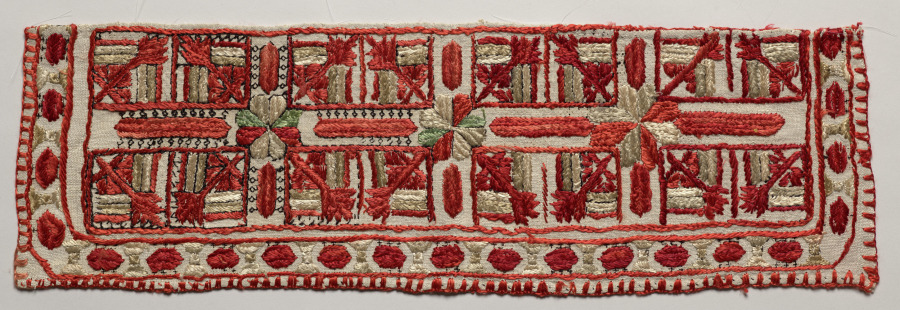
Panel at the Cleveland Museum of Art: c. 1780–1840, Linen: plain weave; silk; embroidery. Explore the work's context, creator attribution and collection history.
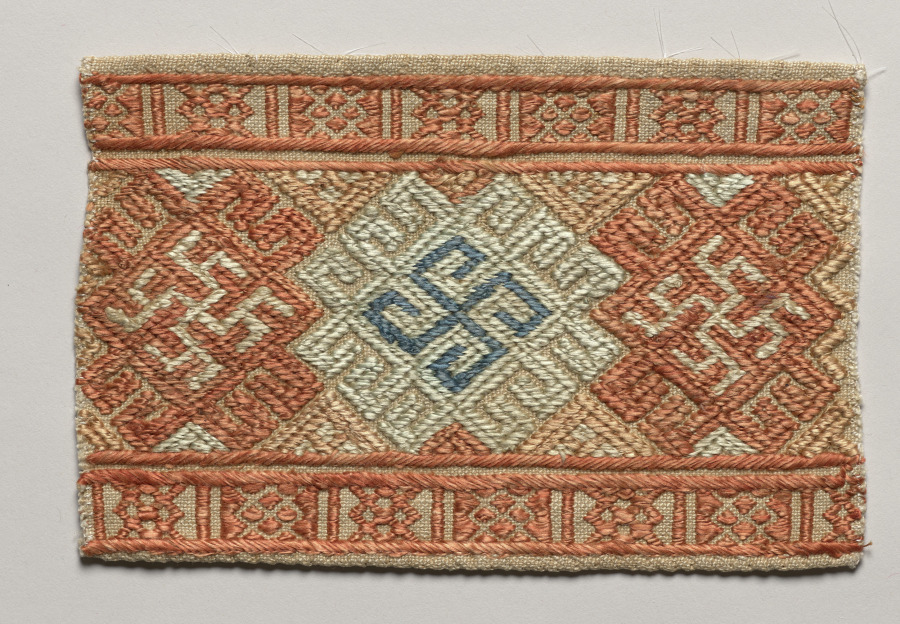
Panel for a Headdress at the Cleveland Museum of Art: 1700–1900, Linen: plain weave; silk: embroidery. Explore the work's context, creator attribution and collection history.
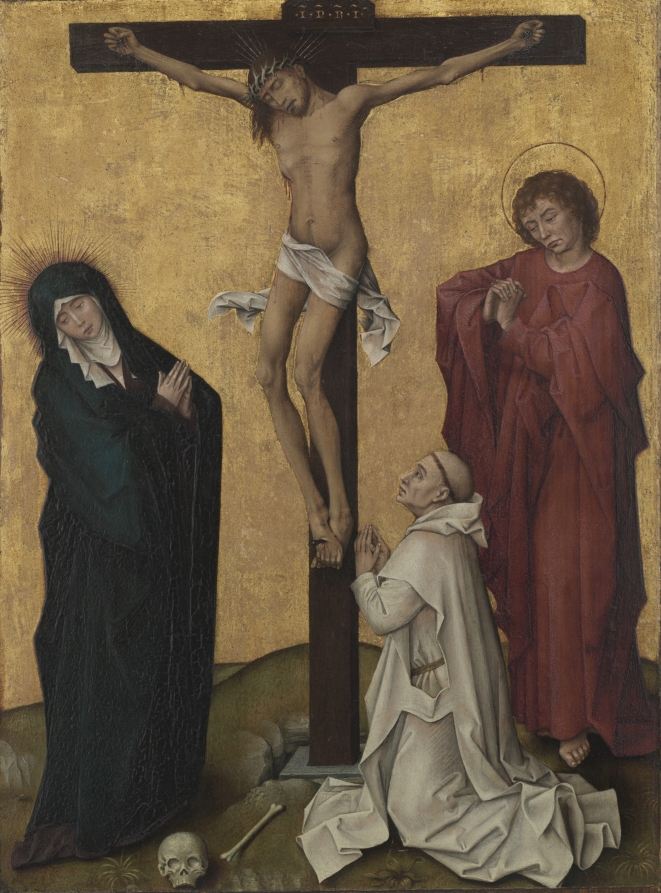
The Crucifixion with a Carthusian Monk at the Cleveland Museum of Art: 1460, oil and gold on wood. Explore the work's context, creator attribution and collection history.

Harpist at the Cleveland Museum of Art: mid-700s, glazed earthenware. Explore the work's context, creator attribution and collection history.
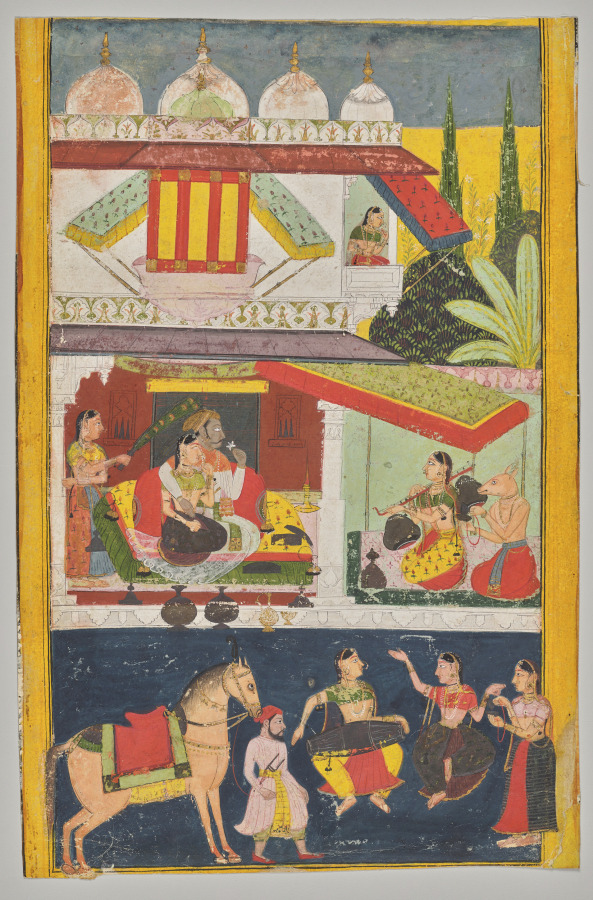
Shri Raga, from a Ragamala at the Cleveland Museum of Art: c. 1695, Gum tempera and gold on paper. Explore the work's context, creator attribution and collection history.
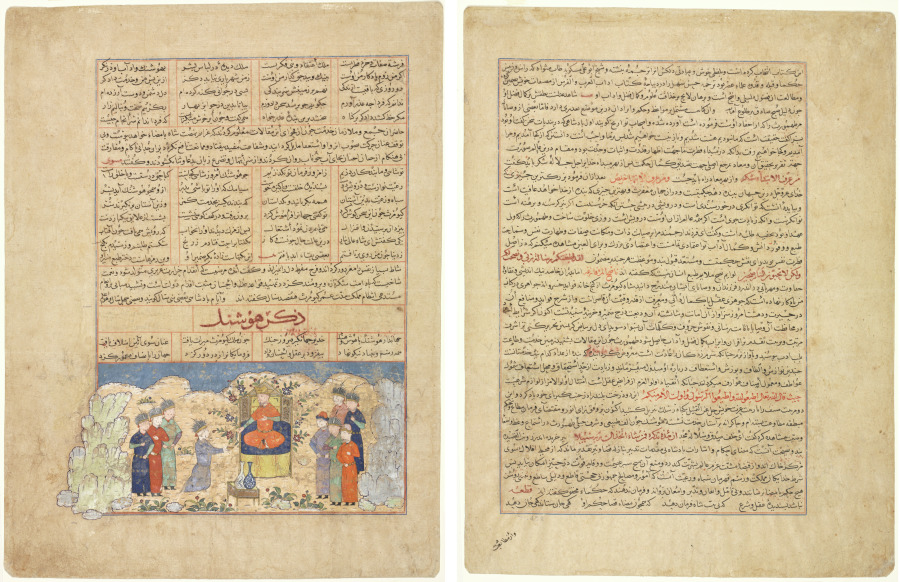
The Story of Hushang (recto), Illustration and text (Persian Prose) from Majmac al-Tavarikh (A Compendium of Histories) of Hafiz-i Abru; Text Page, Persian Prose, (verso), from Majmac al-Tavarikh (A Compendium of Histories) of Hafiz-i Abru
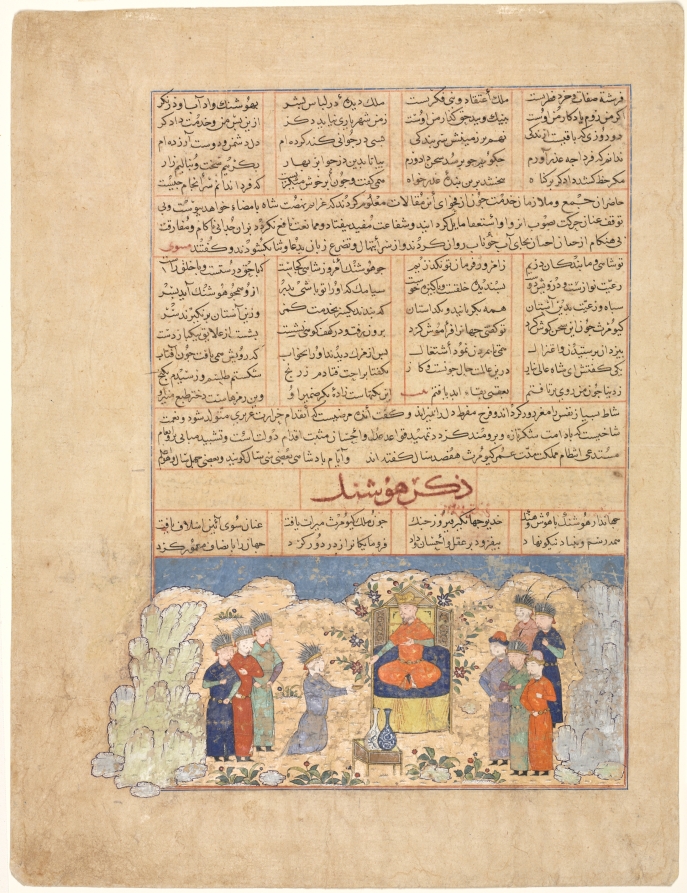
The Story of Hushang, from a Majma al-tavarikh (A Compendium of Histories) of Hafiz-i Abru (recto) at the Cleveland Museum of Art: 1425–50, opaque watercolor and ink on paper. Explore the work's context, creator attribution and collection h

Text Page, Persian Prose, (verso), from Majmac al-Tavarikh (A Compendium of Histories) of Hafiz-i Abru at the Cleveland Museum of Art: c. 1425, ink and opaque watercolor on paper. Explore the work's context, creator attribution and collecti
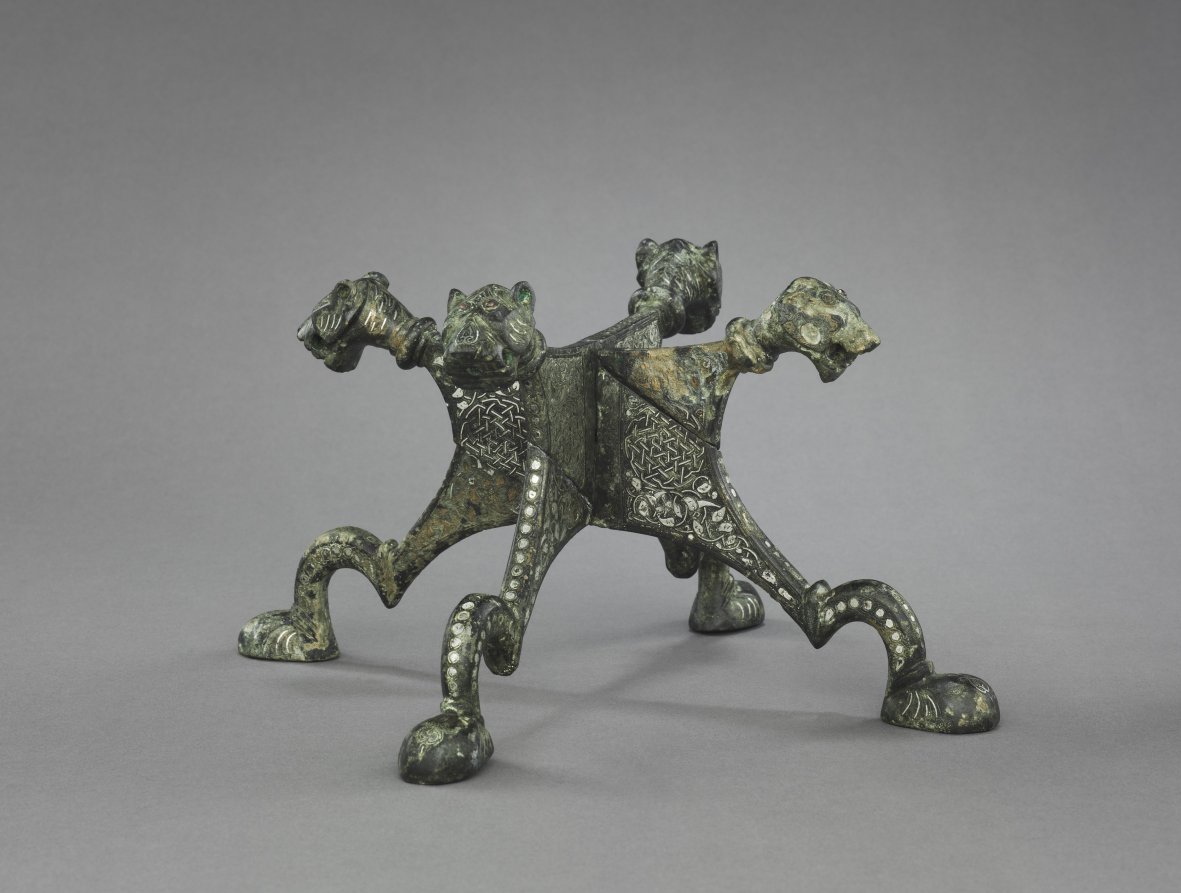
Lion-headed Stand at the Cleveland Museum of Art: 1150–1220, cast brass inlaid with silver. Explore the work's context, creator attribution and collection history.
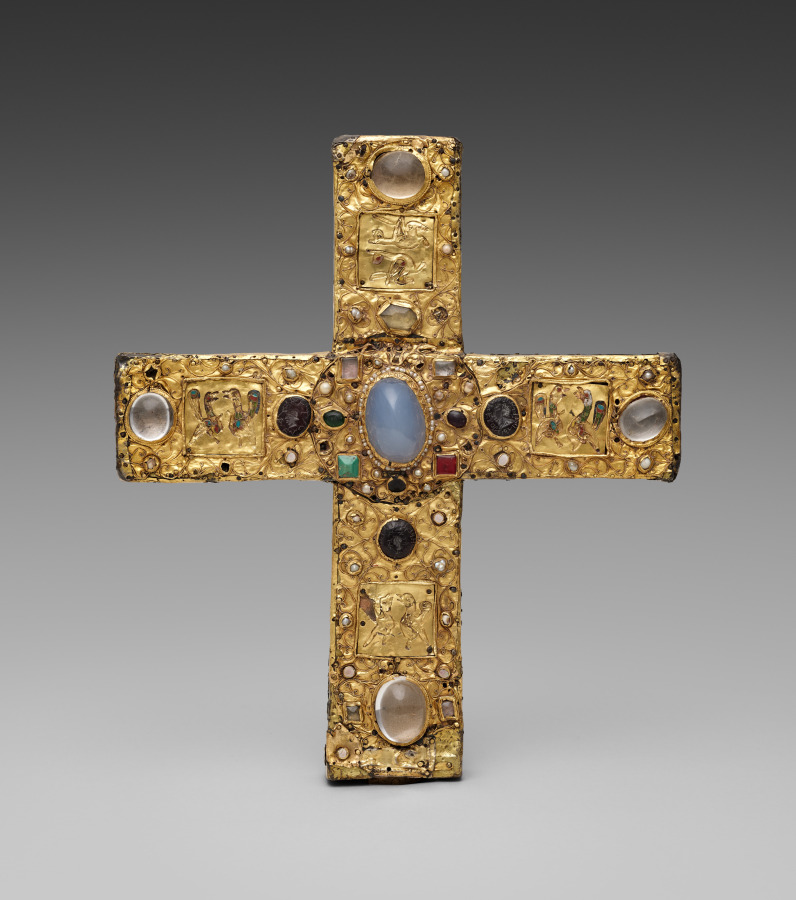
Ceremonial Cross of Count Liudolf at the Cleveland Museum of Art: shortly after 1038, gold: worked in repoussé; cloisonné enamel; intaglio gems; pearls; wood core. Explore the work's context, creator attribution and collection history.
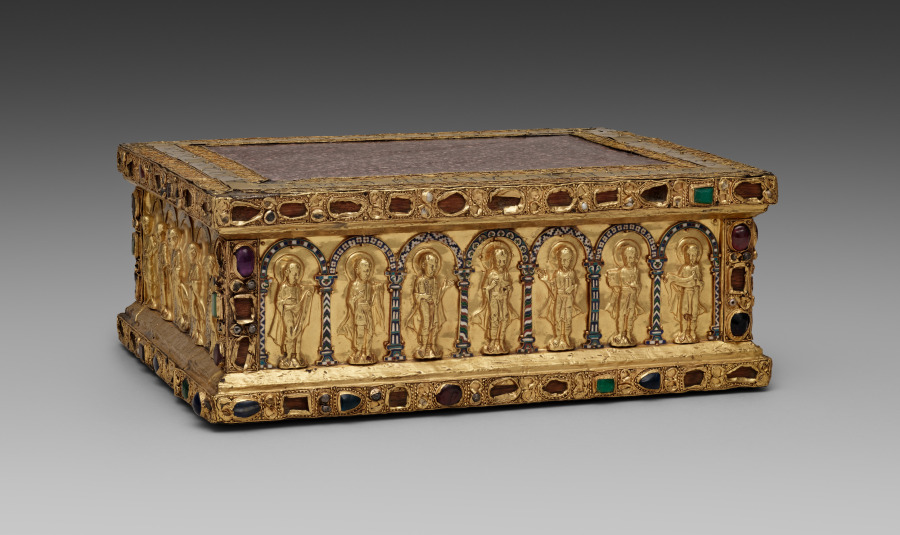
Portable Altar of Countess Gertrude at the Cleveland Museum of Art: c. 1045, gold, cloisonné enamel, porphyry, gems, pearls, niello, wood core. Explore the work's context, creator attribution and collection history.
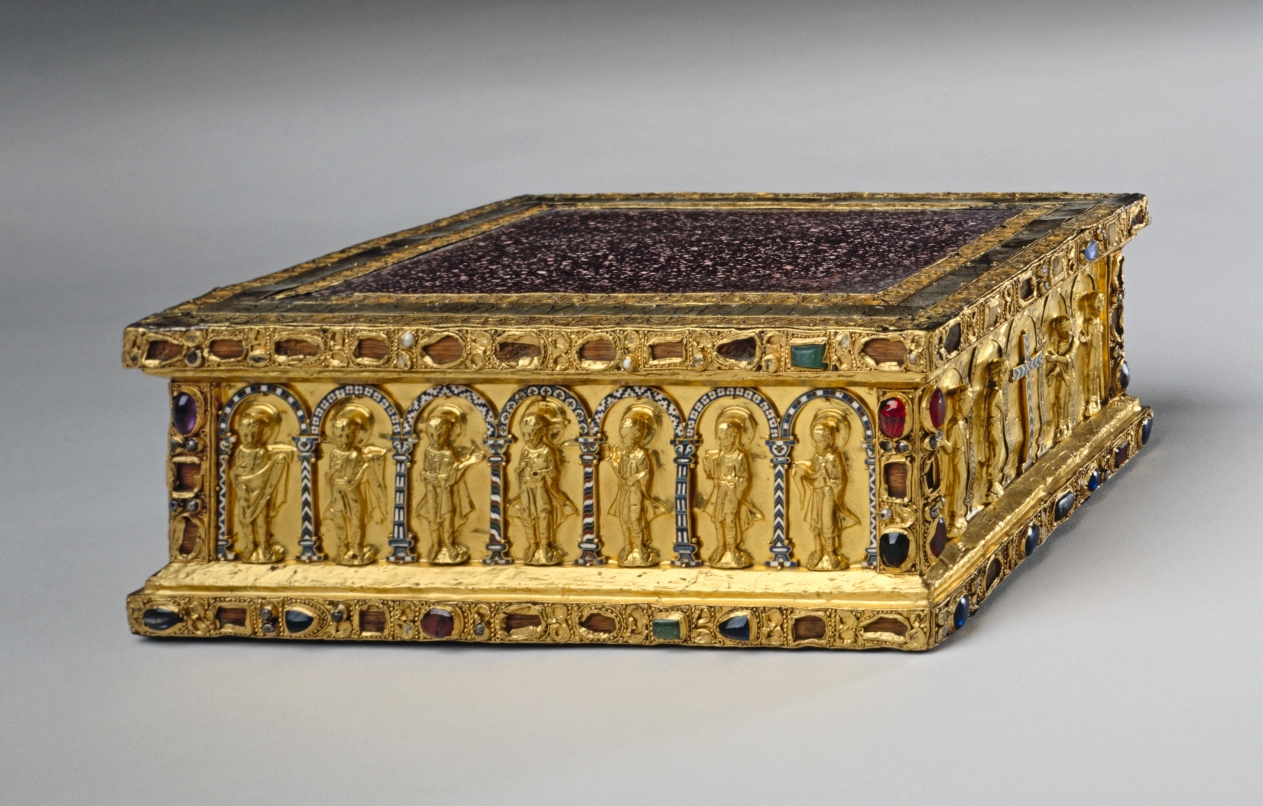
Portable Altar of Countess Gertrude at the Cleveland Museum of Art: shortly after 1038, gold, cloisonné enamel, porphyry, gems, pearls, niello, wood core. Explore the work's context, creator attribution and collection history.
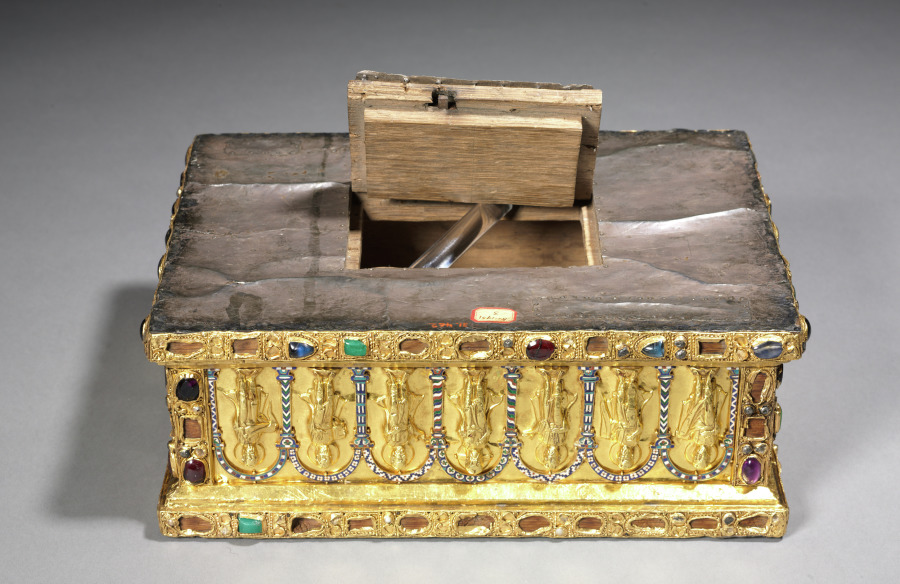
Trap door for the Portable Altar of Countess Gertrude at the Cleveland Museum of Art: c. 1045, Gold, cloisonné enamel, porphyry, gems, pearls, niello, wood core. Explore the work's context, creator attribution and collection history.
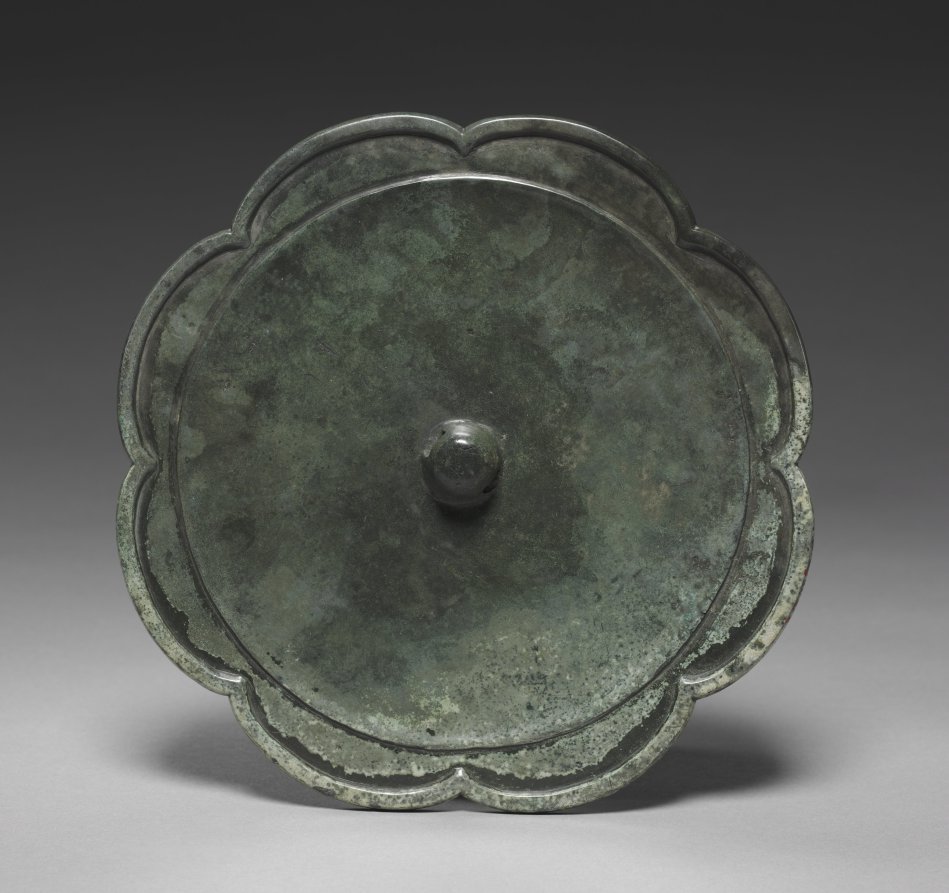
Flower-shaped Mirror at the Cleveland Museum of Art: 1100s, bronze. Explore the work's context, creator attribution and collection history.
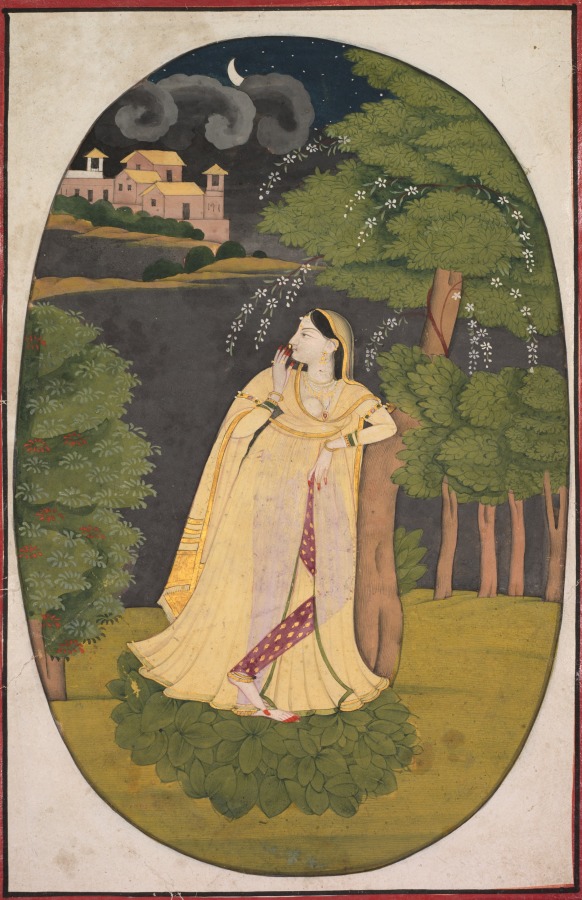
The heroine who waits anxiously for her absent lover (Utka Nayika) at the Cleveland Museum of Art: c. 1800, Gum tempera on paper. Explore the work's context, creator attribution and collection history.

Kalpa-sutra manuscript with 24 illuminations at the Cleveland Museum of Art: c. 1475–1500, Gum tempera, ink, and gold on paper. Explore the work's context, creator attribution and collection history.