Alejandra Pizarnik: Biography, Facts and Career
Who is Alejandra Pizarnik? An evergreen, sourced profile: biography, key facts and career.
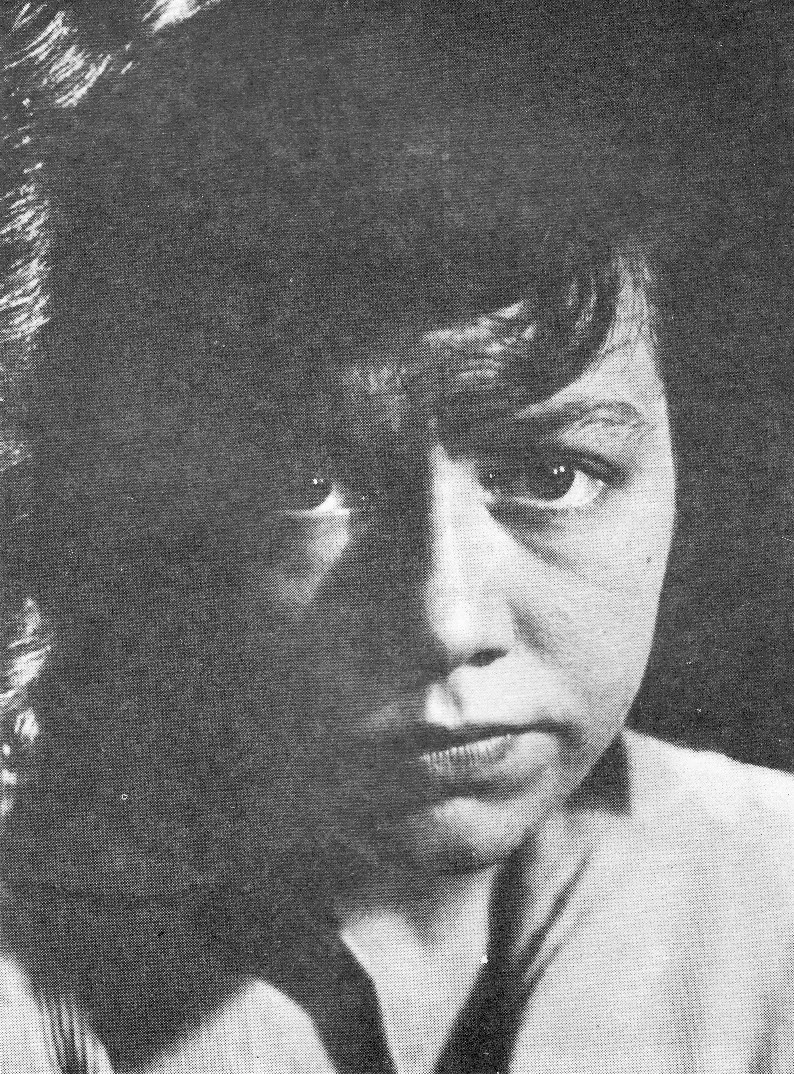
Flora Alejandra Pizarnik (29 April 1936 – 25 September 1972) was an Argentine poet. Her idiosyncratic and thematically introspective poetry has been considered "one of the most unusual bodies of work in Latin American literature", and has been recognized and celebrated for its fixation on "the limitation of language, silence, the body, night, the nature of intimacy, madness, [and] death". Pizarnik studied philosophy at the University of Buenos Aires and worked as a writer and a literary critic for several publishers and magazines. She lived in Paris between 1960 and 1964, where she translated authors such as Antonin Artaud, Henri Michaux, Aimé Césaire and Yves Bonnefoy. She also studied history of religion and French literature at the Sorbonne. Back in Buenos Aires, Pizarnik published three of her major works: Works and Nights, Extracting the Stone of Madness, and The Musical Hell as well as a prose work titled The Bloody Countess. In 1969 she received a Guggenheim Fellowship and later, in 1971, a Fulbright Fellowship. On 25 September 1972, she died by suicide after ingesting an overdose of secobarbital. Her work has influenced generations of authors in Latin America.
Quick facts about Alejandra Pizarnik
- Full name: Alejandra Pizarnik
- Born: 1936-04-29
- Nationality: Argentina
- Known as: Author
- Wikidata ID: Q272441
Profile compiled from public Wikipedia and Wikidata data. Details can change over time.
Frequently asked questions
Who is Alejandra Pizarnik?
Flora Alejandra Pizarnik (29 April 1936 – 25 September 1972) was an Argentine poet.
What nationality is Alejandra Pizarnik?
Alejandra Pizarnik is Argentina.
When was Alejandra Pizarnik born?
Alejandra Pizarnik was born on 1936-04-29.
Sources
More in Books & Authors
Keep reading