B. F. Skinner: Biography, Facts and Career
Who is B. F. Skinner? An evergreen, sourced profile: biography, key facts and career.
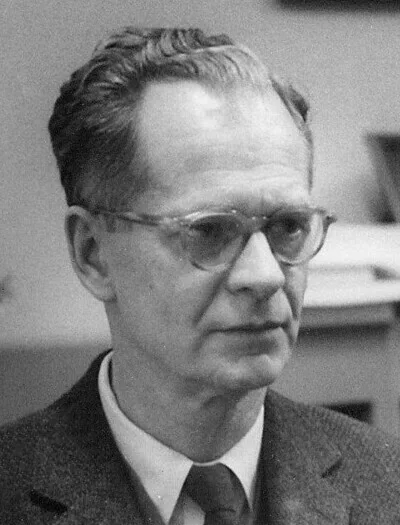
Burrhus Frederic Skinner (March 20, 1904 – August 18, 1990) was an American psychologist, behaviorist, inventor, and social philosopher. He was the Edgar Pierce Professor of Psychology at Harvard University from 1948 until his retirement in 1974. Skinner developed behavior analysis, especially the philosophy of radical behaviorism, and founded the experimental analysis of behavior, a school of experimental research psychology. He also used operant conditioning to strengthen behavior, considering the rate of response to be the most effective measure of response strength. To study operant conditioning, he invented the operant conditioning chamber (aka the Skinner box), and to measure rate he invented the cumulative recorder. Using these tools, he and Charles Ferster produced Skinner's most influential experimental work, outlined in their 1957 book Schedules of Reinforcement. Skinner was a prolific author, publishing 21 books and 180 articles. He imagined the application of his ideas to the design of a human community in his 1948 utopian novel, Walden Two, while his analysis of human behavior culminated in his 1958 work, Verbal Behavior. Skinner, John B. Watson, and Ivan Pavlov are considered to be the pioneers of modern behaviorism. A June 2002 survey listed Skinner as the most influential psychologist of the 20th century.
Quick facts about B. F. Skinner
- Full name: B. F. Skinner
- Born: 1904-03-20
- Nationality: United States
- Known as: Author
- Wikidata ID: Q213195
Profile compiled from public Wikipedia and Wikidata data. Details can change over time.
Frequently asked questions
Who is B. F. Skinner?
Burrhus Frederic Skinner (March 20, 1904 – August 18, 1990) was an American psychologist, behaviorist, inventor, and social philosopher.
What nationality is B. F. Skinner?
B. F. Skinner is United States.
When was B. F. Skinner born?
B. F. Skinner was born on 1904-03-20.
Sources
More in Books & Authors
Keep reading