Dionysios Solomos: Biography, Facts and Career
Who is Dionysios Solomos? An evergreen, sourced profile: biography, key facts and career.
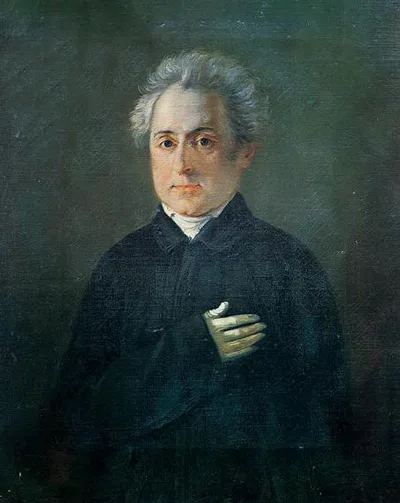
Dionysios Solomos (; Greek: Διονύσιος Σολωμός [ði.oˈnisios soloˈmos]; 8 April 1798 – 9 February 1857) was a Greek poet from Zakynthos, who is considered to be Greece's national poet. He is best known for writing the Hymn to Liberty (Greek: Ὕμνος εἰς τὴν Ἐλευθερίαν, Ýmnos eis tīn Eleutherían), which was set to music by Nikolaos Mantzaros and became the Greek and Cypriot national anthem in 1865 and 1966 respectively. He was the central figure of the Heptanese School of poetry. He is considered the national poet of Greece, not only because he wrote the national anthem, but also because he contributed to the preservation of earlier poetic tradition and highlighted its usefulness to modern literature. Other notable poems include Ὁ Κρητικός (The Cretan), Ἐλεύθεροι Πολιορκημένοι (The Free Besieged). A characteristic of his work is that no poem except the Hymn to Liberty was completed, and almost nothing was published during his lifetime.
Quick facts about Dionysios Solomos
- Full name: Dionysios Solomos
- Born: 1798-04-08
- Nationality: Greece
- Known as: Author
- Wikidata ID: Q166172
Profile compiled from public Wikipedia and Wikidata data. Details can change over time.
Frequently asked questions
Who is Dionysios Solomos?
Dionysios Solomos (; Greek: Διονύσιος Σολωμός [ði.oˈnisios soloˈmos]; 8 April 1798 – 9 February 1857) was a Greek poet from Zakynthos, who is considered to be Greece's national poet.
What nationality is Dionysios Solomos?
Dionysios Solomos is Greece.
When was Dionysios Solomos born?
Dionysios Solomos was born on 1798-04-08.
Sources
More in Books & Authors
Keep reading