Duns Scotus: Biography, Facts and Career
Who is Duns Scotus? An evergreen, sourced profile: biography, key facts and career.
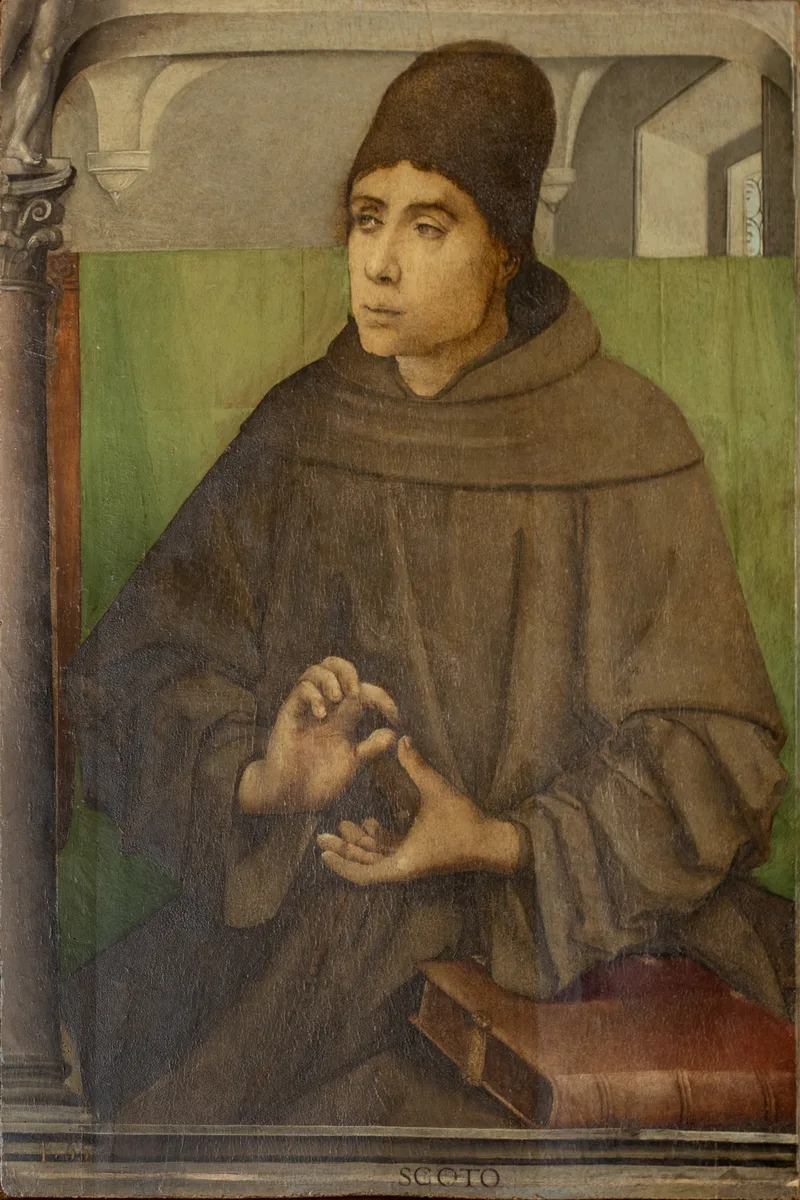
John Duns Scotus ( dunz SKOH-təs; Ecclesiastical Latin: [duns ˈskɔtus], "Duns the Scot"; c. 1265/66 – 8 November 1308) was a Scottish Catholic priest and Franciscan friar, university professor, philosopher and theologian. He is considered among the most important philosopher-theologians in Western Christendom during the last part of the medieval period, together with Thomas Aquinas, Bonaventure and William of Ockham. Duns Scotus has had considerable influence on both Catholic and secular thought. The doctrines for which he is best known are the "univocity of being", that existence is the most abstract concept we have, applicable to everything that exists; the formal distinction, a way of distinguishing between different formalities of the same thing; and the idea of haecceity, the property supposed to be in each individual thing that makes it an individual (i.e. a certain "thisness"). Duns Scotus also developed a complex argument for the existence of God, and argued for the Immaculate Conception of Mary. The intellectual tradition derived from Scotus' work is called Scotism. Duns Scotus was given the scholastic accolade Doctor Subtilis ("the subtle doctor") for his penetrating and subtle manner of thought. He was beatified by Pope John Paul II in 1993.
Quick facts about Duns Scotus
- Full name: Duns Scotus
- Born: 1266-01-01
- Nationality: Kingdom of Scotland
- Known as: Author
- Wikidata ID: Q190089
Profile compiled from public Wikipedia and Wikidata data. Details can change over time.
Frequently asked questions
Who is Duns Scotus?
John Duns Scotus ( dunz SKOH-təs; Ecclesiastical Latin: [duns ˈskɔtus], "Duns the Scot"; c. 1265/66 – 8 November 1308) was a Scottish Catholic priest and Franciscan friar, university professor, philosopher and theologian.
What nationality is Duns Scotus?
Duns Scotus is Kingdom of Scotland.
When was Duns Scotus born?
Duns Scotus was born on 1266-01-01.
Sources
More in Books & Authors
Keep reading