Edward Gibbon Wakefield: Biography, Facts and Career
Who is Edward Gibbon Wakefield? An evergreen, sourced profile: biography, key facts and career.
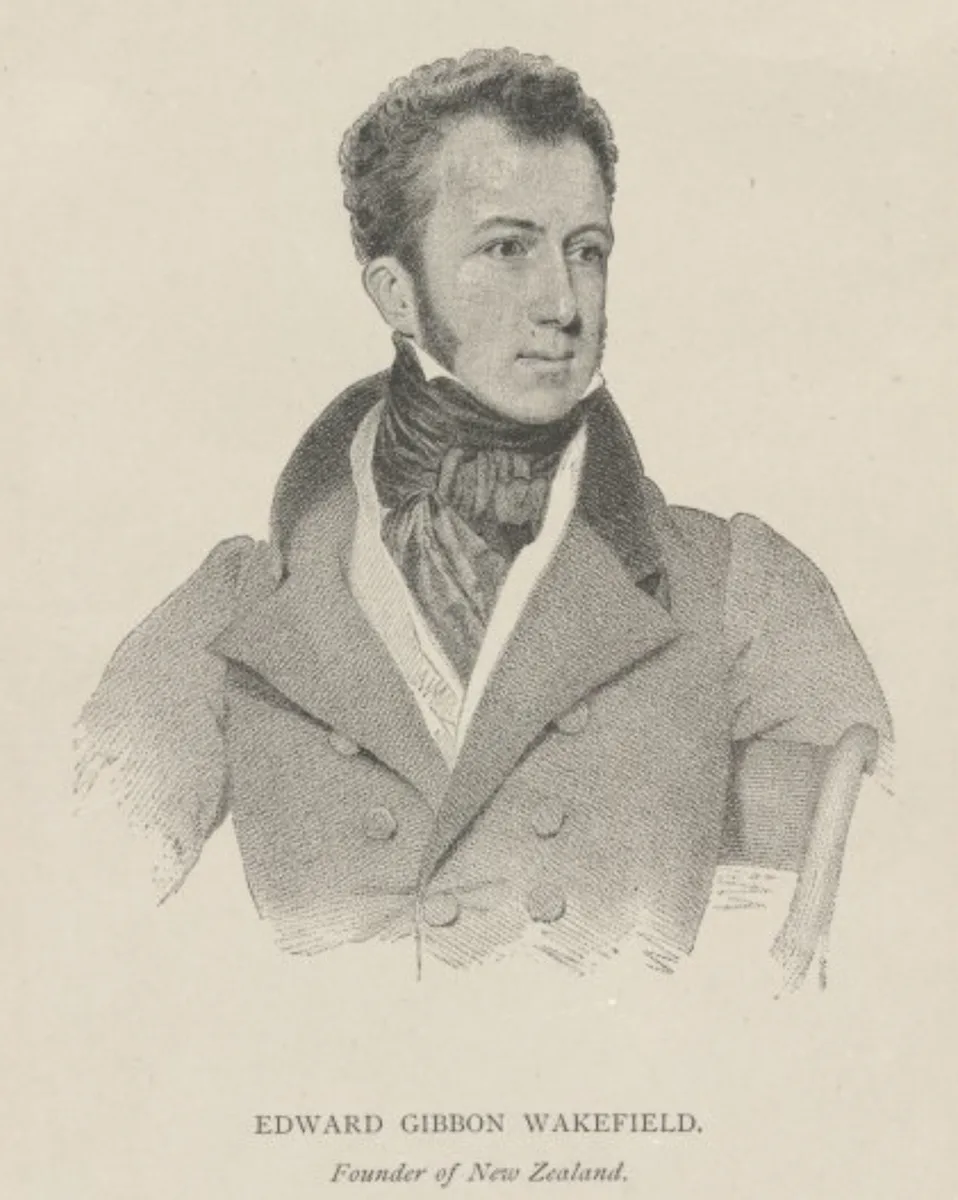
Edward Gibbon Wakefield (20 March 1796 – 16 May 1862) was an English politician in colonial Canada and New Zealand. He is considered a key figure in the establishment in the 1830s, 1840s and 1850s of British colonies in Australia and New Zealand (where he later served as a member of parliament). He also played a role in the history of Canada, being involved in the drafting of Lord Durham's Report and serving as a member of the Parliament of the Province of Canada for a short time. He was best known for his colonisation scheme, sometimes referred to as the Wakefield scheme or the Wakefield system, which aimed to populate the new colony of South Australia with a workable combination of labourers, tradespeople, artisans and capital. The scheme was to be financed by the sale of land to the capitalists who would thereby support the other classes of emigrants. Despite being found guilty and imprisoned in 1827 for kidnapping a fifteen-year-old girl, he enjoyed a lengthy career in colonial governments and colonial policy.
Quick facts about Edward Gibbon Wakefield
- Full name: Edward Gibbon Wakefield
- Born: 1796-03-20
- Nationality: United Kingdom of Great Britain and Ireland
- Known as: Author
- Wikidata ID: Q255492
Profile compiled from public Wikipedia and Wikidata data. Details can change over time.
Frequently asked questions
Who is Edward Gibbon Wakefield?
Edward Gibbon Wakefield (20 March 1796 – 16 May 1862) was an English politician in colonial Canada and New Zealand.
What nationality is Edward Gibbon Wakefield?
Edward Gibbon Wakefield is United Kingdom of Great Britain and Ireland.
When was Edward Gibbon Wakefield born?
Edward Gibbon Wakefield was born on 1796-03-20.
Sources
More in Books & Authors
Keep reading